Memphis hopes its coordinated action plan on blight can be a model for cities nationwide.


In May, community institutions in Memphis will host a two-day intensive "academy" on strategies to reduce blight for housing and code enforcement officials from around the country. The summit will share progress made since city leaders and organizations adopted a Blight Elimination Charter—the first in the nation—in 2016.
"At least 9,500 single-family houses, 4,500 apartment units, and thousands of vacant lots in the city are blighted," writes Urban Institute fellow Joseph Schilling in How Housing Matters. The city's action plan centers on bringing these properties up to code, and is organized around four basic principles: data and information, community partnerships, code enforcement, and a "reclamation, reuse, and revitalization" approach.
One product of the plan to date is the Memphis Property Hub, an inventory of blighted properties in the city that includes data from multiple public sources on the properties' location, ownership, and economic impact. In 2015, Memphis launched a program that offers credits to residents for maintaining vacant properties, which can be applied to their purchase.
Read the full story: Memphis Expands Its Coordinated Campaign Against Blight

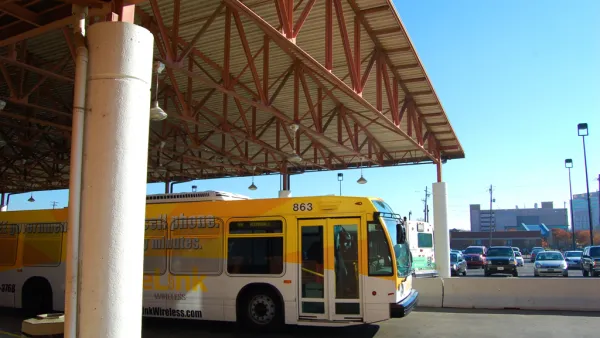
Memphis Vehicle Fee Would Help Fund Transit
The proposed fee on households with multiple vehicles would generate $9 million to improve the region’s transit system.
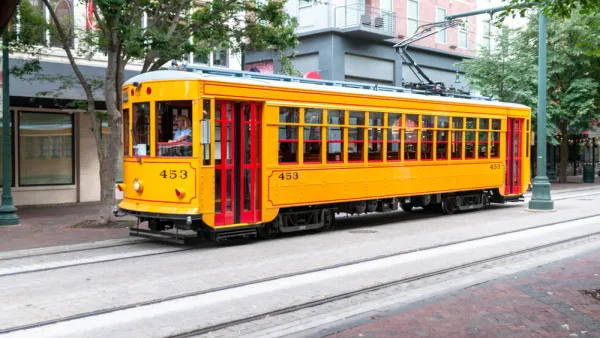
Multi-Car Owners May Pay Sustainability Fee to Fund Memphis Area Transit
Called a 'sustainability fee' by Mayor Lee Harris of Shelby County, the proposed fee would apply only to households that have three or more registered vehicles, about 17 percent of county residents. The first two vehicles would be exempt.
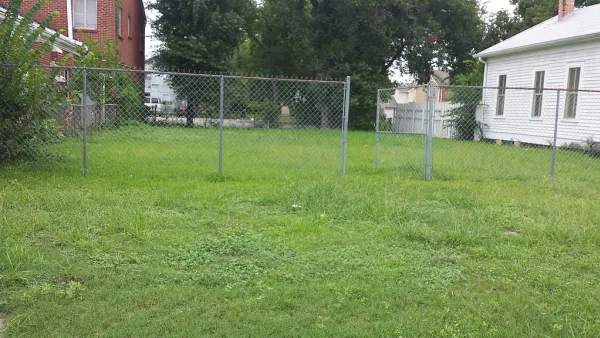
Memphis Tells Residents: If You Mow It You Can Own It
Residents who put in the effort of maintaining vacant property will have their hard work rewarded and will be offered the opportunity to purchase the property.

Planetizen Federal Action Tracker
A weekly monitor of how Trump’s orders and actions are impacting planners and planning in America.

Amtrak, CN end decades-long dispute with eight-year agreement
The new operating agreement establishes an updated framework for the companies to work together, including processes to resolve disputes.

Judges permit Denver to divert 77,000 acre feet from the Colorado River for reservoir expansion
Overuse and climate change have caused the Colorado River’s water levels to plummet.

NYC DOT wants faster, more permanent street upgrades
The city is examining ways to build more concrete infrastructure without getting entangled in 'decades-long' projects.

'Something we’ve never seen before:' rising utility rates could strain city finances nationwide
Data centers, climate change and other factors have caused utility rates in the United States to increase by 38% since 2020.

Trump to overrule local leaders, lease millions of acres of America’s Pacific Island territories’ seafloors to mining companies
International law says that the Indigenous people of America’s territories have a right to prior and informed consent regarding projects that impact their countries.

FREE Course: Walkable City 1: Why Walkability?
After describing his path towards focusing on walkability as the essence of good planning, Jeff Speck marches through his five principal reasons for making more walkable places.
Reinventing Malls: Planning Alchemy—Turning Gray Fields Into Gold
The course focuses on the opportunities and imperatives that shape reinvention of mall sites.

Harvard University Graduate School of Design
KFH Group Inc.
Greater Baltimore Committee
The Architects Foundation
University of Cincinnati Online
The Pocatello Development Authority
The Urban Renewal Agency of the City of Pocatello