Columbus Underground takes a look back at the year that was in the real of real estate development.


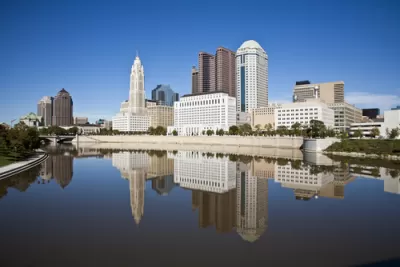
"Columbus saw an average of 1.25 significant new development proposals per week throughout 2016, bringing a flood of new concepts in front of neighborhood commissions and review boards," reports Brent Warren.
The article offers a thorough survey of the many development projects proposed in Columbus during 2016. The survey is organized by geographic area, with links and descriptions of development proposals in Downtown, the University District, Weinland Park, Franklinton, and more.
Columbus Underground coverage of the changes occurring in Columbus includes similar surveys of projects under construction and projects completed in 2016. The progress on so many development projects echoes the sentiments about growth shared by Planning Administrator Kevin Wheeler in an interview with Planetizen in March 2016.
Read the full story: 65 Urban Development Projects Announced in 2016

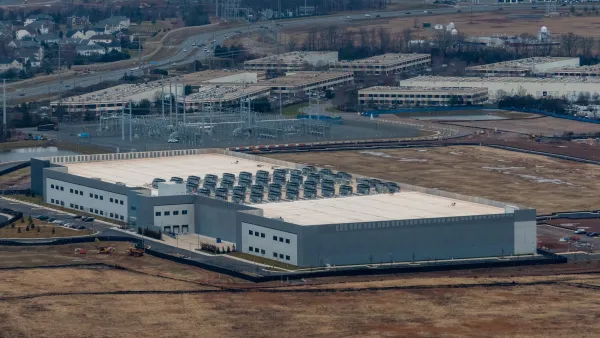
Data center developer offers over $4M per acre to buy out homeowners
Data center builders are outbidding home builders for land, prompting concerns about competition with housing.
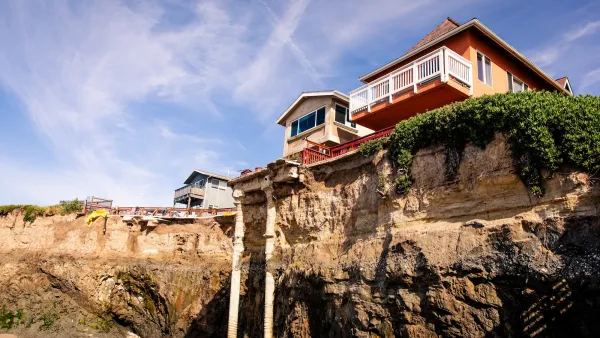
Zillow Deleted Climate Risk From California Listings. This Climate Expert Wants to Bring it Back.
While difficult to estimate for individual homes, experts argue that home buyers should have access to data about flood and wildfire risk, extreme heat, and other climate hazards in the area.
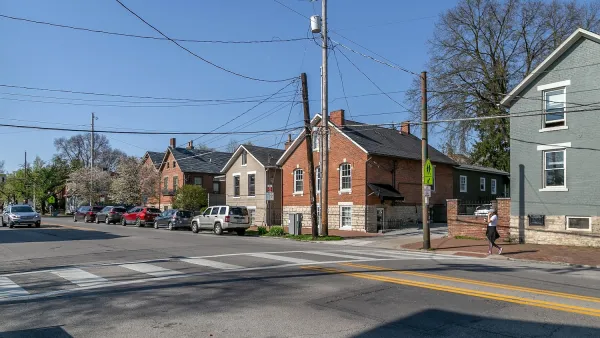
Columbus Introduces New Rules Allowing ADUs in all Residential Districts
The city’s recent zoning code updates include new rules for secondary housing units.

Planetizen Federal Action Tracker
A weekly monitor of how Trump’s orders and actions are impacting planners and planning in America.

Amtrak, CN end decades-long dispute with eight-year agreement
The new operating agreement establishes an updated framework for the companies to work together, including processes to resolve disputes.

Judges permit Denver to divert 77,000 acre feet from the Colorado River for reservoir expansion
Overuse and climate change have caused the Colorado River’s water levels to plummet.

NYC DOT wants faster, more permanent street upgrades
The city is examining ways to build more concrete infrastructure without getting entangled in 'decades-long' projects.

'Something we’ve never seen before:' rising utility rates could strain city finances nationwide
Data centers, climate change and other factors have caused utility rates in the United States to increase by 38% since 2020.

Trump to overrule local leaders, lease millions of acres of America’s Pacific Island territories’ seafloors to mining companies
International law says that the Indigenous people of America’s territories have a right to prior and informed consent regarding projects that impact their countries.

FREE Course: Walkable City 1: Why Walkability?
After describing his path towards focusing on walkability as the essence of good planning, Jeff Speck marches through his five principal reasons for making more walkable places.
Reinventing Malls: Planning Alchemy—Turning Gray Fields Into Gold
The course focuses on the opportunities and imperatives that shape reinvention of mall sites.

Harvard University Graduate School of Design
KFH Group Inc.
Greater Baltimore Committee
The Architects Foundation
University of Cincinnati Online
The Pocatello Development Authority
The Urban Renewal Agency of the City of Pocatello