A new mapping tool shows the potential devastation along the Rhode Island coast caused by rising waters from climate change and storm surges.


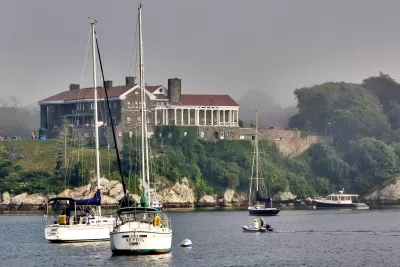
Researchers at the University of Rhode Island and the Rhode Island Coastal Resources Management Council have developed a new mapping tool that models potential flooding damage from rising seas and the storm surge from potentially deadly hurricanes. Alex Kuffner of the Providence Journal writes that the new mapping tool known as CERI (short for Coastal Environmental Risk Index)combines Google Earth data along with a pre-existing mapping software knows as StormTools to give users a predictive model of what would happen in different scenarios, including a strike by a 100 year storm. The tool further combines data about existing housing along the coast with estimates of damage from the Army Corps of Engineers.
The maps incorporate information on housing structures from Rhode Island’s E-911 emergency response database, which not only pinpoints houses using satellite information but also divides them into general categories: with basement or without, elevated or not, one story or two, and so on.
The results of the simulations from CERI are impacting how towns along the coast plan ahead for potentially damaging flooding. The director of planning for Warwick, RI says that the data could influence how emergency response is managed and the requirement for height of future homes above grade.
Read the full story: Rising seas, rising stakes: R.I. researchers project future flooding

Providence Could Ban New Gas Stations
The city could prohibit the construction of new fueling stations within city limits to discourage driving and pave the way for more renewable transportation infrastructure.
New Tool Aims to Make Parks More Resilient to Climate Change
The interactive mapping platform helps park managers understand the risks in their area and create long-term resilience plans.
Transitioning from Climate Justice Planning to Climate Justice Action
The Providence Climate Justice Plan offers an exemplary approach to prioritizing the communities and neighborhoods most impacted by the environmental effects of development and industrial pollution.

Planetizen Federal Action Tracker
A weekly monitor of how Trump’s orders and actions are impacting planners and planning in America.

Amtrak, CN end decades-long dispute with eight-year agreement
The new operating agreement establishes an updated framework for the companies to work together, including processes to resolve disputes.

Judges permit Denver to divert 77,000 acre feet from the Colorado River for reservoir expansion
Overuse and climate change have caused the Colorado River’s water levels to plummet.

NYC DOT wants faster, more permanent street upgrades
The city is examining ways to build more concrete infrastructure without getting entangled in 'decades-long' projects.

'Something we’ve never seen before:' rising utility rates could strain city finances nationwide
Data centers, climate change and other factors have caused utility rates in the United States to increase by 38% since 2020.

Trump to overrule local leaders, lease millions of acres of America’s Pacific Island territories’ seafloors to mining companies
International law says that the Indigenous people of America’s territories have a right to prior and informed consent regarding projects that impact their countries.

FREE Course: Walkable City 1: Why Walkability?
After describing his path towards focusing on walkability as the essence of good planning, Jeff Speck marches through his five principal reasons for making more walkable places.
Reinventing Malls: Planning Alchemy—Turning Gray Fields Into Gold
The course focuses on the opportunities and imperatives that shape reinvention of mall sites.

Harvard University Graduate School of Design
KFH Group Inc.
Greater Baltimore Committee
The Architects Foundation
University of Cincinnati Online
The Pocatello Development Authority
The Urban Renewal Agency of the City of Pocatello