A new report from the Nature Conservancy provides evidence of trees as a crucial component of public-health infrastructure.


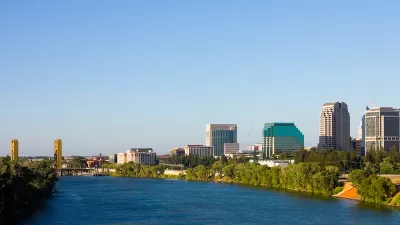
Brad Plumer shares news of a new report from the Nature Conservancy, which argues for a well-planned tree campaign as one of the "smartest investments a hot, polluted city can make."
The new study joins a growing body of research onto the life-saving value of trees in the built environment, aggregating the findings of all that recent study to scale up the thinking about urban forestry in the era of climate change. Plumer explains:
At the high end, a massive new tree-planting campaign in the world’s 245 largest cities, costing around $3.2 billion in all, could save between 11,000 and 36,000 lives per year worldwide from lower pollution. Those trees would also prevent between 200 and 700 heat-wave deaths per year — with that number presumably going up over time as global warming unfolds.
The catch is that trees must be planted strategically and scientifically to achieve maximum benefit. Plumer also details some of the study's findings in that regard.
Read the full story: Why planting more trees is one of the best things a hot, polluted city can do
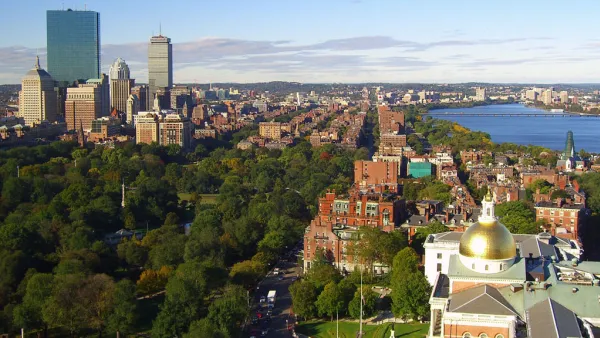
Boston Launches a 20-Year Urban Forestry Plan
The forthcoming Boston Urban Forestry Plan is expected to support communities that have been disproportionately exposed to environmental stressors.
The Problem with Tree Planting Programs
Ambitious campaigns to plant trees in urban areas often don't take into account the complexities of growing and maintaining effective urban forests.
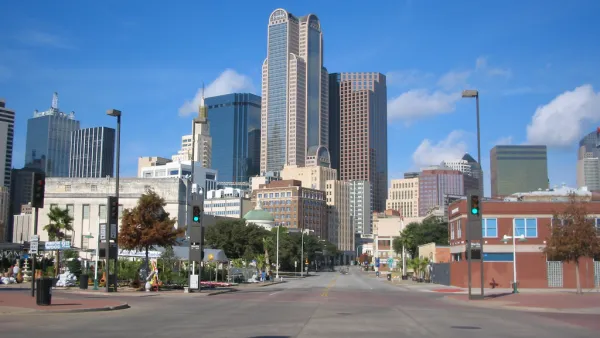
Dallas City Council Approves Urban Forest Master Plan
The plan seeks to mitigate the effects of urban heat islands by preserving and growing the city's tree canopy.

Planetizen Federal Action Tracker
A weekly monitor of how Trump’s orders and actions are impacting planners and planning in America.

Eastern Nebraska is running out of electricity
Data centers and electrification are straining eastern Nebraska’s grid, throttling economic development.

Move over, LA: St. Louis gears up for Olympics, invests millions in downtown redevelopment
The Missouri city will host the 2028 Olympic soccer group stage and knockout matches.

Dallas releases zoning code overhaul to officials
The drafted overhaul is over 400 pages long.

NYC renovations for dangerous, ‘mercilessly crammed’ street delayed until 2027
Construction was supposed to begin this fall.

San Diego’s Midway Rising project gets greenlight from city council
The project looks to become the largest affordable housing development in California's history.

FREE Course: Walkable City 1: Why Walkability?
After describing his path towards focusing on walkability as the essence of good planning, Jeff Speck marches through his five principal reasons for making more walkable places.
Reinventing Malls: Planning Alchemy—Turning Gray Fields Into Gold
The course focuses on the opportunities and imperatives that shape reinvention of mall sites.

City of Rosemead
Rutgers University, Edward J. Bloustein School of Planning and Public Policy
One Hundred Miles
University of Michigan School for Environment and Sustainability (SEAS)
Hunter College, City University of New York (CUNY)
The Architects Foundation
City of Cambridge
The Pocatello Development Authority
The Urban Renewal Agency of the City of Pocatello