Angie Schmitt sees encouraging signs of a change of perspective in some state DOTs, which seem to be following the national lead of Vision Zero Campaign.


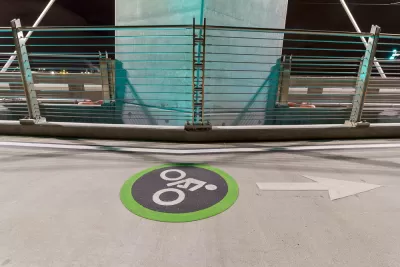
It's an old complaint that DOTs are myopically focused on moving cars efficiently and blind to the other goals a transport system might have. Jeff Speck, author of Walkable City, reserved some his most biting criticisms for this group. But in a post for Streetsblog USA, Angie Schmitt sees the possibility for a change. "They’re usually more interested in moving traffic than saving lives. But it looks like that’s starting to change as states follow the lead of the federal government’s 'Toward Zero Deaths' initiative," she writes.
In particular, Schmitt is encouraged by Oregon's Transportation Safety Action Plan, which read in part, "The development of the [plan] is an important step toward continuously changing the traffic safety culture in Oregon. It comes at a pivotal time as it is imperative to counteract the recent fatality increase." The report also adopts the zero fatalities goal, outlining a plan to decrease fatalities in the state to zero by 2035. Schmitt's findings from the Oregon case study are based on an article by Jonathan Muas for Bike Portland.
Schmitt ends her piece on a cautionary note, saying that while the language and plan outlined are encouraging they still have to execute it.
FULL STORY: Will State DOTs Follow Through on Their Goals for Zero Traffic Deaths?

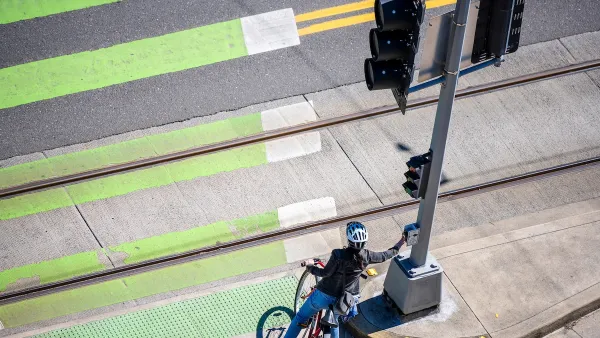
Audit: Portland’s Vision Zero Needs More Data, Funding
A city audit found that the program has failed to reduce traffic deaths and could benefit from a more systematic approach. Meanwhile, PBOT says it needs more state funding to support road safety projects.
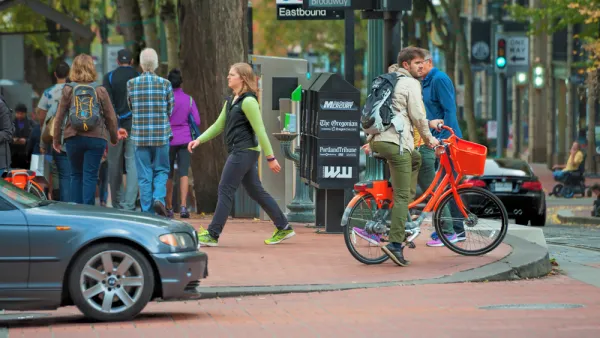
Traffic Deaths Reach Three-Decade High in Portland
In spite of the city's commitment to Vision Zero goals, more people died on Portland's streets than anytime in the last thirty years, with unhoused people most vulnerable to traffic violence.

Portland had an 'Unusual and Tragic' Year for Traffic Deaths
The Portland Bureau of Transportation's annual traffic crash report highlights the city's slow progress towards its Vision Zero goal.

The state-sanctioned urbicide of Austin
People don’t kill cities. Freeways do.

US to reduce Colorado River water deliveries to Mexico
A new Colorado Treaty amendment reduces Mexico’s Colorado River water allocation by 250,000 acre feet.

New Jersey’s second-largest city bans standalone data centers
Jersey City will continue to allow co-location facilities, such as those meant for research institutions that store their own data.

Amtrak not solely to blame for New Jersey commuter rail's unreliability, report finds
A new study from the Garden State Initiative found that NJ Transit’s budget grew 20% across a 4 year period, but reliability declined significantly over the same period.

EPA erases limits on planet-warming pollution from power plants
Under Monday’s plan, power plants would still have some limits on how much mercury, arsenic and other contaminants they can emit.

Phoenix announces new on-demand transit service, more frequent RAPID buses
Both new services will launch in October, and are part of Phoenix's Project Effective Access Solutions for Easing Congestion.

FREE Course: Walkable City 1: Why Walkability?
After describing his path towards focusing on walkability as the essence of good planning, Jeff Speck marches through his five principal reasons for making more walkable places.
Reinventing Malls: Planning Alchemy—Turning Gray Fields Into Gold
The course focuses on the opportunities and imperatives that shape reinvention of mall sites.

Eagle County Government
Harvard University Graduate School of Design
Nashville Planning Department
The Architects Foundation
University of Cincinnati Online
The Pocatello Development Authority
The Urban Renewal Agency of the City of Pocatello
Journal of the American Planning Association