Planners released new details of a proposed rezoning on the East Harlem neighborhood in New York City.


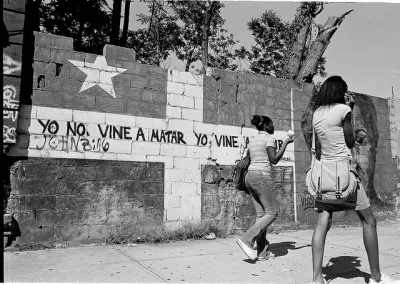
"When city planners unveiled the new zoning for East Harlem at a community board meeting last month, neighbors wanted to know how many new apartments would grow, and how many people could potentially be displaced," according to an article by Rebecca Baird-Remba. "Now the city has revealed estimates of how the rezoning would reshape the upper Manhattan neighborhood in a new set of zoning documents [pdf]."
The new zoning would affect 69 parcels around the neighborhood in addition to a city-owned, vacant block between Park Avenue, Madison Avenue, East 111th and East 112th Streets. Last Planetizen heard from the East Harlem rezoning effort, parking requirements were on the chopping block.
"Without the East 111th Street site, planners expect the rezoning to generate 3,500 apartments and draw 8,420 new residents. Future developments would also add 110,133 square feet of retail and 138,328 square feet of office space," reports Baird-Remba, among other development projections. The plan also calls for "4,162 new apartments, 140,133 square feet of retail and 138,328 square feet of office space" on the massive city owned block.
FULL STORY: City Estimates The Impact Of East Harlem Rezoning

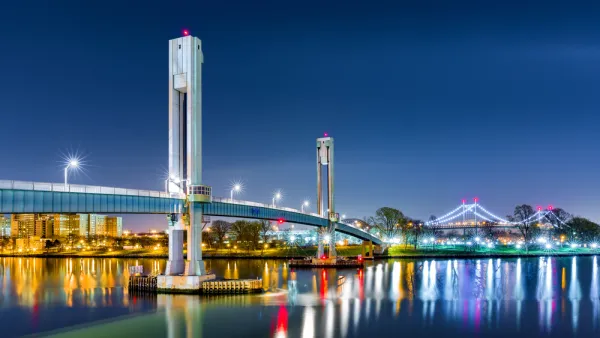
Rezoning Coming to East Harlem
New York City has commenced a Uniform Land Use Review Procedure (ULURP) in the neighborhood of East Harlem. This would be the second rezoning toward Mayor de Blasio's goal for 15 rezonings.
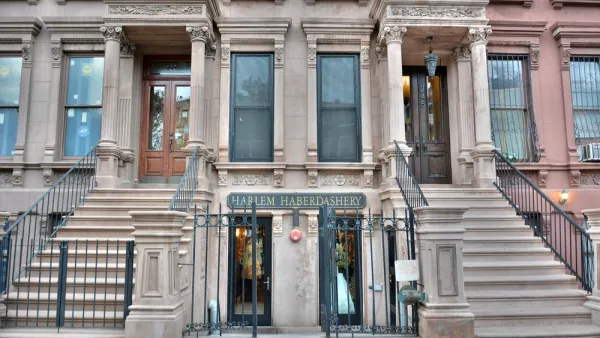
East Harlem Rezoning Could Add New Retail to Public Housing Projects
East Harlem Rezoning Could Add New Retail to Public Housing Projects
Mayor de Blasio Stresses Affordable Housing in State of the City Address
In his State of the City Address on Feb. 3, the New York City mayor made it clear that his overriding priority is affordable housing. He targeted six neighborhoods in all five boroughs where development will be required to include affordable housing.

Planetizen Federal Action Tracker
A weekly monitor of how Trump’s orders and actions are impacting planners and planning in America.

The state-sanctioned urbicide of Austin
People don’t kill cities. Freeways do.

US to reduce Colorado River water deliveries to Mexico
A new Colorado Treaty amendment reduces Mexico’s Colorado River water allocation by 250,000 acre feet.

Airbnb launches $250 million 'last-dollar financing' housing accelerator, makes first investment in Austin
The company will put $6.4 million towards affordable housing development in Texas’ capital.

Guerilla urbanists are building DIY bus stop benches in Chicago
A before-and-after of one of the bus stops with a new bench. The new benches are not officially sanctioned or permitted, but the residents who placed them hope they will be the start of a network of DIY benches across the city.

Mamdani overhauls NYC's Vision Zero plan with 100 new policy goals
The overhaul aims to reduce traffic deaths and make streets safer for pedestrians, cyclists and drivers through lower speed limits, new safety infrastructure and more.

FREE Course: Walkable City 1: Why Walkability?
After describing his path towards focusing on walkability as the essence of good planning, Jeff Speck marches through his five principal reasons for making more walkable places.
Reinventing Malls: Planning Alchemy—Turning Gray Fields Into Gold
The course focuses on the opportunities and imperatives that shape reinvention of mall sites.

Eagle County Government
Harvard University Graduate School of Design
Nashville Planning Department
The Architects Foundation
University of Cincinnati Online
The Pocatello Development Authority
The Urban Renewal Agency of the City of Pocatello
Journal of the American Planning Association