A new study compares regional population densities to transit systems to find out which transit systems have maximized their reach.



Andrew Small shares news of a new study from the Institute for Transportation & Policy that "measures how many people live within walking distance (1 km) of high-quality rapid transit, either light rail or bus transit, in 26 cities and metros around the world."
Using bus rapid transit standards of transit service, the study then compared the transit systems of 13 metropolitan areas to the population densities of those same areas. "The top four cities with the largest populations near rapid transit were Paris, Barcelona, Madrid, and London, reaching more than 90 percent of their city populations," according to Small.
One key point to be made, however, is the difference between transit coverage in the core areas of these cities compared to the reaches of their suburban periphery. "For example, 100 percent of population of the city of Paris has access to rapid transit, but only 50 percent of its larger metro population has access to the rapid transit shed that extends beyond city boundaries."
Of the cities examined in the study, U.S. cities performed well below average. "The six U.S. cities included in the study averaged a score of 17.2 percent on their metro-area service reach," according to Small, with New York City leading the way with transit accessible to 77 percent of residents living in the city and 35 percent of residents living in the metropolitan area.
FULL STORY: What Cities Have the Most People Living Near Rapid Transit?


Chicago mayor nominates allies for new regional transit board
The Northern Illinois Transit Authority will take over transit decisions from the existing Regional Transportation Authority.

Despite 47% growth in ridership, Caltrain could close a third of its stations
Riders can currently travel up to 79 miles between San Francisco and Gilroy, California.
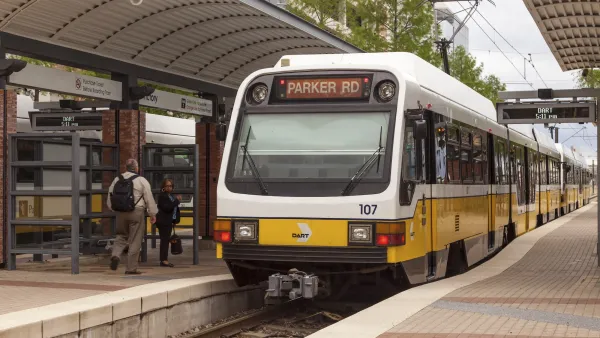
Dallas Sacrifices DART Majority Control in Bid to Keep Suburbs in Transit System
The city would give up majority control of the regional transit system for the first time in its 40-year history.

The state-sanctioned urbicide of Austin
People don’t kill cities. Freeways do.

US to reduce Colorado River water deliveries to Mexico
A new Colorado Treaty amendment reduces Mexico’s Colorado River water allocation by 250,000 acre feet.

New Jersey’s second-largest city bans standalone data centers
Jersey City will continue to allow co-location facilities, such as those meant for research institutions that store their own data.

Amtrak not solely to blame for New Jersey commuter rail's unreliability, report finds
A new study from the Garden State Initiative found that NJ Transit’s budget grew 20% across a 4 year period, but reliability declined significantly over the same period.

EPA erases limits on planet-warming pollution from power plants
Under Monday’s plan, power plants would still have some limits on how much mercury, arsenic and other contaminants they can emit.

Phoenix announces new on-demand transit service, more frequent RAPID buses
Both new services will launch in October, and are part of Phoenix's Project Effective Access Solutions for Easing Congestion.

FREE Course: Walkable City 1: Why Walkability?
After describing his path towards focusing on walkability as the essence of good planning, Jeff Speck marches through his five principal reasons for making more walkable places.
Reinventing Malls: Planning Alchemy—Turning Gray Fields Into Gold
The course focuses on the opportunities and imperatives that shape reinvention of mall sites.

Eagle County Government
Harvard University Graduate School of Design
Nashville Planning Department
The Architects Foundation
University of Cincinnati Online
The Pocatello Development Authority
The Urban Renewal Agency of the City of Pocatello
Journal of the American Planning Association