There's a physical cost to rising rents, and Oakland residents are paying the price.



Housing insecurity is behind an increase in hypertension, asthma, depression, anxiety, and schizophrenia in Oakland and surrounding cities, according to the Alameda County Public Health Department.
Between 2012 and 2014, Alameda County residents who spent 35 percent of their income on rent were twice as likely to be hospitalized for hypertension or mental illness as residents who spent less than 25 percent of their income on rent.
Children living in homes packed with 10 to 12 extra people were six times more likely to go to the emergency room for asthma than children living in homes that were not overcrowded.
A study conducted by the department and PolicyLink's Center for Infrastructure Equity identified several reasons for these "upticks."
High stress levels—caused, for instance, by the uncertainty of making rent any given month—can trigger or worsen a number of health problems, including those named in the study. Higher housing costs also mean less room in the budget for health- and medicine-related expenditures to treat or manage those problems.
And county employees reported that their clients are increasingly afraid to ask landlords to address hazardous conditions, like mold or mildew, for fear of increased rent or eviction.
In 2014, the county found that gentrification posed a health risk to low-income communities for similar reasons.
FULL STORY: Public health problems in Oakland linked to housing crisis

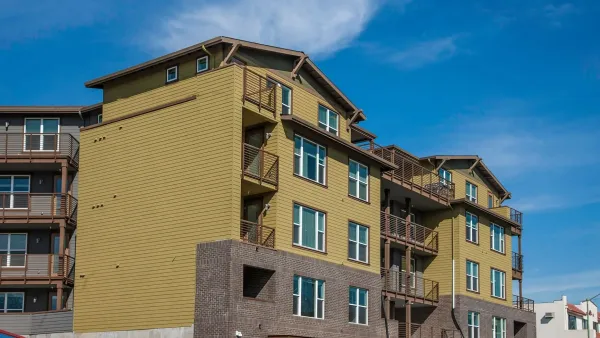
Oakland opens first affordable housing for teachers
The school district says 70% of its teachers can't afford to live in Oakland.
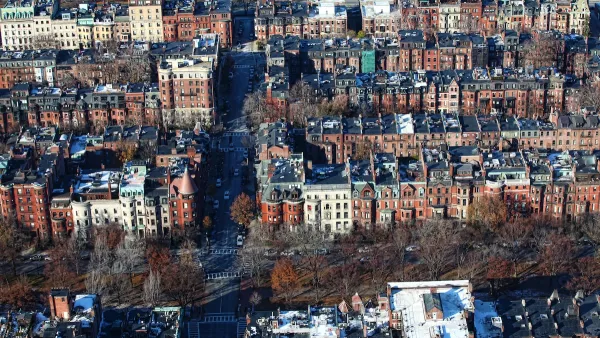
Boston Affordable Housing Program Meets 1,000-Unit Goal
The program offers zero-interest loans to developers that keep rental units affordable for at least 50 years.
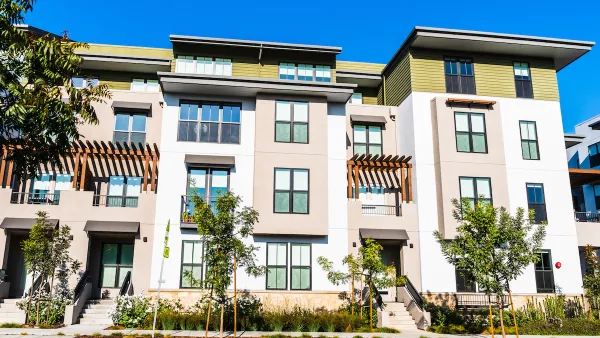
How Financing Restricts the Rental Housing Market
The way apartment buildings are financed has a major impact on supply and costs.

Planetizen Federal Action Tracker
A weekly monitor of how Trump’s orders and actions are impacting planners and planning in America.

The state-sanctioned urbicide of Austin
People don’t kill cities. Freeways do.

US to reduce Colorado River water deliveries to Mexico
A new Colorado Treaty amendment reduces Mexico’s Colorado River water allocation by 250,000 acre feet.

5 New England states march closer to 800 megawatt wind energy project
Securing federal approval for the project may be complicated under the Trump administration, which has historically been hostile towards domestic wind power.

Baltimore to break ground on $50 million Transit Priority Project
The project will bring faster bus trips, safer streets and better bike connections to Baltimore.

Airbnb launches $250 million 'last-dollar financing' housing accelerator, makes first investment in Austin
The company will put $6.4 million towards affordable housing development in Texas’ capital.

FREE Course: Walkable City 1: Why Walkability?
After describing his path towards focusing on walkability as the essence of good planning, Jeff Speck marches through his five principal reasons for making more walkable places.
Reinventing Malls: Planning Alchemy—Turning Gray Fields Into Gold
The course focuses on the opportunities and imperatives that shape reinvention of mall sites.

Eagle County Government
Harvard University Graduate School of Design
Nashville Planning Department
The Architects Foundation
University of Cincinnati Online
The Pocatello Development Authority
The Urban Renewal Agency of the City of Pocatello
Journal of the American Planning Association