Is Airbnb a prime target for regulation, or is it just another way to expand the marketplace for bedrooms? Dan Bertolet urges caution. After all, couldn't less Airbnb just mean more hotels?


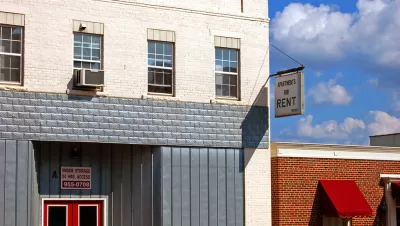
In cities like Seattle, where concerns about local affordability have been brewing for a while, short-term rental platforms like Airbnb look like a threat. As the common wisdom has it, they cut off the supply of long-term units, driving rents up. "In response, the Seattle City Council is considering new restrictions targeted at hosts who use Airbnb or similar services as a sort of mini virtual hotel."
But Dan Bertolet of the Sightline Institute sees no reason to panic. While Airbnb's critics aren't necessarily wrong, we don't know enough yet to make a judgement. For one thing, restricting Airbnb would place additional regulatory pressure on an already constrained market. Bertolet writes, "web-based STRs, LTRs, and hotels are each interrelated components of the same citywide housing market, each utilizing the same basic resource: bedrooms."
He goes on, "We also know that housing markets in North America are extremely rigid and inflexible, discouraging all manner of inexpensive housing that could otherwise be helping to ease the affordability squeeze."
As usual, it all comes back to supply and demand. And the demands of Airbnb users more closely align with those of hotel guests than long-term renters. "Hotel and apartment developments compete for the same scarce urban land, so more new hotels means fewer new apartments, and fewer apartments means higher rents. If so, then STR restrictions may be a zero-sum game for affordability."
His overall message is one of caution, but Bertolet also notes that the hospitality industry wouldn't be so vigorously opposed to Airbnb if it didn't cut into their business.
Read the full story: Why Quashing Short-Term Rentals Is a Zero-Sum Game for Housing Affordability


Short-Term Rentals Continue to Evade Regulations
City leaders around the world are struggling to control the short-term rental market, which many fear is jeopardizing the housing supply and displacing longtime residents.

How Much Are Short-Term Rentals to Blame for the Housing Crisis?
Whether and how deeply Airbnb and other short-term rentals affect housing costs depends largely on local conditions and economies.
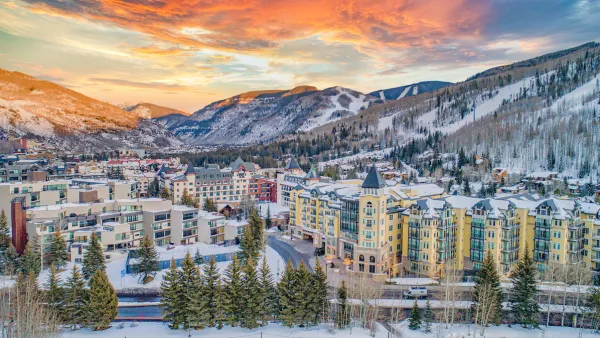
Opinion: Resort Towns Must Take Action to Keep Housing Affordable
The workers that keep many popular tourist destinations running find it more difficult to find affordable housing near their jobs as more remote workers move to scenic resort areas.

Planetizen Federal Action Tracker
A weekly monitor of how Trump’s orders and actions are impacting planners and planning in America.

California plans to bury El Niño’s downpour
If the state plays its cards right, it may be able to store a billion acre-feet of El Niño’s water in aquifers.

Chicago breaks ground on $3 billion megadevelopment
The new neighborhood, titled Foundry Park, will one day host 3,700 residences.

Satanic Place Names
From streams and lakes to valleys and canyons, I mapped more than 1,000 places named after the Devil.

California High-Speed Rail Authority CEO resigns after $600,000 scandal
Under Ian Choudri, the authority used taxpayer dollars to fund first class flights and trips to nightclubs.

Want to study the Missouri River? Soon, you may need unanimous approval from 10 states
Legislation would require 10 governors’ permission to study or build projects moving water outside the basin.

FREE Course: Walkable City 1: Why Walkability?
After describing his path towards focusing on walkability as the essence of good planning, Jeff Speck marches through his five principal reasons for making more walkable places.
Reinventing Malls: Planning Alchemy—Turning Gray Fields Into Gold
The course focuses on the opportunities and imperatives that shape reinvention of mall sites.

City of Rosemead
Rutgers University, Edward J. Bloustein School of Planning and Public Policy
One Hundred Miles
Hunter College, City University of New York (CUNY)
The Architects Foundation
University of Cincinnati Online
City of Cambridge
Montrose County
The Pocatello Development Authority