Introducing a group of 16 avatars meant to represent the people who live, work, and play in downtown Toronto.


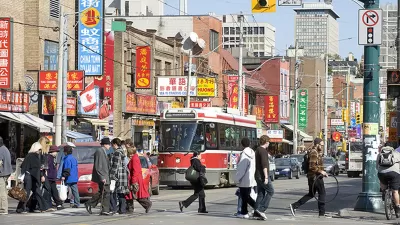
The planners behind the ongoing TOCore downtown planning process recently introduced a group of "avatars," created from demographic data about the city.
Introducing the #TOcore Avatars. Read their stories and share yours. Visit https://t.co/lLkzG5exuC #TOpoli pic.twitter.com/tLTqhReAbK
— CityPlanTO (@CityPlanTO) May 11, 2016
The TOCore website explains the reasoning behind the avatars:
Businesses create customer profiles all the time to ensure they are thinking about the needs of their customers, like when they are designing new products. This is the same thing, but we're taking our Avatars one step further and making them public.
The website lists 16 such avatars, covering such demographic categories as refugee, homeless, special needs, trans youth, and lots more.
The Regional Plan Association created a similar group of avatars for the purposes of creating the Fourth Regional Plan in 2014.
As for TOCore, the downtown planning effort launched a second phase in April 2016. More information can be found at the plan's website and with #TOCore.
Read the full story: Downtown Stories: Planning for Many Perspectives
How Fictional Characters Can Give Real Perspective to Planners
Eric Jaffe reports on a simulation method used by the Regional Plan Association to bridge gaps in community engagement while developing the Fourth Regional Plan.
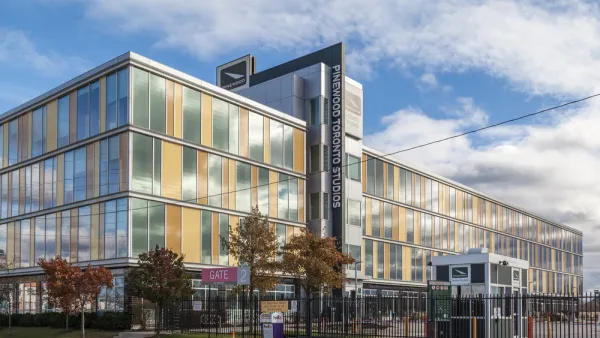
Are Movie Studios 'Highest and Best Use' During a Housing Affordability Crisis?
Toronto's answer to the question posed in the headline is, "yes." One columnist wonders if the city can do more to balance its priorities.
Toronto Reconsidering its Parking Requirements
Parking reform is reaching new frontiers.

Planetizen Federal Action Tracker
A weekly monitor of how Trump’s orders and actions are impacting planners and planning in America.

Eastern Nebraska is running out of electricity
Data centers and electrification are straining eastern Nebraska’s grid, throttling economic development.

Move over, LA: St. Louis gears up for Olympics, invests millions in downtown redevelopment
The Missouri city will host the 2028 Olympic soccer group stage and knockout matches.

Dallas releases zoning code overhaul to officials
The drafted overhaul is over 400 pages long.

NYC renovations for dangerous, ‘mercilessly crammed’ street delayed until 2027
Construction was supposed to begin this fall.

San Diego’s Midway Rising project gets greenlight from city council
The project looks to become the largest affordable housing development in California's history.

FREE Course: Walkable City 1: Why Walkability?
After describing his path towards focusing on walkability as the essence of good planning, Jeff Speck marches through his five principal reasons for making more walkable places.
Reinventing Malls: Planning Alchemy—Turning Gray Fields Into Gold
The course focuses on the opportunities and imperatives that shape reinvention of mall sites.

City of Rosemead
Rutgers University, Edward J. Bloustein School of Planning and Public Policy
One Hundred Miles
University of Michigan School for Environment and Sustainability (SEAS)
Hunter College, City University of New York (CUNY)
The Architects Foundation
City of Cambridge
The Pocatello Development Authority
The Urban Renewal Agency of the City of Pocatello