Bikers hoping for a new bike lane on 9th Ave N in Seattle were disappointed earlier this month with an announcement by the Seattle Department of Transportation.



"It took only two weeks for Seattle’s Department of Transportation to cut the only significant center city bike lane from their already-scaled-back 2016 plans," according to an article by Tom Fucoloro for the Seattle Bike Blog.
Fucoloro is scathingly critical of the decision to cut the 9th Ave N bike lane from the 2016 schedule of construction. According to Fucoloro, the 9th Ave N bike lane has been promised as a major bike route alternative to the streetcar tracked route of Westlake Avenue. Moreover, delivering "bike lanes there in 2016 was the only silver lining when the city made baffling and devastating cuts to the downtown bike plans earlier this year." Instead, "in just one year, the city went from plans to build a grid of bike lanes downtown that connect to neighborhoods north, south and east to plans to build essentially no complete connections until at least 2018."
The article includes more details about the reasons for the cuts, as well as the public response to the decision.
Read the full story: SDOT backpedals even further on already-slashed bike plan, cuts 9th Ave
Planning for New Protected Bike Lanes in Northeast Seattle
The Seattle Department of Transportation is pitching new bike routes as safe infrastructure for all ages.

El Paso has Built 1,000 Miles of Bike Lanes in 10 Years
The city is now asking the public for input on updates to its bike plan.
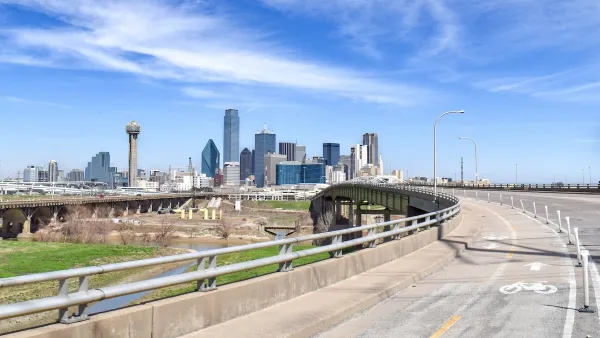
Dallas Bike Plan Calls for Accelerating Bike Infrastructure
City officials acknowledge Dallas lags behind in bicycle infrastructure, but a new plan could change that.

Planetizen Federal Action Tracker
A weekly monitor of how Trump’s orders and actions are impacting planners and planning in America.

Eastern Nebraska is running out of electricity
Data centers and electrification are straining eastern Nebraska’s grid, throttling economic development.

Move over, LA: St. Louis gears up for Olympics, invests millions in downtown redevelopment
The Missouri city will host the 2028 Olympic soccer group stage and knockout matches.

Dallas releases zoning code overhaul to officials
The drafted overhaul is over 400 pages long.

NYC renovations for dangerous, ‘mercilessly crammed’ street delayed until 2027
Construction was supposed to begin this fall.

San Diego’s Midway Rising project gets greenlight from city council
The project looks to become the largest affordable housing development in California's history.

FREE Course: Walkable City 1: Why Walkability?
After describing his path towards focusing on walkability as the essence of good planning, Jeff Speck marches through his five principal reasons for making more walkable places.
Reinventing Malls: Planning Alchemy—Turning Gray Fields Into Gold
The course focuses on the opportunities and imperatives that shape reinvention of mall sites.

City of Rosemead
Rutgers University, Edward J. Bloustein School of Planning and Public Policy
One Hundred Miles
University of Michigan School for Environment and Sustainability (SEAS)
Hunter College, City University of New York (CUNY)
The Architects Foundation
City of Cambridge
The Pocatello Development Authority
The Urban Renewal Agency of the City of Pocatello