Localities face differing requirements from state to state when it comes to using social media. Are you ready for live video?


Public records requirements, privacy and liability issues, and possibly record retention requirements can make the use of social networking sites a little difficult for a locality—toss in the potential for a dialogue that might involve elected officials or postings from elected officials and it's obvious that there have to be policies and procedures in place to avoid running afoul of open meetings and public document requirements.
Citizen engagement, however, has become increasingly important as localities strive for transparency and input. Leveraged by the smartphone, we have a perfect venue for reaching out and connecting. How then does one launch into the use of social networking, YouTube channels, LinkedIn sites, Twitter, and video streaming (Periscope anyone?) without bumping into the regulations above (which were probably created before social networking was even an idea)?
The advent of streaming, live video as a tool for connecting with our citizens is very powerful—but don't kid yourself—without some sort of legislative relief or adjustments, local policies, and procedures will need to be established to stay compliant with state requirements.
Read the full story: Facebook Launches Live Video Feature: What Does it Mean for Government?
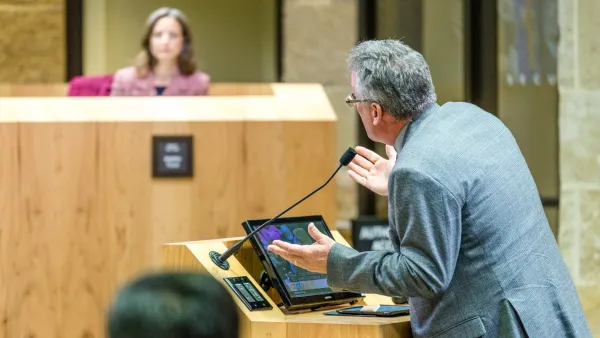
What the Academic Literature Says About Civic Engagement
A literature review notes three big themes and challenges to emerge from a year's worth of intellectual investigation of civic engagement.
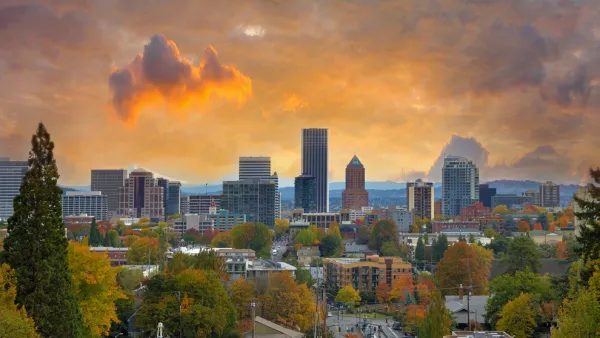
Uncertain Future of Portland’s Neighborhood Associations Causing Controversy
A proposal to dissolve the groups has led to a debate about their purpose and who really benefits from them.
The Good and the Bad of Planning Websites
Students review municipal planning department websites in cities with more than 50,000 people to identify strengths and weaknesses. This post shares examples of the use of websites for information sharing and engagement.

Planetizen Federal Action Tracker
A weekly monitor of how Trump’s orders and actions are impacting planners and planning in America.

California plans to bury El Niño’s downpour
If the state plays its cards right, it may be able to store a billion acre-feet of El Niño’s water in aquifers.

Desperate measures: Advocates weigh draining Lake Powell to fill Colorado River
Draining the reservoir could reduce evaporation losses by a couple hundred thousand acre-feet.

Los Angeles just elected an urban planner as its mayor
Transportation analysts are optimistic that Raman will be more aggressive in addressing transit issues than Bass.

Mamdani’s pied-à-terre tax survives legal challenge
A panel of judges found that the plaintiffs failed to demonstrate injury as a result of New York City's implementation of the tax.

Eastern Nebraska is running out of electricity
Data centers and electrification are straining eastern Nebraska’s grid, throttling economic development.

FREE Course: Walkable City 1: Why Walkability?
After describing his path towards focusing on walkability as the essence of good planning, Jeff Speck marches through his five principal reasons for making more walkable places.
Reinventing Malls: Planning Alchemy—Turning Gray Fields Into Gold
The course focuses on the opportunities and imperatives that shape reinvention of mall sites.

City of Rosemead
Rutgers University, Edward J. Bloustein School of Planning and Public Policy
One Hundred Miles
University of Michigan School for Environment and Sustainability (SEAS)
Hunter College, City University of New York (CUNY)
The Architects Foundation
City of Cambridge
Montrose County
The Pocatello Development Authority