A half-cent sales tax to fund an expansion of MARTA has been paired back to $2.5 billion and the city limits of Atlanta instead of $8 billion for the region, but Atlanta voters will have a chance to decide on the new tax despite its near demise.


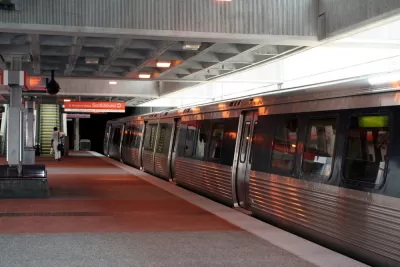
Andria Simmons reports on the reborn efforts to fund transit in Atlanta, a few weeks after the Georgia State Legislature killed an $8 billion transit sales tax proposal.
Simmons provides a dispatch from a recent public appearance by Atlanta Mayor Kasim Reed, where the mayor "shared his thoughts…"on what an additional $2.5 billion of transit funding could mean for the city." This proposal has the necessary backing from the State Legislature, as of Simmons's writing. The final decision will come from the city's voters, who will consider a half-cent sales tax, to be added to the existing 1 percent sales tax that funds MARTA.
The article includes an interview between Mayor Reed and Atlanta Journal-Constitution staff writer J. Scott Trubey. One point that emerges immediately: the sales tax initiative only decides the funding mechanism for the MARTA expansion, while only creating what Mayor Reed describes as "a very nice runway to structure the project list and to have a very robust public discussion about what that should look like."
Angie Schmitt offers additional commentary on the back-from-the-dead trick pulled by the transit sales tax.
Read the full story: Mayor Kasim Reed expands on Atlanta’s new transit plans

Update: Atlanta's $8 Billion Transit Plan Moving Forward
A once-in-a-generation moment for transit is taking shape in Atlanta.
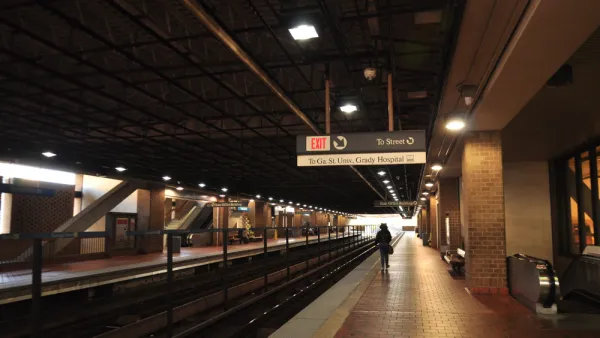
Atlanta Transit Plans Stall Due to Budget Concerns
With MARTA facing a potential billion dollar shortfall, the agency says it can’t fulfill its system expansion plan.
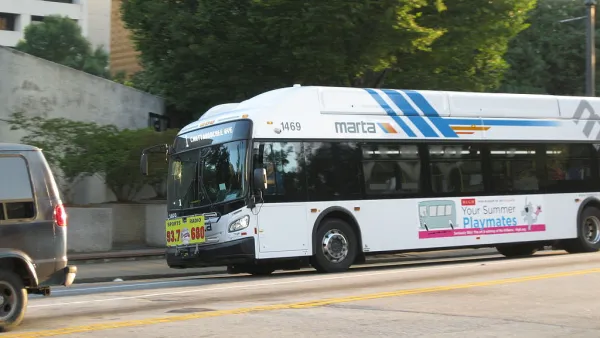
Light Rail Plans Could Become Bus Rapid Transit Plans in Atlanta
Light rail on the Clifton Corridor was once a centerpiece of a $2.7 billion, 40-year transit expansion plans funded by a voter-approved sales tax. Now MARTA is considering using bus rapid transit on the corridor instead.

Planetizen Federal Action Tracker
A weekly monitor of how Trump’s orders and actions are impacting planners and planning in America.

Data reveals that NYC’s bet on congestion pricing has paid off
After almost two years of the program, reports show positive impacts on traffic and air quality and no disruptions to parking.

HUD modernizes 50-year-old manufactured housing framework
The Next Generation Manufactured Housing Action Plan establishes new energy-efficiency standards for manufactured homes, and new guidelines for anchoring them.

Florida could lose billions in funding for infrastructure, parks
If Amendment 3 passes, Miami-Dade would lose about $445 million annually by fiscal year 2028-29.

New Mexico spent millions drafting climate goals. Data centers are unraveling them
Three data centers in New Mexico and El Paso will release more emissions yearly than 2 million cars in the same timeframe.

This Ohio town is using AI to speed up transit analysis
The Greater Dayton Regional Transit Authority’s new AI tool correctly determined riders’ preferred ways to reach key commuter routes.

FREE Course: Walkable City 1: Why Walkability?
After describing his path towards focusing on walkability as the essence of good planning, Jeff Speck marches through his five principal reasons for making more walkable places.
Reinventing Malls: Planning Alchemy—Turning Gray Fields Into Gold
The course focuses on the opportunities and imperatives that shape reinvention of mall sites.

Rutgers University, Edward J. Bloustein School of Planning and Public Policy
One Hundred Miles
County of Mendocino
The Architects Foundation
University of Cincinnati Online
Montrose County
Northern Illinois Transit Authority (NITA)
The Pocatello Development Authority