As more and more people live on this planet, the pressure to build smart cities that feature environmentally sustainable infrastructure will become immense. Planners will be challenged to do more with less. Here's a discussion of this complex issue.


The global population, according to the Pew Research Center, is projected to grow by 38% from 2010 to 2050. This increase means an additional 2.7 billion people in the world, many of whom will be living in Africa and other developing countries. Additionally, India will soon surpass China as the most populous. It is also projected that by the year 2050, 70% of the population will reside in urban communities.
This population growth presents an interesting and unique problem for urban planners. As more and more people live on this planet, the pressure to build smart cities that feature environmentally sustainable infrastructure will become immense. The challenge facing planners will be to find a way to do more with less. In other words, what decisions will need to be made going forward to create livable environments for more per people per square foot as population densities grow while maintaining a proper balance between human and environmental needs?
Read the full article for a more in-depth look at this question.
Read the full story: Meeting the Challenge of Sustainable Infrastructure

Ten extraordinary women making cities work better for everyone
A new book profiles women leaders shaping the future of modern cities. These are some of their stories.
January Must-Reads: Top 10 Articles From Last Month
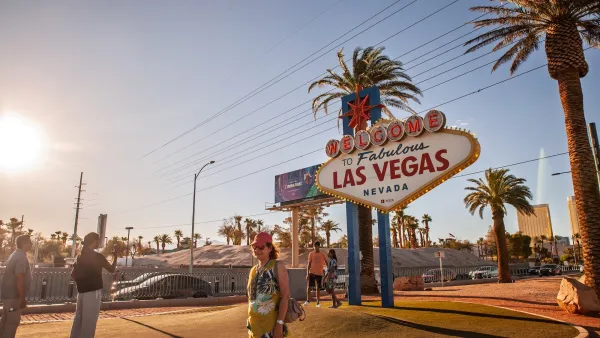
New York and New Jersey enact new tenant protections, Brightline West announces an opening date, and could a Nevada law have killed tens of thousands of trees?
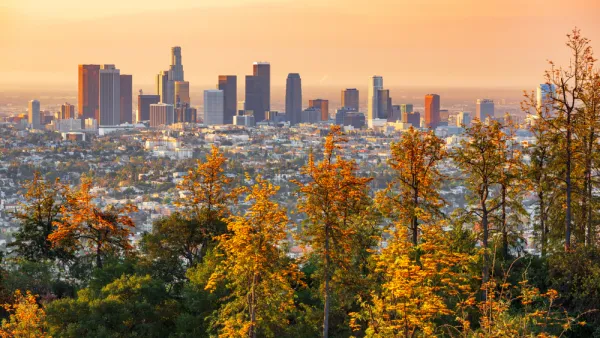
LA’s Trees Absorb More Carbon Than Expected, But Can’t Do It Alone
A USC study finds that Los Angeles’ urban trees absorb more carbon than expected, but while they provide crucial environmental benefits, they cannot replace the urgent need for systemic emissions reductions.

Planetizen Federal Action Tracker
A weekly monitor of how Trump’s orders and actions are impacting planners and planning in America.

California plans to bury El Niño’s downpour
If the state plays its cards right, it may be able to store a billion acre-feet of El Niño’s water in aquifers.

Desperate measures: Advocates weigh draining Lake Powell to fill Colorado River
Draining the reservoir could reduce evaporation losses by a couple hundred thousand acre-feet.

Los Angeles just elected an urban planner as its mayor
Transportation analysts are optimistic that Raman will be more aggressive in addressing transit issues than Bass.

Mamdani’s pied-à-terre tax survives legal challenge
A panel of judges found that the plaintiffs failed to demonstrate injury as a result of New York City's implementation of the tax.

Eastern Nebraska is running out of electricity
Data centers and electrification are straining eastern Nebraska’s grid, throttling economic development.

FREE Course: Walkable City 1: Why Walkability?
After describing his path towards focusing on walkability as the essence of good planning, Jeff Speck marches through his five principal reasons for making more walkable places.
Reinventing Malls: Planning Alchemy—Turning Gray Fields Into Gold
The course focuses on the opportunities and imperatives that shape reinvention of mall sites.

City of Rosemead
Rutgers University, Edward J. Bloustein School of Planning and Public Policy
One Hundred Miles
University of Michigan School for Environment and Sustainability (SEAS)
Hunter College, City University of New York (CUNY)
The Architects Foundation
City of Cambridge
Montrose County
The Pocatello Development Authority