An in-depth look at some of the high-profile properties slated for redevelopment in Detroit in 2016 provides inspiration for some of the properties that still need solutions.


"Some of Detroit's most famous vacant sites finally may see new construction getting under way in 2016, turning some of the city's longest-running symbols of distress into emblems of renewal," reports John Gallagher.
"The Hudson's site on Woodward, the old Tiger Stadium site at Michigan and Trumbull, and the State Fairgrounds near Woodward Avenue and 8 Mile all seem likely to see redevelopment progress in 2016 after in some cases decades of disuse," adds Gallagher.
Gallagher notes a few long-vacant sites still not expecting redevelopment—but the examples provided by the list of properties pending for a makeover is enough to inspire hope that even the most intractable property challenges have solutions. To help illustrate that point, the article provides more details about the unique challenges facing each of the redevelopment sites, as well as the obstacles facing dormant properties and projects around the city.
Read the full story: Look for new life on old Detroit sites in '16

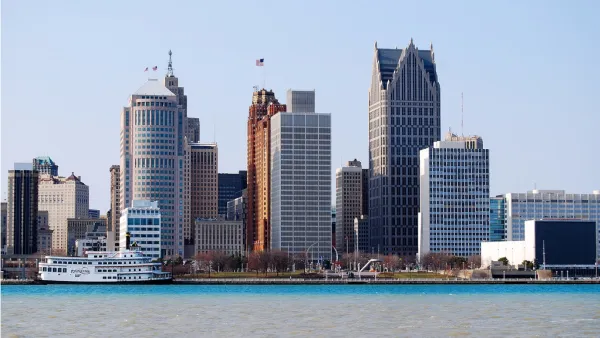
Can Detroit's Urban Revitalization Undo the Mistakes of Urban Renewal?
Some experts think the language used to describe a redevelopment project in Detroit might be overly ambitious.
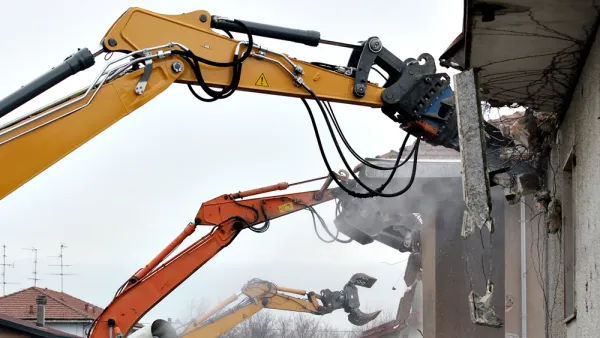
$160 Million in Bond Funding for Demolitions on the Ballot in Detroit
Proposal N, on the ballot for Detroit voters next week, will provide $160 million in bond funding for demolitions and $90 million to mothball homes for future rehab, but, according to this opinion, it won't solve the city's blight challenges.
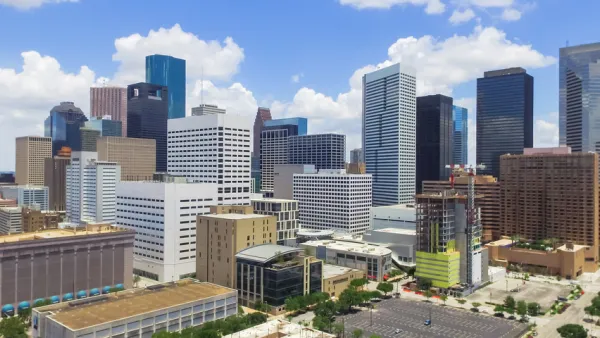
Opportunity Zones a 'Windfall for the Rich'
Opportunity zones are so far only benefitting the moneyed interests of the real estate industry.

Planetizen Federal Action Tracker
A weekly monitor of how Trump’s orders and actions are impacting planners and planning in America.

Amtrak, CN end decades-long dispute with eight-year agreement
The new operating agreement establishes an updated framework for the companies to work together, including processes to resolve disputes.

Judges permit Denver to divert 77,000 acre feet from the Colorado River for reservoir expansion
Overuse and climate change have caused the Colorado River’s water levels to plummet.

Boston has spent millions making the Green Line more accessible — and there’s no end in sight
While the city has invested millions into expanding and adding platforms to the Green Line to make it more accessible, new train cars set to arrive next year will be too tall for disabled passengers to board without raising the current platforms.

Idaho may see an 18% drop in federal surface transit funding — the largest estimated cut in the US
Transit systems in rural communities are much more reliant on federal funding to provide their services.

How ‘post-disaster gentrification’ alters neighborhoods after natural calamities
After hurricanes, fires or other calamities, the original residents of a community are often replaced by younger, wealthier residents.

FREE Course: Walkable City 1: Why Walkability?
After describing his path towards focusing on walkability as the essence of good planning, Jeff Speck marches through his five principal reasons for making more walkable places.
Reinventing Malls: Planning Alchemy—Turning Gray Fields Into Gold
The course focuses on the opportunities and imperatives that shape reinvention of mall sites.

City of Wisconsin Rapids
Harvard University Graduate School of Design
KFH Group Inc.
The Architects Foundation
University of Cincinnati Online
The Pocatello Development Authority
The Urban Renewal Agency of the City of Pocatello