The GAO releases a report on the timely completion of highway constructionprojects -- and details the 200 major steps required.


According to FHWA, and based on its professional judgment, it typicallytakes from 9 to 19 years to plan, gain approval for, and construct a new,major federally funded highway project that has significant environmentalimpacts. However, these projects constitute only about 3 percent of allfederally funded projects, according to FHWA. These highway projects areoften carried out in four phases.... Completing a new, major highway construction project takes a number ofyears because of the many tasks, requirements, approvals, andstakeholders involved. As many as 200 major steps can be involved indeveloping a transportation project from the identification of project needto the start of construction, depending on the project type and complexity. Editor's note: The link below is to a large PDF document.
Thanks to Linda LaSut
Read the full story: Highway Infrastructure


Planetizen Federal Action Tracker
A weekly monitor of how Trump’s orders and actions are impacting planners and planning in America.

The state-sanctioned urbicide of Austin
People don’t kill cities. Freeways do.
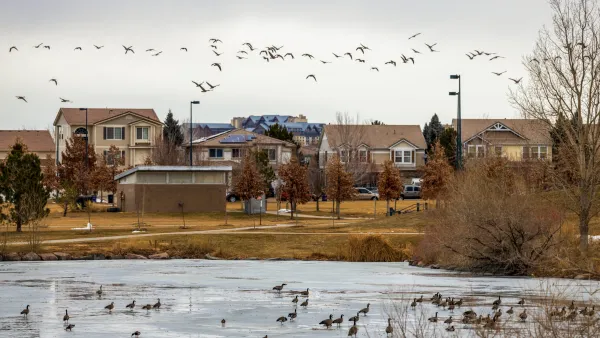
Colorado’s Largest Data Center Could Rise Next to Homes — Without a Public Hearing
The proposed campus would consume 11 times the power of Denver International Airport; as it has across the country, opposition mounts.
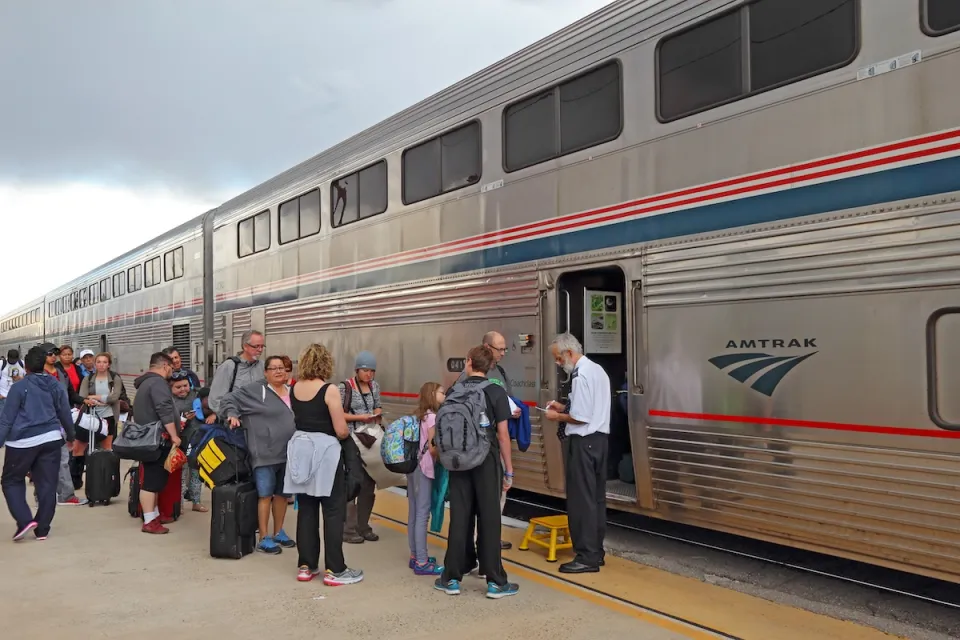
Amtrak, CN end decades-long dispute with eight-year agreement
The new operating agreement establishes an updated framework for the companies to work together, including processes to resolve disputes.
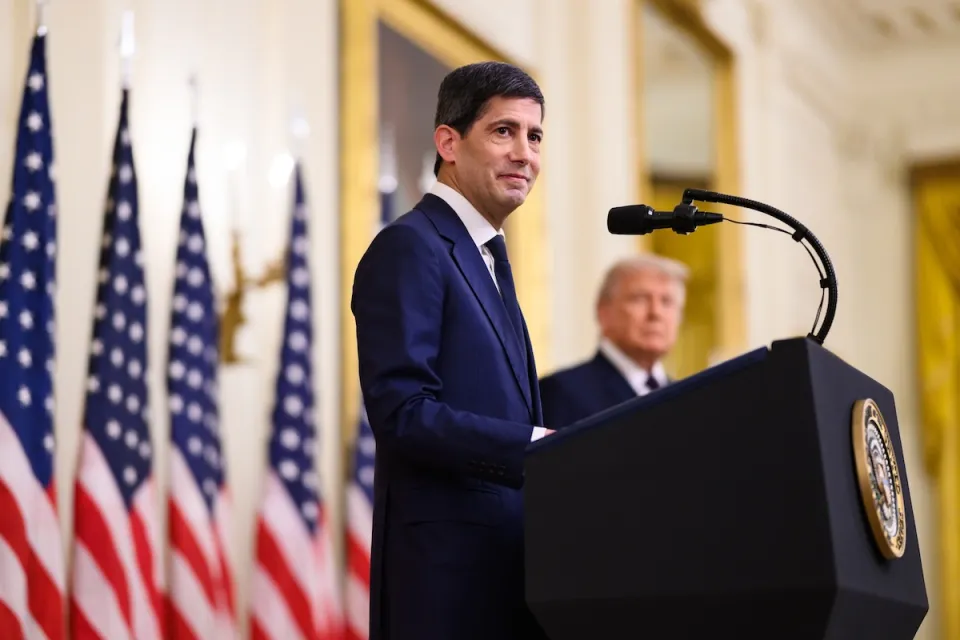
Raised interest rates may kill financially vulnerable construction projects
The chief economist at ConstructConnect warns that if construction project owners are negatively impacted by the raised rates, it could result in delayed payments to contractors.
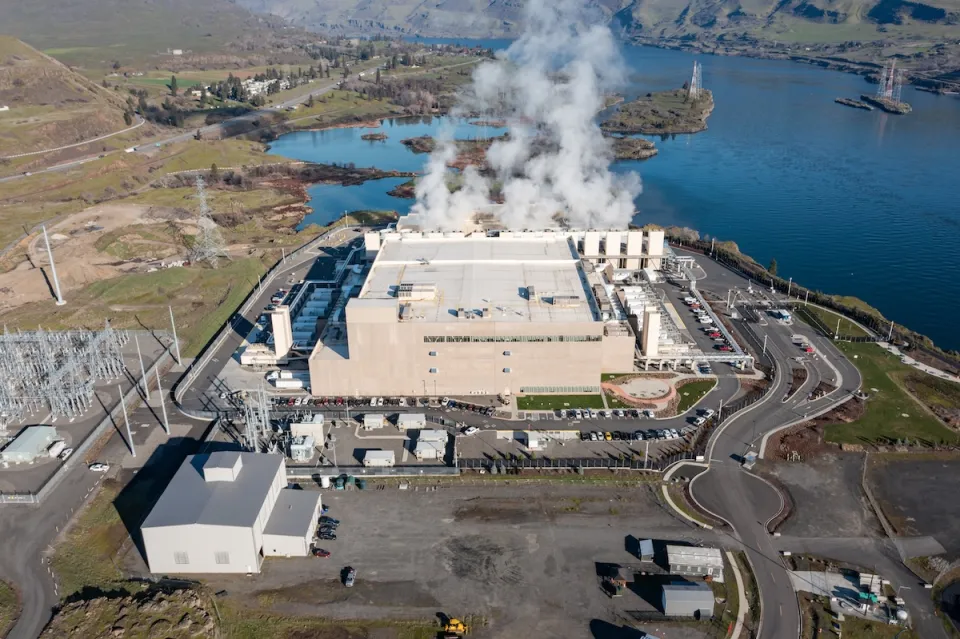
Data centers are consuming nearly 25% of Oregon’s power
The state has 111 data centers, with 32 more either planned or under construction.

FREE Course: Walkable City 1: Why Walkability?
After describing his path towards focusing on walkability as the essence of good planning, Jeff Speck marches through his five principal reasons for making more walkable places.
Reinventing Malls: Planning Alchemy—Turning Gray Fields Into Gold
The course focuses on the opportunities and imperatives that shape reinvention of mall sites.

Greater Baltimore Committee
Eagle County Government
Harvard University Graduate School of Design
The Architects Foundation
University of Cincinnati Online
The Pocatello Development Authority
The Urban Renewal Agency of the City of Pocatello
Journal of the American Planning Association