The Startup Genome Project ranks the Silicon Valley as far and away the best location in the world for startup businesses, but other American cities appear all over the top ten.


Richard Florida shares the results of a new ranking for the world's reading startup cities. According to Florida, the 2015 edition of the Startup Genome Project "is based on data from 11,000 global startup companies, interviews with more than 200 entrepreneurs worldwide, and data from Crunchbase and other sources." The result is a ranking of the world's "startup ecosystems" (i.e., "the broad infrastructure of talent, knowledge, entrepreneurs, venture capital, and companies that make up a startup community").
According to the ranking, the worldwide list of startup ecosystems is lead by the Silicon Valley and followed by three more American locations: New York City, Los Angeles, and Boston. Chicago and Seattle come in at number seven and eight, respectively. The article also includes more insights into the findings of the rankings and what they say about the cities included on the list.
For another take on a similar idea, focusing just on the United States, the Ewing Marion Kauffman Foundation maintains a "Metropolitan Area Rankings for Startup Activity" index. The 2015 version of that index places the Austin-Round Rock-San Marcos metropolitan area at the top of the ranks.
Read the full story: The World’s Leading Startup Cities

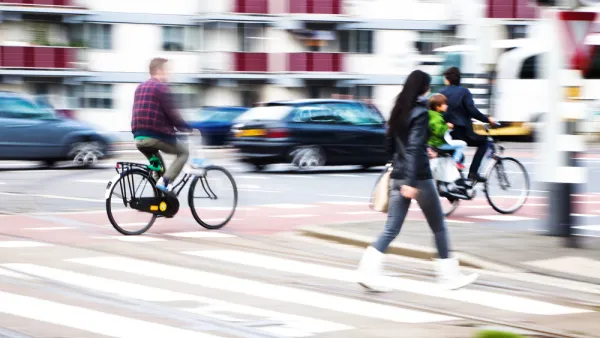
20 Safest and Most Dangerous US Cities for Pedestrians
Pedestrian safety is a vital component to a walkable city. Which large cities in the United States have a leg up, and which are trailing behind?
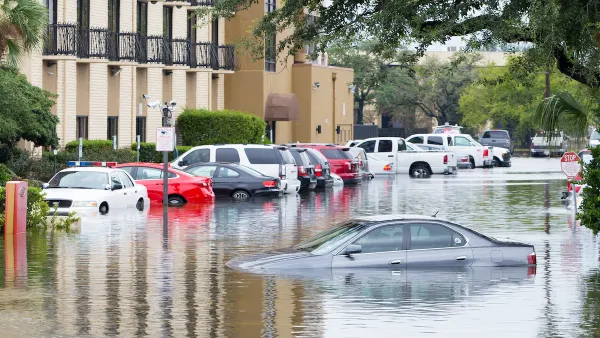
20 States Best and Least Prepared for Climate Change and Extreme Weather
A new study from CNBC ranks US states in order of sustainability and preparedness for climate change and extreme weather. A few might surprise you.
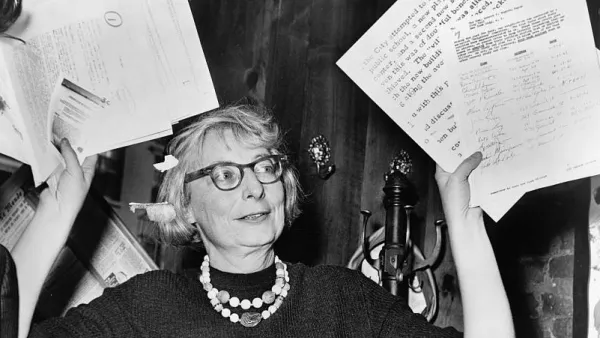
The 100 Most Influential Urbanists, Past and Present
Planetizen readers have decided the who's who of urbanism (and its discontents) in 2023.

Planetizen Federal Action Tracker
A weekly monitor of how Trump’s orders and actions are impacting planners and planning in America.

The state-sanctioned urbicide of Austin
People don’t kill cities. Freeways do.

US to reduce Colorado River water deliveries to Mexico
A new Colorado Treaty amendment reduces Mexico’s Colorado River water allocation by 250,000 acre feet.

Nation's most wind-powered state turns to coal as data centers increase energy demand
For the first time in decades, Iowa has increased its generation of coal power.

NYC cools commuters with city's first rain garden above a bus stop
New York City officials say the plants in the rain garden can absorb 16 gallons of rainwater during heavy storms.

Brightline West’s future may rely on $6 billion federal loan
The company has until Nov. 2 to make a $400 million equity investment into its proposed high-speed rail line.

FREE Course: Walkable City 1: Why Walkability?
After describing his path towards focusing on walkability as the essence of good planning, Jeff Speck marches through his five principal reasons for making more walkable places.
Reinventing Malls: Planning Alchemy—Turning Gray Fields Into Gold
The course focuses on the opportunities and imperatives that shape reinvention of mall sites.

Eagle County Government
Harvard University Graduate School of Design
Nashville Planning Department
The Architects Foundation
University of Cincinnati Online
The Pocatello Development Authority
The Urban Renewal Agency of the City of Pocatello
Journal of the American Planning Association