Randy Simes reports on the latest fruits of the Southwest Ohio Regional Transit Authority's (SORTA) approach to transit planning in the Cincinnati metropolitan area.


According to Randy Simes, "Walnut Hills and Northside have long been two of the region's busiest transit hubs, and now it appears they will finally get their due as part of an ongoing effort by the Southwest Ohio Regional Transit Authority (SORTA) to broaden its services beyond its traditional hub-and-spoke model."
The plans for Walnut Hills and Northside are thanks to funds approved for two contractors to commence final design and construction services. Woolpert will handle the Walnut Hills Transit District, while Michael Schuster Associates Architects (MSA) will be responsible for an "off-street transit center in the heart of Northside's business district."
According to Simes, these two contracts are just the latest planning effort by SORTA that has already led to construction "of the Glenway Crossing Transit Center, Uptown Transit District, and Montgomery Road Metro Plus route." Simes also notes that these projects have been credited for helping boost ridership on the system.
Read the full story: Two Cincinnati neighborhoods will get new transit hubs


What Is Good Transit?
Good Transit is frequent. Good Transit is reliable. Good Transit is (reasonably) fast. Good Transit feels safe.
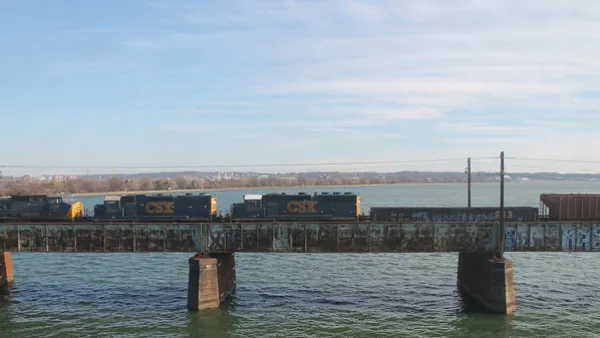
Virginia Passenger Rail Sets Ridership Records, Seeks More Wins
Virginia’s commitment to intercity rail is paying off in record ridership numbers, but more work will be necessary to achieve the state’s ambitions for passenger rail.
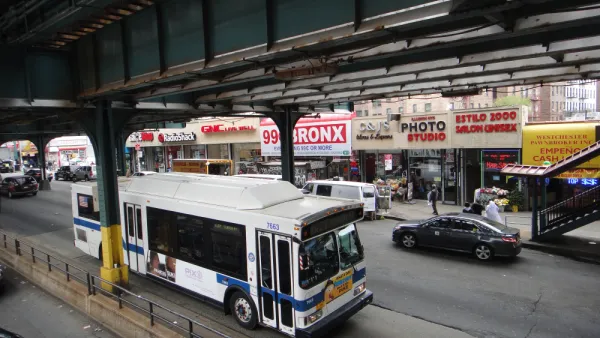
Changes to Local Service in the Bronx Benefit Bus Speeds, Ridership
Another example of how improving bus service design can benefit transit riders and transit systems emerges in New York City. More such local system redesigns are on the way soon in the Big Apple.

Planetizen Federal Action Tracker
A weekly monitor of how Trump’s orders and actions are impacting planners and planning in America.

California plans to bury El Niño’s downpour
If the state plays its cards right, it may be able to store a billion acre-feet of El Niño’s water in aquifers.

Chicago breaks ground on $3 billion megadevelopment
The new neighborhood, titled Foundry Park, will one day host 3,700 residences.

Satanic place names
From streams and lakes to valleys and canyons, I mapped more than 1,000 places named after the Devil.

California High-Speed Rail Authority CEO resigns after $600,000 scandal
Under Ian Choudri, the authority used taxpayer dollars to fund first class flights and trips to nightclubs.

Want to study the Missouri River? Soon, you may need unanimous approval from 10 states
Legislation would require 10 governors’ permission to study or build projects moving water outside the basin.

FREE Course: Walkable City 1: Why Walkability?
After describing his path towards focusing on walkability as the essence of good planning, Jeff Speck marches through his five principal reasons for making more walkable places.
Reinventing Malls: Planning Alchemy—Turning Gray Fields Into Gold
The course focuses on the opportunities and imperatives that shape reinvention of mall sites.

City of Rosemead
Rutgers University, Edward J. Bloustein School of Planning and Public Policy
One Hundred Miles
Hunter College, City University of New York (CUNY)
The Architects Foundation
University of Cincinnati Online
City of Cambridge
Montrose County
The Pocatello Development Authority