The country's aging water infrastructure is growing more wasteful and expensive to fix with every year. What will it take to re-engineer our drinking water supplies?


David Schaper examines the state of water infrastructure—especially how much drinking water is lost due to aged infrastructure: "Imagine Manhattan under almost 300 feet of water. Not water from a hurricane or a tsunami, but purified drinking water — 2.1 trillion gallons of it….That's the amount of water that researchers estimate is lost each year in this country because of aging and leaky pipes, broken water mains and faulty meters."
Schaper goes on to examine a couple high profile instances of busted and inefficient water systems and cite studies about the state of water infrastructure:
- "A recent study by Gallet's group and the Chicago Metropolitan Agency for Planning found the Chicago area alone is losing 22 billion gallons of treated water per year through leaky pipes."
- "The Chicago-based Center for Neighborhood Technology, a nonprofit focused on sustainability, recently put out a report that estimates 'about 6 billion gallons of water per day may be wasted in the U.S.'"
- An American Water Works Association study that estimates a program necessary to repair the country's water infrastructure would cost $1 trillion.
FULL STORY: As Infrastructure Crumbles, Trillions Of Gallons Of Water Lost

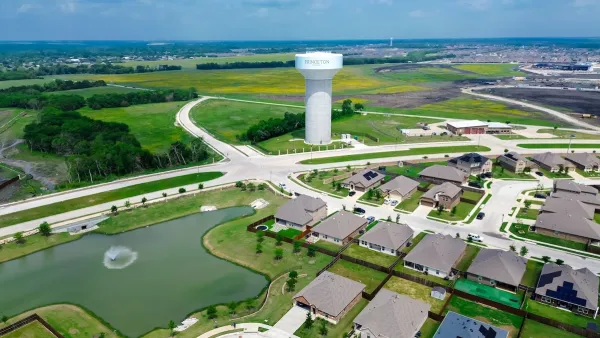
A 'Grim Diagnosis': Houston's Suburbs are Running out of Water
Rapidly growing cities are struggling to build out water infrastructure to meet the needs of new residents.
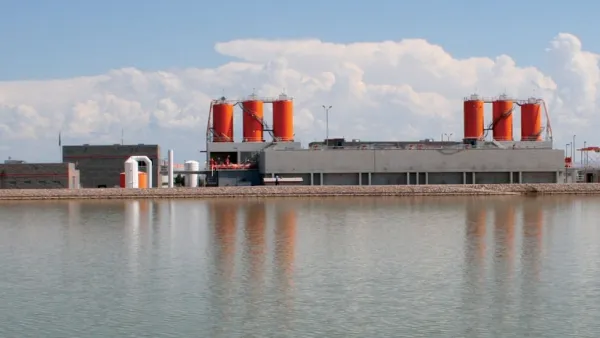
El Paso Wastewater Purification Facility Breaks Ground
As water supplies become strained and technology advances, cities look to wastewater as a viable source of drinking water.
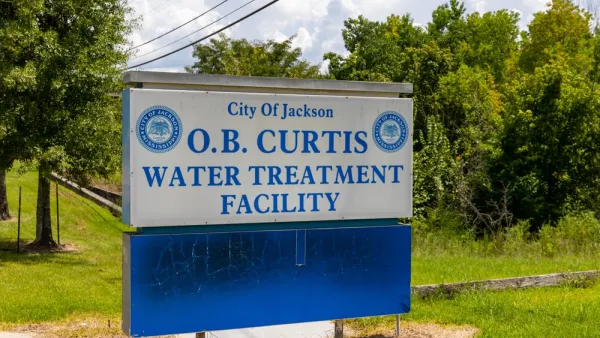
Mississippi Investigated for Civil Rights Violations in Jackson Water Crisis
The NAACP has accused a pair of Mississippi departments of discrimination against Black Mississippians, leading to the loss of drinking water in the state's capital city at the end of the summer.

The state-sanctioned urbicide of Austin
People don’t kill cities. Freeways do.

US to reduce Colorado River water deliveries to Mexico
A new Colorado Treaty amendment reduces Mexico’s Colorado River water allocation by 250,000 acre feet.

New Jersey’s second-largest city bans standalone data centers
Jersey City will continue to allow co-location facilities, such as those meant for research institutions that store their own data.

Amtrak not solely to blame for New Jersey commuter rail's unreliability, report finds
A new study from the Garden State Initiative found that NJ Transit’s budget grew 20% across a 4 year period, but reliability declined significantly over the same period.

EPA erases limits on planet-warming pollution from power plants
Under Monday’s plan, power plants would still have some limits on how much mercury, arsenic and other contaminants they can emit.

Phoenix announces new on-demand transit service, more frequent RAPID buses
Both new services will launch in October, and are part of Phoenix's Project Effective Access Solutions for Easing Congestion.

FREE Course: Walkable City 1: Why Walkability?
After describing his path towards focusing on walkability as the essence of good planning, Jeff Speck marches through his five principal reasons for making more walkable places.
Reinventing Malls: Planning Alchemy—Turning Gray Fields Into Gold
The course focuses on the opportunities and imperatives that shape reinvention of mall sites.

Eagle County Government
Harvard University Graduate School of Design
Nashville Planning Department
The Architects Foundation
University of Cincinnati Online
The Pocatello Development Authority
The Urban Renewal Agency of the City of Pocatello
Journal of the American Planning Association