A pair of recent articles examine the political and financing situation around transit (e.g., streetcar and light rail) and housing (i.e., a rental development boom) in Charlotte, which has paced the nation in growth over the past decade.


Jessica Leber writes for FastCo.Exist about the city’s status as a “poster child for sprawl” and the long commute and travel distances that residents suffer as a result. According to Leber, Charlotte’s new mayor, Patrick Cannon, supports increasing the local sales tax to fund the Charlotte 2030 transit plan.
Eric Frazier writes for the Charlotte Observer of growing concerns from market analysts that Charlotte has overbuilt rental housing. “Much of the new apartment growth is coming in and near uptown Charlotte, in areas such as the South End, SouthPark, NoDa and Elizabeth neighborhoods,” reports Frazier. Moreover, “the city’s apartment development pipeline as ‘very active,’ with more than 8,100 units under construction and nearly 12,000 more proposed.” Supply is expected to exceed demand within a year, although experts also see long term strength in the market.
Read the full story: Can A Sprawling Southern City Remake Its Transit Networks?


HOAs Fight Back Against Institutional Investors
A growing number of homeowners associations around the country are using old legal tools to keep institutional investors from buying up, and renting out, the neighborhood.

Is Charlotte Overselling Plan to Expand Transit?
Even if voters approve a new one-cent transit sales tax, will Charlotte be able to deliver on its promise of two new commuter rail lines and a new bus rapid transit line?
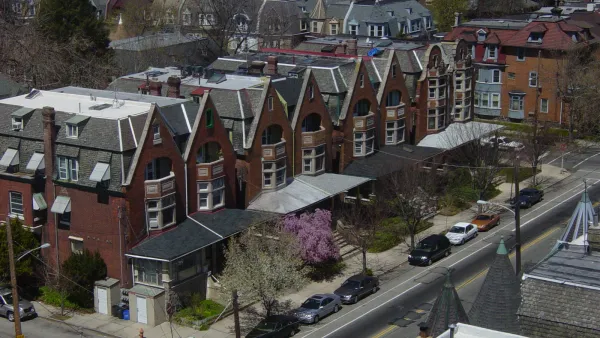
Philadelphia on Track to Build Record Number of Apartments in 2022
A researcher from the Lindy Institute for Urban Innovation at Drexel University tells a tale of two housing markets—rental and for-sale—in the City of Brotherly Love.

Planetizen Federal Action Tracker
A weekly monitor of how Trump’s orders and actions are impacting planners and planning in America.

‘Going backwards:’ Baltimore mayor, students rally against state's transit funding plan
Maryland's proposed six-year plan provides no funding for Baltimore’s BMORE bus program and reduces its road maintenance funding.

Detroit to transform waterfront with $2.2 billion investment
Developers will convert about 18 acres of unused parking lot space into civic spaces.

U.S.-Iran war may have ‘devastating’ impact on cost to warm homes
Vermont and Maine residents may see a 76% increase in the cost of warming their homes this winter.

Senate bill would ‘overhaul’ environmental permitting laws
Under the proposed act, government agencies would also not be able to suspend or rescind permits after granting them.

Exemption applications for NYC’s pied-à-terre tax see 55% success rate
The city sent nearly 40% of its initial pied-à-terre tax warnings erroneously.

FREE Course: Walkable City 1: Why Walkability?
After describing his path towards focusing on walkability as the essence of good planning, Jeff Speck marches through his five principal reasons for making more walkable places.
Reinventing Malls: Planning Alchemy—Turning Gray Fields Into Gold
The course focuses on the opportunities and imperatives that shape reinvention of mall sites.

One Hundred Miles
County of Mendocino
planning NEXT
The Architects Foundation
University of Cincinnati Online
Montrose County
Northern Illinois Transit Authority (NITA)
The Pocatello Development Authority