Following unsuccessful attempts to move the Oakland Athletics to San Jose (an area controlled by the San Francisco Giants), team owner Lew Wolff is resistant to a plan to move the team to a waterfront location.


Oakland A’s Owner Lew Wolff has been meeting with Oakland city officials about a plan to build a new stadium as part of a sports an entertainment hub at the current Coliseum complex site near the Oakland International Airport.
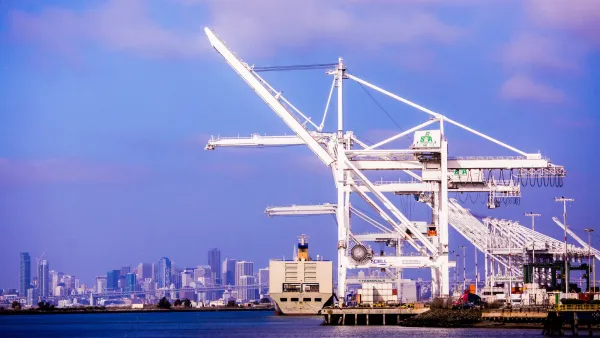
According to the report by Matthew Artz, a team of business leaders hoping to move the team to a picturesque location at a 50-acre waterfront site near Jack London Square is moving ahead with permit requests, despite the continued opposition of Wolff. Architectural renderings for the proposed waterfront stadium include the iconic port cranes (which have become an unofficial symbol of Oakland) located just over the outfield wall between the stadium and the San Francisco Bay.
According to Wolff, the waterfront idea would place the stadium too far from BART. He also notes that the waterfront site would require environmental remediation and at least one significant regulation hurdle: “A stadium at the port also would require state regulators to find that there is no viable maritime use for the property.”
Read the full story: Oakland business leaders press ahead with waterfront ballpark plan
Opinion: No to the Oakland A's Stadium Project
The A’s want to build a new stadium, housing, and office space on waterfront property in Oakland. However, the project would involve massive corporate handouts and threaten the jobs and housing of African-American residents.

Repowered Southern California Natural Gas Power Plant Will Have Lots of Green
Most of the aging 350-megawatt Grayson Power Plant, operated by Glendale Water & Power, will be retired by 2021. The city's utility district has struggled with how to repower it. A compromise reached last month ensures low emissions and reliability.

Oakland A's Propose 6,000 New Homes
On top of plans to build a new ballpark, the Oakland Athletics have proposed developing 6,000 units of housing. Half would be located at the new site near Jack London Square, and the other half at the current Oakland Coliseum site.

Planetizen Federal Action Tracker
A weekly monitor of how Trump’s orders and actions are impacting planners and planning in America.

California plans to bury El Niño’s downpour
If the state plays its cards right, it may be able to store a billion acre-feet of El Niño’s water in aquifers.

Desperate measures: Advocates weigh draining Lake Powell to fill Colorado River
Draining the reservoir could reduce evaporation losses by a couple hundred thousand acre-feet.

Los Angeles just elected an urban planner as its mayor
Transportation analysts are optimistic that Raman will be more aggressive in addressing transit issues than Bass.

Mamdani’s pied-à-terre tax survives legal challenge
A panel of judges found that the plaintiffs failed to demonstrate injury as a result of New York City's implementation of the tax.

Eastern Nebraska is running out of electricity
Data centers and electrification are straining eastern Nebraska’s grid, throttling economic development.

FREE Course: Walkable City 1: Why Walkability?
After describing his path towards focusing on walkability as the essence of good planning, Jeff Speck marches through his five principal reasons for making more walkable places.
Reinventing Malls: Planning Alchemy—Turning Gray Fields Into Gold
The course focuses on the opportunities and imperatives that shape reinvention of mall sites.

City of Rosemead
Rutgers University, Edward J. Bloustein School of Planning and Public Policy
One Hundred Miles
University of Michigan School for Environment and Sustainability (SEAS)
Hunter College, City University of New York (CUNY)
The Architects Foundation
City of Cambridge
Montrose County
The Pocatello Development Authority