New York and Washington D.C. are among the U.S. cities looking to revamp the payment systems for their trains and buses over the next several years. Many will ditch paper and plastic farecards in favor of credit cards and smartphones.


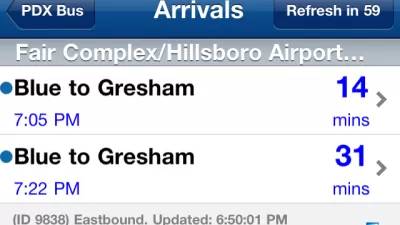
D.C.'s Metro system announced this week that it will begin a pilot program to test "a new electronic fare payment system at rail stations, on buses and at its parking garages," with the goal of transitioning the entire system by 2019, reports Mark Berman. Washington joins New York, Philadelphia, and Chicago in the quest to replace farecards, and even tokens, with "next-generation" fare systems.
As Will Oremus notes in Slate, the transition will allow transit systems to ditch card-vending machines and speed up the boarding process. "On the other hand," adds Oremus, "opportunistic thieves might salivate at the prospect of hordes of commuters having to wave their credit cards and smartphones around every time they want to ride a train or hop a bus."
Read the full story: Washington, New York looking to a future without farecards


Idaho may see an 18% drop in federal surface transit funding — the largest estimated cut in the US
Transit systems in rural communities are much more reliant on federal funding to provide their services.
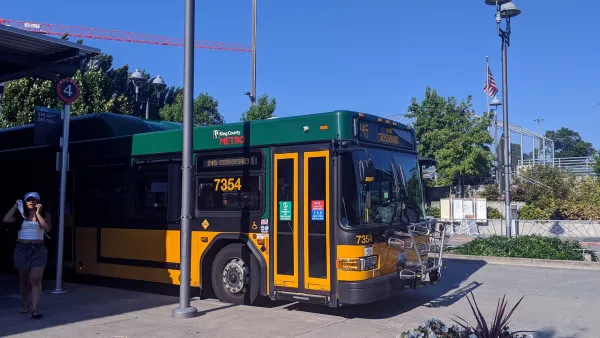
King County Metro adds 3,000 weekly bus trips, more connections to rail
King County Metro and Sound Transit are both making major adjustments to their bus networks to improve light rail connectivity across the region.
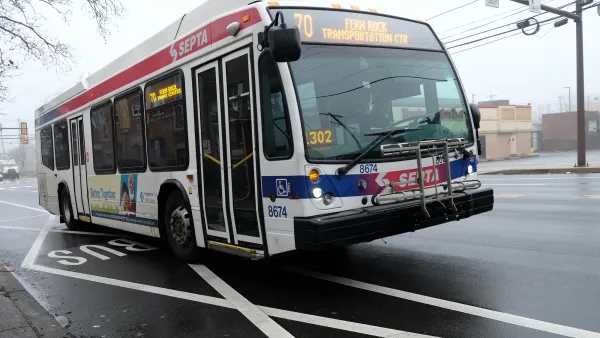
Pennsylvania lawmaker wants to ban fully self-driving buses
State Rep. Ben Waxman's proposed bill would require autonomous buses to have a licensed driver on board.

Planetizen Federal Action Tracker
A weekly monitor of how Trump’s orders and actions are impacting planners and planning in America.

‘Going backwards:’ Baltimore mayor, students rally against state's transit funding plan
Maryland's proposed six-year plan provides no funding for Baltimore’s BMORE bus program and reduces its road maintenance funding.

Detroit to transform waterfront with $2.2 billion investment
Developers will convert about 18 acres of unused parking lot space into civic spaces.

U.S.-Iran war may have ‘devastating’ impact on cost to warm homes
Vermont and Maine residents may see a 76% increase in the cost of warming their homes this winter.

Senate bill would ‘overhaul’ environmental permitting laws
Under the proposed act, government agencies would also not be able to suspend or rescind permits after granting them.

Exemption applications for NYC’s pied-à-terre tax see 55% success rate
The city sent nearly 40% of its initial pied-à-terre tax warnings erroneously.

FREE Course: Walkable City 1: Why Walkability?
After describing his path towards focusing on walkability as the essence of good planning, Jeff Speck marches through his five principal reasons for making more walkable places.
Reinventing Malls: Planning Alchemy—Turning Gray Fields Into Gold
The course focuses on the opportunities and imperatives that shape reinvention of mall sites.

One Hundred Miles
County of Mendocino
planning NEXT
The Architects Foundation
University of Cincinnati Online
Montrose County
Northern Illinois Transit Authority (NITA)
The Pocatello Development Authority