By "protecting" San Francisco's physical character through down-zoning and NIMBY activism, the city has transformed its social character, as families, young adults, and others flee the city to find cheaper rents. A regional solution is required.



"My friends keep moving to Oakland," observes Gabriel Metcalf, the executive director of SPUR. "Gone from San Francisco for greener pastures and cheaper rents, because it’s just gotten too hard, by which I really mean too expensive. Their move signals that something has gone terribly wrong in this most progressive of American cities."
Due to several factors, the city simply hasn't produced enough housing to keep up with demand. "There’s a lot of housing under construction now, and for the next couple of years, we’ll see more built," he notes. "But a few years of strong housing production, building out neighborhood plans that the city has worked on for the last two decades, is going to be too little, too late to undo the larger trend."
Yes, policies could be adopted to help increase the amount of units (affordable and otherwise) constructed in the city, but Metcalf argues that a regional solution is necessary to more evenly distribute the growth pressures afflicting San Francisco and other areas.
"We need our own 'metropolitan' strategy that ties the region together in better ways, and creates walkable, diverse communities in more locations," he urges.
FULL STORY: The San Francisco Exodus

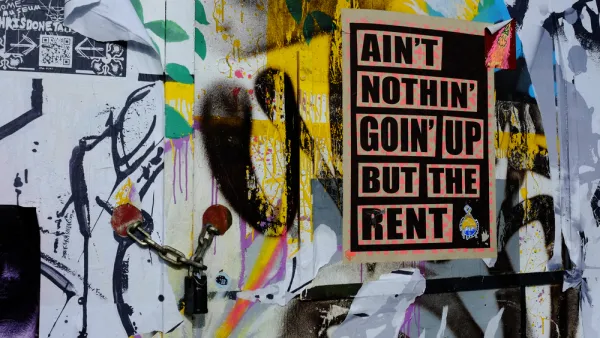
The Rent Gap Theory
Some urbanism commentators suggest that gentrification is the result of a "rent gap" between actual and potential rent. How should this theory affect zoning policy?
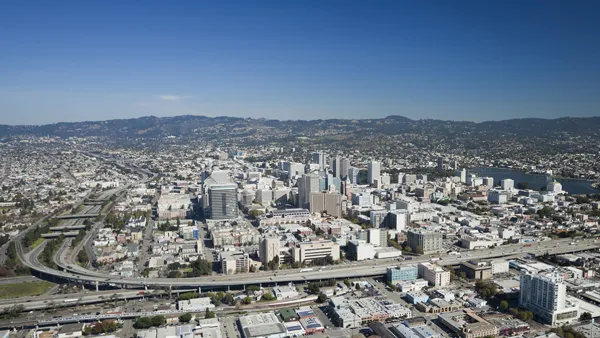
S.F. Bay Area Cooperative Offers New Affordable Housing Model
A California cooperative brings together investors to make homeownership more accessible and finance housing projects that help to slow gentrification.
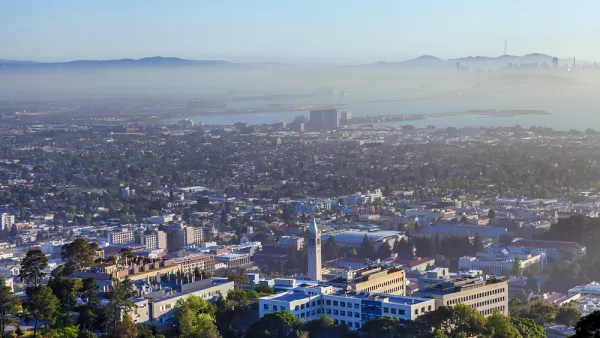
Navigating California's Housing Insanity
One person’s return to the San Francisco Bay Area meant facing the dystopian realities of the rental market.

Planetizen Federal Action Tracker
A weekly monitor of how Trump’s orders and actions are impacting planners and planning in America.

The state-sanctioned urbicide of Austin
People don’t kill cities. Freeways do.

US to reduce Colorado River water deliveries to Mexico
A new Colorado Treaty amendment reduces Mexico’s Colorado River water allocation by 250,000 acre feet.

5 New England states march closer to 800 megawatt wind energy project
Securing federal approval for the project may be complicated under the Trump administration, which has historically been hostile towards domestic wind power.

Baltimore to break ground on $50 million Transit Priority Project
The project will bring faster bus trips, safer streets and better bike connections to Baltimore.

Airbnb launches $250 million 'last-dollar financing' housing accelerator, makes first investment in Austin
The company will put $6.4 million towards affordable housing development in Texas’ capital.

FREE Course: Walkable City 1: Why Walkability?
After describing his path towards focusing on walkability as the essence of good planning, Jeff Speck marches through his five principal reasons for making more walkable places.
Reinventing Malls: Planning Alchemy—Turning Gray Fields Into Gold
The course focuses on the opportunities and imperatives that shape reinvention of mall sites.

Eagle County Government
Harvard University Graduate School of Design
Nashville Planning Department
The Architects Foundation
University of Cincinnati Online
The Pocatello Development Authority
The Urban Renewal Agency of the City of Pocatello
Journal of the American Planning Association