Freeways are disconnected, unwalkable, and have limited access; they are the antithesis of "urban." So we should probably use a different term to describe them, argues Alex McKeag.


"In entering the jurisdiction of cities, did the highways themselves somehow change, evolving to fit the urban context?" asks McKeag. "There is nothing inherently different between a freeway in a city and one outside of a city. Nothing. And attaching the word 'urban' implies a compatibility with the city that simply doesn’t exist."
"Therefore, if by using the term 'urban freeway' we are either legitimizing the freeway as something that belongs in an urban context (somehow positively connoting it is connected and accessible) or suggesting it is a distinctive 'thing' that exists and we need to accept it, then the term needs to change. Remember, freeways don’t belong in cities."
Read the full story: HIGHWAYS TO BOULEVARDS BLOG: The Language of Urban Freeways


Planetizen Federal Action Tracker
A weekly monitor of how Trump’s orders and actions are impacting planners and planning in America.

‘Going backwards:’ Baltimore mayor, students rally against state's transit funding plan
Maryland's proposed six-year plan provides no funding for Baltimore’s BMORE bus program and reduces its road maintenance funding.
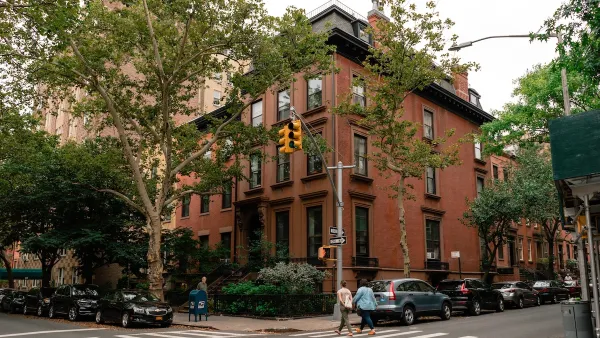
Mamdani sent nearly 6,000 pied-à-terre tax warnings to homes that didn’t qualify
A judge has ordered the administration to cancel thousands of pied-à-terre tax notices after it sent 35% of them erroneously.

Nation sees first electric plane-boat hybrid take off in public demo
The Viceroy Seaglider can fly at speeds of 180mph for up to 180 miles.

One of nation’s poorest counties to receive $6 billion data center
The developers estimate the project will create 200 permanent jobs and 1,000 temporary construction jobs.

MTA expects Trump’s tariffs to increase new NYC transit costs by $1 billion
The Metropolitan Transit Authority said the cost of new subway cars has risen by 30% since Trump began his second term as president.

FREE Course: Walkable City 1: Why Walkability?
After describing his path towards focusing on walkability as the essence of good planning, Jeff Speck marches through his five principal reasons for making more walkable places.
Reinventing Malls: Planning Alchemy—Turning Gray Fields Into Gold
The course focuses on the opportunities and imperatives that shape reinvention of mall sites.

City of Thousand Oaks
City of Wisconsin Rapids
Harvard University Graduate School of Design
The Architects Foundation
University of Cincinnati Online
Northern Illinois Transit Authority (NITA)
The Pocatello Development Authority
The Urban Renewal Agency of the City of Pocatello