In an in-depth article, Robert Samuels examines the "oversights, missteps and missed opportunities" that have turned the New Communities Initiative - imagined as "the centerpiece of the District’s affordable-housing efforts" - into a train wreck.


Yesterday, we looked at what nonprofit groups, faith-based organizations, and local governments are doing right to help create or preserve affordable housing in the D.C. region. Today we bring you a story that explores the pitfalls Washignton D.C. has encountered when it has dreamt big about how to "revitalize a community without replacing it, how to create a place for prosperous newcomers without pushing out poor old-timers."
The subject of this story is The New Communities Initiative, a plan to "marshal hundreds of millions of dollars in public and private investment" to remake the city's Temple Courts neighborhood as a mixed income enclave that "would serve as a template for remaking other violent neighborhoods in the District."
"Instead," says Samuels, "New Communities has shown how hard it is to make affordable housing work in the modern American city and how easy it was to let a program that was the centerpiece of the District’s affordable-housing efforts unravel."
Read the full story: In District, affordable-housing plan hasn’t delivered

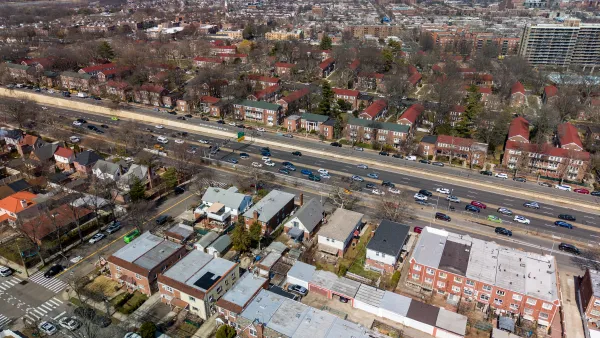
Long Island public housing applicants face longest wait times in America
Applicants to large, medium and small housing authorities in Long Beach all face exceptionally long waiting periods.
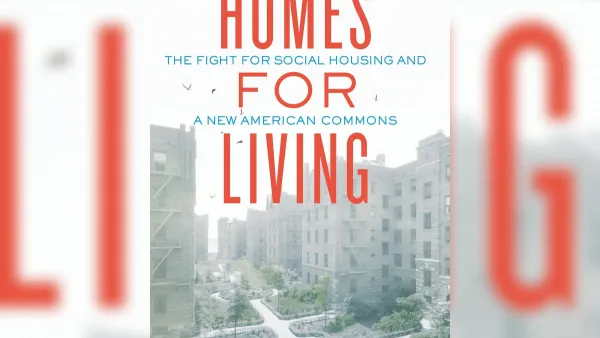
Book review: Co-ops, commons and the conundrum of cashing in on the American dream
Jonathan Tarleton’s "Homes for Living: The Fight for Social Housing and a New American Commons" shows what happens when a loophole in housing legislation opens the door to the privatization of a common good — and when an affordable home suddenly becomes a commodity.

Seattle social housing agency can now issue bonds
The new Seattle Social Housing Developer funds affordable housing through a tax on the city's highest-paying companies.

Planetizen Federal Action Tracker
A weekly monitor of how Trump’s orders and actions are impacting planners and planning in America.

California plans to bury El Niño’s downpour
If the state plays its cards right, it may be able to store a billion acre-feet of El Niño’s water in aquifers.

Chicago breaks ground on $3 billion megadevelopment
The new neighborhood, titled Foundry Park, will one day host 3,700 residences.

California High-Speed Rail Authority CEO resigns after $600,000 scandal
Under Ian Choudri, the authority used taxpayer dollars to fund first class flights and trips to nightclubs.

Want to study the Missouri River? Soon, you may need unanimous approval from 10 states
Legislation would require 10 governors’ permission to study or build projects moving water outside the basin.

Desperate measures: Advocates weigh draining Lake Powell to fill Colorado River
Draining the reservoir could reduce evaporation losses by a couple hundred thousand acre-feet.

FREE Course: Walkable City 1: Why Walkability?
After describing his path towards focusing on walkability as the essence of good planning, Jeff Speck marches through his five principal reasons for making more walkable places.
Reinventing Malls: Planning Alchemy—Turning Gray Fields Into Gold
The course focuses on the opportunities and imperatives that shape reinvention of mall sites.

City of Rosemead
Rutgers University, Edward J. Bloustein School of Planning and Public Policy
One Hundred Miles
Hunter College, City University of New York (CUNY)
The Architects Foundation
University of Cincinnati Online
City of Cambridge
Montrose County
The Pocatello Development Authority