Vancouver's efforts to facilitate accessory dwellings has proven to be popular - perhaps too popular for some residents. As officials prepare to expand the program citywide, they're tweaking it to address concerns with privacy and parking.


"Since the City of Vancouver introduced its laneway housing program in 2009, secondary residences have become the hottest thing going in the neighbourhood near Nanaimo and Broadway," reports Jessica Barrett. "But not everyone has embraced laneway houses, and a slew of proposed changes to the program aims to bring more people on board by addressing privacy and parking concerns and expediting the permit approval process."
"A staff report to be presented to council Wednesday recommends several measures designed to encourage one-storey designs, allow for increased square-footage on some sites and expand the program to all areas in the city zoned for single family residences," she explains.
Read the full story: Report targets parking, privacy concerns

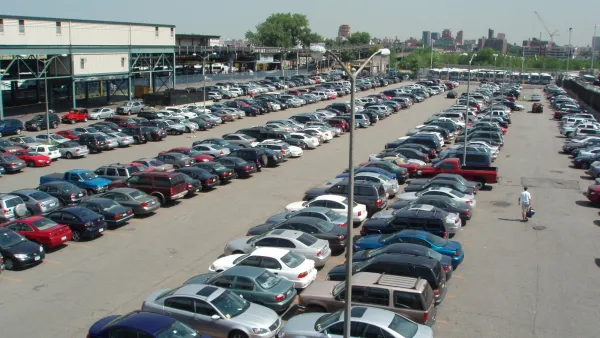
Is the Era of Over-Parking Over?
Cities like Vancouver are rethinking parking minimums as they try to meet climate goals, reduce traffic, and reallocate street space to other modes.
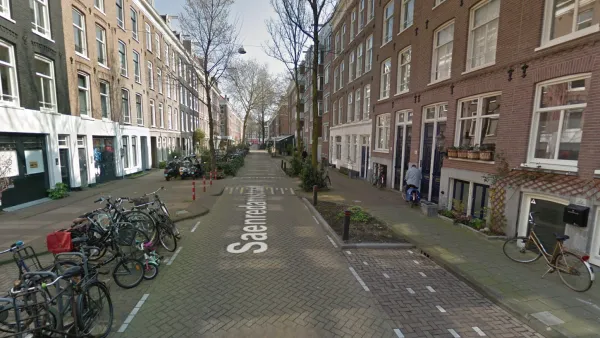
Watch: How to Remove Thousands of Parking Spaces
What the city of Amsterdam will gain by removing cars from on-street parking space.
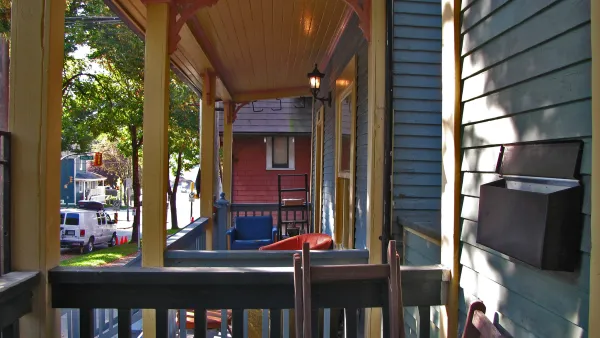
Vancouver May Fast-Track Modular Laneway Homes
The city of Vancouver has emerged as a leader in "laneway" housing: secondary units built onto existing lots, often facing an alleyway. To boost supply, the city may expedite permitting for modular units.

Planetizen Federal Action Tracker
A weekly monitor of how Trump’s orders and actions are impacting planners and planning in America.

Amtrak, CN end decades-long dispute with eight-year agreement
The new operating agreement establishes an updated framework for the companies to work together, including processes to resolve disputes.

Northwest rail fans eager for Sept. 30 debut of Amtrak’s Airo fleet
Get ready for that new train smell and more seats. But they won’t go faster or run more frequently on the Cascades route in Washington and Oregon.

Brightline Florida files for bankruptcy
The transit company is over $5 billion in debt.

St. Louis Metro to test if single-car trains can reduce operating costs, maintain rider satisfaction
The pilot program will run from October to spring 2027, and begin with one single-car train operating on Metrolink’s Red and Blue lines.

Pennsylvania is building data centers in abandoned mines
Housing data centers in mines provides an alternative to destroying local forests and may spare residents from data centers’ noise and air pollution.

FREE Course: Walkable City 1: Why Walkability?
After describing his path towards focusing on walkability as the essence of good planning, Jeff Speck marches through his five principal reasons for making more walkable places.
Reinventing Malls: Planning Alchemy—Turning Gray Fields Into Gold
The course focuses on the opportunities and imperatives that shape reinvention of mall sites.

City of Thousand Oaks
City of Wisconsin Rapids
Harvard University Graduate School of Design
The Architects Foundation
University of Cincinnati Online
The Pocatello Development Authority
The Urban Renewal Agency of the City of Pocatello