They're filled with musty bathrooms and peeling paint, and they're selling in the tens of millions of dollars. Jim Yardley examines New Delhi's real estate boom, which is driven by "ego, status and some unique distortions in India’s economy."


With perhaps only 10,000 properties total in the "leafiest, most prestigious section of the capital, known as Lutyens’ Delhi," which was designed by British architect, Edwin Lutyens, in the early 1900s, "the bungalows built nearly a century ago during the British Raj, are among the highest [priced] in the world," writes Yardley.
"Though India’s economy has cooled, the demand for property in elite areas remains so strong that even finding a house for sale is tricky: formal listings do not exist; prices usually circulate by word of mouth. Transactions often require some 'black' money, or stacks of cash paid under the table to avoid taxes."
"Not surprisingly, as Indian industrialists have amassed great fortunes in recent years, the temptation to buy into a zone where status is so nakedly demarcated and only a few hundred private properties exist has proved irresistible. Property values in the Lutyens’ bungalow zone, as well as in nearby neighborhoods, have appreciated steadily for many years but skyrocketed in the past decade."
Read the full story: Think New York Is Costly? In New Delhi, Seedy Goes for 8 Figures

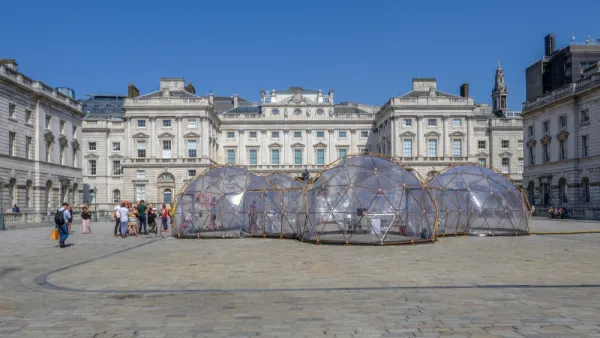
Exhibition Offers a Taste of Air Pollution
A London art exhibit lets visitors experience a simulation of the polluted air from five cities around the world.

3-D Crosswalks Slow Traffic, For a While
Traffic officials around the world are testing 3-D crosswalks in hopes of slowing traffic, and having some success

Planetizen Federal Action Tracker
A weekly monitor of how Trump’s orders and actions are impacting planners and planning in America.

The state-sanctioned urbicide of Austin
People don’t kill cities. Freeways do.

US to reduce Colorado River water deliveries to Mexico
A new Colorado Treaty amendment reduces Mexico’s Colorado River water allocation by 250,000 acre feet.

Nation's most wind-powered state turns to coal as data centers increase energy demand
For the first time in decades, Iowa has increased its generation of coal power.
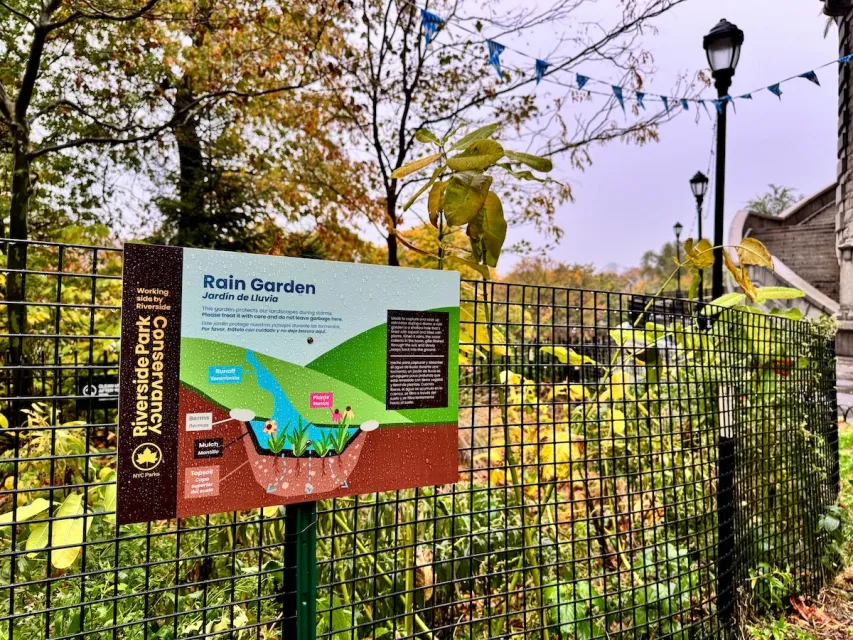
NYC cools commuters with city's first rain garden above a bus stop
New York City officials say the plants in the rain garden can absorb 16 gallons of rainwater during heavy storms.

Brightline West’s future may rely on $6 billion federal loan
The company has until Nov. 2 to make a $400 million equity investment into its proposed high-speed rail line.

FREE Course: Walkable City 1: Why Walkability?
After describing his path towards focusing on walkability as the essence of good planning, Jeff Speck marches through his five principal reasons for making more walkable places.
Reinventing Malls: Planning Alchemy—Turning Gray Fields Into Gold
The course focuses on the opportunities and imperatives that shape reinvention of mall sites.

Greater Baltimore Committee
Eagle County Government
Harvard University Graduate School of Design
The Architects Foundation
University of Cincinnati Online
The Pocatello Development Authority
The Urban Renewal Agency of the City of Pocatello
Journal of the American Planning Association