An infographic from the U.S. Global Leadership Coalition compares U.S. development and aid spending to the annual Super Bowl splurge on ads, food, and security.


Olga Khazan posts the U.S. Global Leadership Coalition's infographic, which is meant to "build awareness among Americans about the important role global development plays in our security, economy, and values,” said Richard Parker, USGLC's communications director. "Granted," writes Khazan, "it’s up for dispute whether more spending on development and diplomacy would be a 'touchdown for America.' And we can’t exactly ship 100 million pounds of chicken wings to Africa. Still, it’s an interesting look at how our international programs compare to one of our national pastimes."
Among the compelling statistics:
- For the cost of one 30-second super bowl ad, 800,000 mosquito bed nets could be purchased.
- The estimated 8,000 volunteers for the Super Bowl is roughly the same as the number of Peace Corps volunteers and trainees globally.
- Security costs to the NFL for the game could secure seven American diplomatic missions.
FULL STORY: Infographic: How Super Bowl and development spending compare


Super Bowl and Seahawks Victory Parade Break Transit Ridership Records in Bay Area and Seattle
Roughly 20 percent of Super Bowl attendees arrived at the stadium by transit.
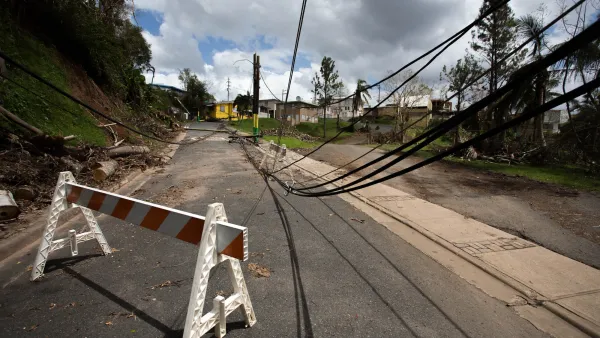
Bad Bunny's Iconic Electrical Pole Moment Highlights Puerto Rico’s Devastating Power Outages
The Reggaeton star’s halftime show included countless nods to his homeland, including a reference to the island’s ongoing power crisis.
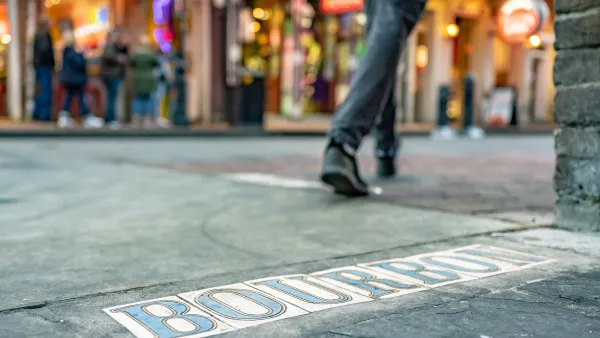
New Orleans Makes Push for Accessibility Improvements Ahead of Super Bowl
Major sporting events like the Olympics and the Super Bowl can serve as catalysts for major changes in transportation infrastructure and accessibility.

Planetizen Federal Action Tracker
A weekly monitor of how Trump’s orders and actions are impacting planners and planning in America.

The state-sanctioned urbicide of Austin
People don’t kill cities. Freeways do.

US to reduce Colorado River water deliveries to Mexico
A new Colorado Treaty amendment reduces Mexico’s Colorado River water allocation by 250,000 acre feet.

Mamdani overhauls NYC's Vision Zero plan with 100 new policy goals
The overhaul aims to reduce traffic deaths and make streets safer for pedestrians, cyclists and drivers through lower speed limits, new safety infrastructure and more.

Amtrak not solely to blame for New Jersey commuter rail's unreliability, report finds
A new study from the Garden State Initiative found that NJ Transit’s budget grew 20% across a 4 year period, but reliability declined significantly over the same period.

EPA erases limits on planet-warming pollution from power plants
Under Monday’s plan, power plants would still have some limits on how much mercury, arsenic and other contaminants they can emit.

FREE Course: Walkable City 1: Why Walkability?
After describing his path towards focusing on walkability as the essence of good planning, Jeff Speck marches through his five principal reasons for making more walkable places.
Reinventing Malls: Planning Alchemy—Turning Gray Fields Into Gold
The course focuses on the opportunities and imperatives that shape reinvention of mall sites.

Eagle County Government
Harvard University Graduate School of Design
Nashville Planning Department
The Architects Foundation
University of Cincinnati Online
The Pocatello Development Authority
The Urban Renewal Agency of the City of Pocatello
Journal of the American Planning Association