What do you get for the smart city that thinks it has everything? Lauren Drell lists the 25 technologies every smart city should have.


If you live in a noted "smart" city like Boston or Copenhagen, or any place interested in adopting technologies to save money and improve the functionality of public services, Drell's list, which runs the gamut from specific innovations pioneered by individual cities to generic best practices, may supply some solid ideas for how to improve city living. Examples include:
- "Apps that let users 'adopt' city property -- trash cans, call boxes, trees, fire hydrants, etc. -- so the city doesn't have to spend money sending personnel to tend to them. Boston and Honolulu already have something similar in place, through Code for America, and these projects make citizens feel more invested in their neighborhood."
-
"App or social media-based emergency alert and crisis response systems -- every citizen should have access to vital information. Whether it's an alert about a crime that just happened or advice for a storm approaching the city."
-
"A city guide app, with information about museums, parks, landmarks, public art, restaurants and real-time traffic data. These apps, like the ones in Baltimore, Ottawa, Charlotte and New Orleans, help citizens and tourists alike improve their experience in the city."
Read the full story: 25 Technologies Every Smart City Should Have

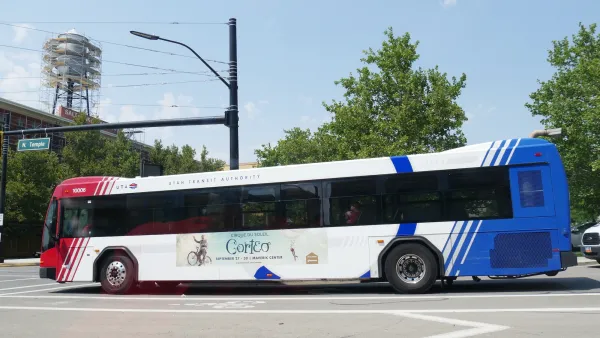
Salt Lake City debuts new bus rapid transit line
The third BRT line in the Utah Transit Authority system connects destinations from Taylorsville to the West Valley.

AI for Planners Explained: Urban Digital Twins
When AI stops talking and starts showing.
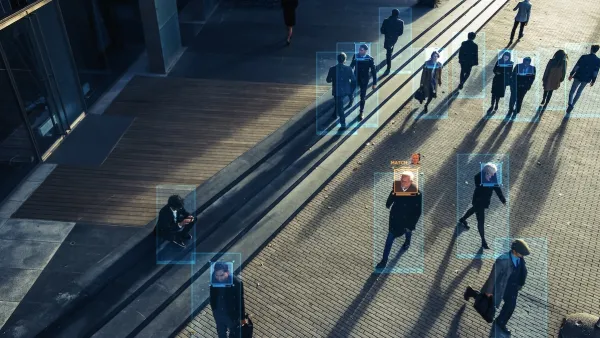
In Planning, the Possibilities With AI are High. So are the Stakes.
Planning history tells us that public trust is both fragile and essential. With AI, the time to set the right course is now.

Planetizen Federal Action Tracker
A weekly monitor of how Trump’s orders and actions are impacting planners and planning in America.

‘Going backwards:’ Baltimore mayor, students rally against state's transit funding plan
Maryland's proposed six-year plan provides no funding for Baltimore’s BMORE bus program and reduces its road maintenance funding.

Detroit to transform waterfront with $2.2 billion investment
Developers will convert about 18 acres of unused parking lot space into civic spaces.

Data center developers are using lawsuits, cash offers to ‘overwhelm’ rural America
Newsrooms in five states worked together to uncover the tactics big tech developers use to buy land from reluctant communities.

U.S.-Iran war may have ‘devastating’ impact on cost to warm homes
Vermont and Maine residents may see a 76% increase in the cost of warming their homes this winter.

Senate bill would ‘overhaul’ environmental permitting laws
Under the proposed act, government agencies would also not be able to suspend or rescind permits after granting them.

FREE Course: Walkable City 1: Why Walkability?
After describing his path towards focusing on walkability as the essence of good planning, Jeff Speck marches through his five principal reasons for making more walkable places.
Reinventing Malls: Planning Alchemy—Turning Gray Fields Into Gold
The course focuses on the opportunities and imperatives that shape reinvention of mall sites.

One Hundred Miles
County of Mendocino
planning NEXT
The Architects Foundation
University of Cincinnati Online
Montrose County
Northern Illinois Transit Authority (NITA)
The Pocatello Development Authority