With the aftermath of Sandy fresh on voters' minds, and the debate about the causes and effects of climate change seemingly reinvigorated, Grist examines whether those forces translated into support for green initiatives across the country.


It's probably a sad reflection of the state of America's political discourse around climate change that mere mention of "the destructive power of a warming planet" in President Obama's victory address last night is enough to warm the hearts of those who believe action must be taken to fight its causes and mitigate its effects. But many are hoping one positive outcome of the devastation wrought by Superstorm Sandy is a re-energized debate about climate change and adaptation.
So, did the winds of Sandy help drive support for "green ballot measures" during yesterday's elections? The results seem to be mixed, reports Lisa Hymas. Voters in Michigan rejected "the most important clean-energy vote" of the election. And, while it may be a stretch to tie Sandy to local elections hundreds and thousands of miles away from the effected areas, it appears that at least one contest may have gotten a boost from the storm. "With images of severe storm and flood damage from the East Coast fresh
in many voters' minds, Seattle residents overwhelmingly approved a $290
million, 30-year bond measure to reconstruct the aging Elliott Bay
seawall," The Seattle Times reported.
Read the full story: Beyond Obama: Here are green ballot measures that won and lost
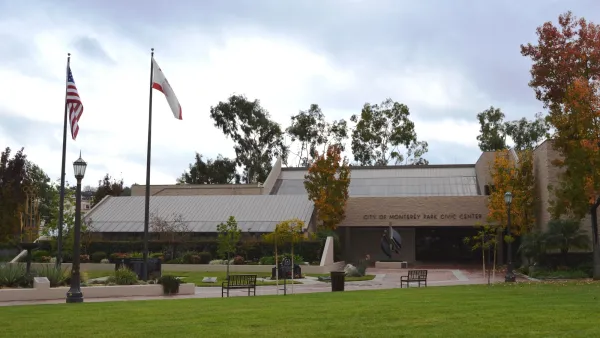
California city permanently bans data centers
A ballot measure to indefinitely ban data centers from Monterey Park was approved by roughly 86% of voters in a special election in June.
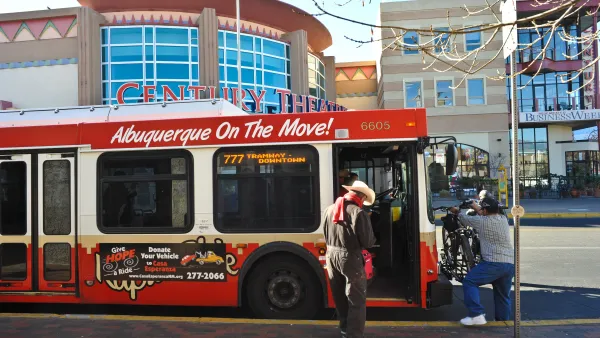
80% of Public Transit Measures Passed in Last Week’s Elections
Around the country, voters said yes to supporting public transit.
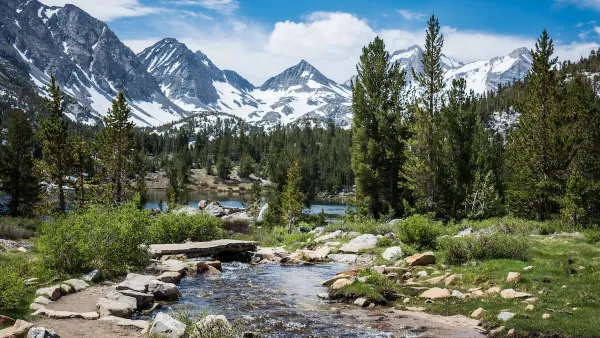
California Approves $10 Billion Bond for Water, Clean Energy, and Environmental Projects
Funds will be used to support water, wildfire prevention, environmental, and park projects, reflecting strong public support for climate resilience.

Planetizen Federal Action Tracker
A weekly monitor of how Trump’s orders and actions are impacting planners and planning in America.

California plans to bury El Niño’s downpour
If the state plays its cards right, it may be able to store a billion acre-feet of El Niño’s water in aquifers.

Desperate measures: Advocates weigh draining Lake Powell to fill Colorado River
Draining the reservoir could reduce evaporation losses by a couple hundred thousand acre-feet.

Chicago voters approve permanent festival grounds, penalty for vacant property owners
Currently, major summer and fall festivals take over public parks for weeks at a time, drawing criticism from nearby residents

NYC votes to cut outdoor dining red tape, speed up permitting
New York City also voted to allow the Department of Transportation to begin work on urgent projects before notifying elected officials.

California appears to reject Prop. 45
The proposition would have expanded the projects that qualify for a streamlined environmental review, effectively paring down the California Environmental Quality Act.

FREE Course: Walkable City 1: Why Walkability?
After describing his path towards focusing on walkability as the essence of good planning, Jeff Speck marches through his five principal reasons for making more walkable places.
Reinventing Malls: Planning Alchemy—Turning Gray Fields Into Gold
The course focuses on the opportunities and imperatives that shape reinvention of mall sites.

City of Rosemead
Rutgers University, Edward J. Bloustein School of Planning and Public Policy
One Hundred Miles
Hunter College, City University of New York (CUNY)
The Architects Foundation
University of Cincinnati Online
City of Cambridge
Montrose County
The Pocatello Development Authority