In an age of increasingly distracted drivers, it's getting ever more hazardous to ply America's urban roads. The eighth annual “America’s Best Drivers Report,” issued by Allstate Insurance, explores exactly which cities are the most dangerous.


Whether explained by its large number of non-native residents or, perhaps, its confusing system of roads planned long before the advent of the horseless carriage, Washington D.C. has the dubious distinction of being home to America's most dangerous drivers.
According to Jim Gorzelany, "Allstate studied the auto insurance claims frequency of America's 200
largest cities and found that residents of our nation's capitol were
found to get into collisions on average once every 4.7 years. This means
they're a whopping 112.1 percent more likely to be party to an accident
than the typical driver in the U.S., who wrecks his or her car once
every 10 years."
"Taken on a state-wide basis, California would seem to have the worst
drivers overall, placing five cities among the top 25, including
Glendale (5), San Francisco (10), Los Angeles (14), Fullerton (16) and
Torrence (22). New Jersey came in a close second with four cities among
the top 25, with Florida and Virginia tied for third with three cities
each."
"Meanwhile, the safest drivers can be found trolling the streets of Sioux
Falls, South Dakota, where the average motorist experiences a collision
only once every 13.8 years, which is 27.6 percent less likely than the
national average. Other top-five safest cities include (in order):
Boise, ID; Fort Collins, CO; Madison, WI and Lincoln, NE."
Read the full story: Cities With The Worst Drivers 2012

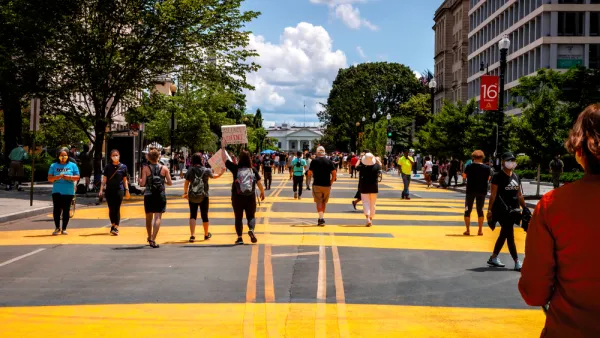
D.C. Revamps its Vision Zero Plan to Eliminate Traffic Fatalities
Washington, D.C. was an early adopter of Vision Zero in the United States, but eventually it became emblematic of the country's lack of progress in reducing traffic collisions.
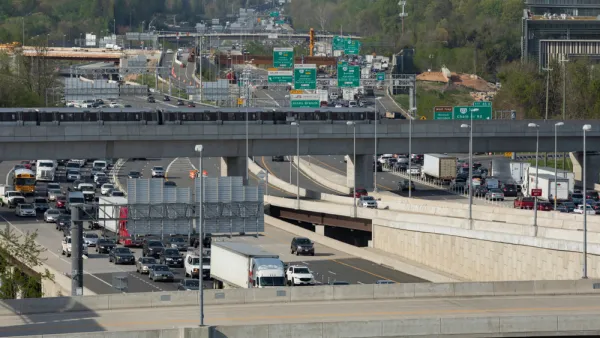
D.C. Region Sets Goal to Reduce GHG Emissions From Transportation 50% by 2030
Transportation is the largest source of greenhouse gas emissions in the D.C. region—and the rest of the country. The D.C. region is committing to drastic actions to change their ways, however.
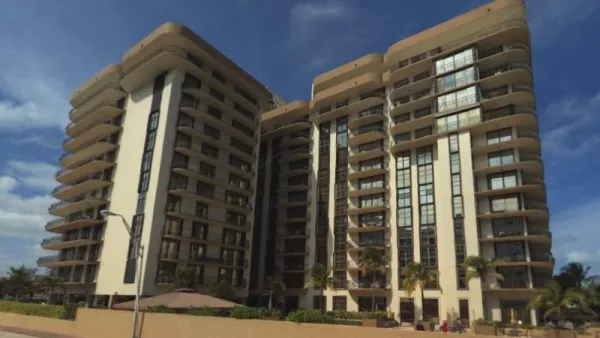
D.C. Adds New Safety Requirement in Wake of Recent Collapses
A series of incidents including the fatal collapse of a condo building in Surfside, Florida have prompted the District to implement safety enhancements to its building safety review.

Planetizen Federal Action Tracker
A weekly monitor of how Trump’s orders and actions are impacting planners and planning in America.

‘Going backwards:’ Baltimore mayor, students rally against state's transit funding plan
Maryland's proposed six-year plan provides no funding for Baltimore’s BMORE bus program and reduces its road maintenance funding.

Detroit to transform waterfront with $2.2 billion investment
Developers will convert about 18 acres of unused parking lot space into civic spaces.

MTA invests $1.1 billion in ‘nearly-impossible’-to-evade fare gates
The new technology marks the Metropolitan Transit Authority's first turnstile redesign in decades.

HUD modernizes 50-year-old manufactured housing framework
The Next Generation Manufactured Housing Action Plan establishes new energy-efficiency standards for manufactured homes, and new guidelines for anchoring them.

New CA housing laws tear down development red tape
Recently-signed legislation makes building starter homes and ADUs cheaper and faster in California.

FREE Course: Walkable City 1: Why Walkability?
After describing his path towards focusing on walkability as the essence of good planning, Jeff Speck marches through his five principal reasons for making more walkable places.
Reinventing Malls: Planning Alchemy—Turning Gray Fields Into Gold
The course focuses on the opportunities and imperatives that shape reinvention of mall sites.

One Hundred Miles
County of Mendocino
planning NEXT
The Architects Foundation
University of Cincinnati Online
Montrose County
Northern Illinois Transit Authority (NITA)
The Pocatello Development Authority