Getting along is much easier when the fronts and backs of buildings are rational: public activities out front, private out back, and a street wall to keep them orderly.


Howard Blackson discusses the challenges of redevelopment, and how much easier sprawl repair is in neighborhoods with land use laws that keep the fronts and backs of buildings in character:
"The overwhelming majority of the issues I see (as a SoCal city's Design Review Boardmember) monthly are redesigns in response to conflicts between neighbors due to a simple confusion between how new and existing buildings should relate to their lots and to each other."
"What magic ingredient would help us avoid neighbor conflicts and enhance the quality of our lives as we settle in and transition together from rural to suburban to urban community character? It appears to be a shared understanding of a building's fronts, sides and backs. As social beings, we live both public and private lives and our habitats reflect such. We have public streets, squares and buildings to spend time in with our neighbors. In addition, we also have private lots, yards and buildings to spend time alone or with family and friends. When those spaces and places are confused by others, it causes anxiety and conflicts."
Thanks to Hazel Borys
FULL STORY: Fronts, Backs, and Everything In Between

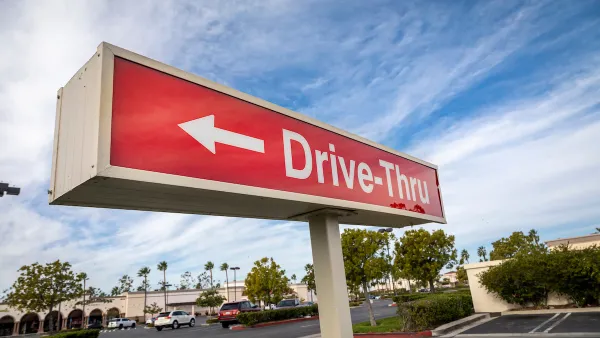
The Resurgence of Drive-Throughs
Dining areas in many fast food restaurants are being replaced with added drive-thru lanes, another post-pandemic impact on our lives benefiting those with four wheels (or more).
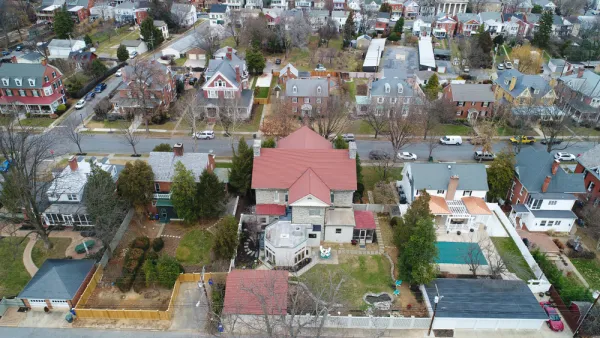
Urban Link: UN Endorses a Uniform Measure for Urbanization
The Penn Institute for Urban Research's latest issue of Urban Link features Lewis Dijkstra writing on the Degree of Urbanisation, the first global definition of cities, towns and rural areas endorsed by the UN.
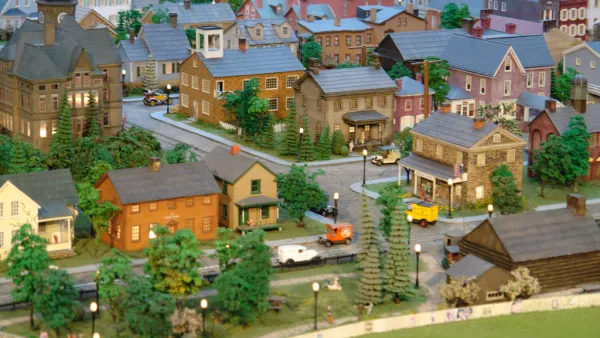
Urban, Suburban, or Rural?
The Pew Research Center digs into a question of definitions, fraught with exceptions and subjectivity.

Planetizen Federal Action Tracker
A weekly monitor of how Trump’s orders and actions are impacting planners and planning in America.

The state-sanctioned urbicide of Austin
People don’t kill cities. Freeways do.

US to reduce Colorado River water deliveries to Mexico
A new Colorado Treaty amendment reduces Mexico’s Colorado River water allocation by 250,000 acre feet.

Mamdani overhauls NYC's Vision Zero plan with 100 new policy goals
The overhaul aims to reduce traffic deaths and make streets safer for pedestrians, cyclists and drivers through lower speed limits, new safety infrastructure and more.

Amtrak not solely to blame for New Jersey commuter rail's unreliability, report finds
A new study from the Garden State Initiative found that NJ Transit’s budget grew 20% across a 4 year period, but reliability declined significantly over the same period.

EPA erases limits on planet-warming pollution from power plants
Under Monday’s plan, power plants would still have some limits on how much mercury, arsenic and other contaminants they can emit.

FREE Course: Walkable City 1: Why Walkability?
After describing his path towards focusing on walkability as the essence of good planning, Jeff Speck marches through his five principal reasons for making more walkable places.
Reinventing Malls: Planning Alchemy—Turning Gray Fields Into Gold
The course focuses on the opportunities and imperatives that shape reinvention of mall sites.

Eagle County Government
Harvard University Graduate School of Design
Nashville Planning Department
The Architects Foundation
University of Cincinnati Online
The Pocatello Development Authority
The Urban Renewal Agency of the City of Pocatello
Journal of the American Planning Association