As China goes car crazy, a new crowdsourcing website seeks to address the needs of Beijing's lowly pedestrians and bicyclists, reports Nate Berg.


Apparently Beijing still does care for its iconic bikes. Despite recent city-building efforts that have focused on "building the highways and roads of a thoroughly car-dependent society," a new crowdsourcing website developed by Beijing Transport Research Center and the World Bank, "seeks to tap into the wisdom of Chinese
pedestrians and cyclists to identify areas in need of repair or
improvement in Beijing," writes Berg.
"It's a Chinese version of urban problem-spotting websites and apps such as SeeClickFix or FillThatHole.
By making it easy for people to identify problems and notify officials,
it's hoped that Beijing's website and mobile application will help make
the infrastructure of the city work not just for its motorists, but for
its still present pedestrians and bicyclists."
Read the full story: China Crowdmaps Pedestrian and Cyclist Problem Areas


In D.C., Sidewalks Don’t Equal Walkability
In theory, sidewalks are what make cities walkable. But in Washington, D.C., many sidewalks are not accessible to the people who use them.

Opinion: A Surprising New Foe in the War Against Pedestrians
Allowing bikes on sidewalks pits cyclists against pedestrians, an advocate argues.
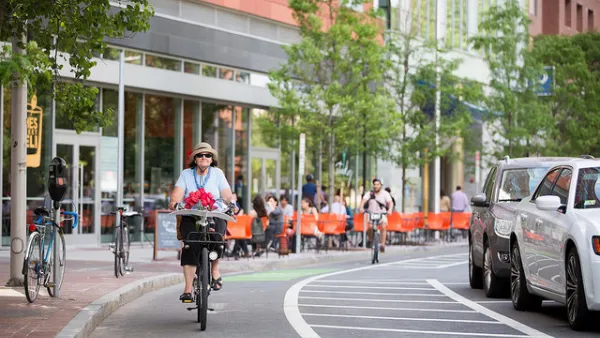
A Non-Cyclist's Case For Bike Lanes
I don't bike, but I still feel safer on streets with bike lanes. This essay explains why.

Planetizen Federal Action Tracker
A weekly monitor of how Trump’s orders and actions are impacting planners and planning in America.

‘Going backwards:’ Baltimore mayor, students rally against state's transit funding plan
Maryland's proposed six-year plan provides no funding for Baltimore’s BMORE bus program and reduces its road maintenance funding.

Detroit to transform waterfront with $2.2 billion investment
Developers will convert about 18 acres of unused parking lot space into civic spaces.

Data center developers are using lawsuits, cash offers to ‘overwhelm’ rural America
Newsrooms in five states worked together to uncover the tactics big tech developers use to buy land from reluctant communities.

U.S.-Iran war may have ‘devastating’ impact on cost to warm homes
Vermont and Maine residents may see a 76% increase in the cost of warming their homes this winter.

Senate bill would ‘overhaul’ environmental permitting laws
Under the proposed act, government agencies would also not be able to suspend or rescind permits after granting them.

FREE Course: Walkable City 1: Why Walkability?
After describing his path towards focusing on walkability as the essence of good planning, Jeff Speck marches through his five principal reasons for making more walkable places.
Reinventing Malls: Planning Alchemy—Turning Gray Fields Into Gold
The course focuses on the opportunities and imperatives that shape reinvention of mall sites.

One Hundred Miles
County of Mendocino
planning NEXT
The Architects Foundation
University of Cincinnati Online
Montrose County
Northern Illinois Transit Authority (NITA)
The Pocatello Development Authority