Tanya Powley and Lucy Warwick-Ching examine the growing market in super-prime homes for the global "super-rich", and its negative impact on local communities.


The increasing domination of high-end housing markets around the world by the state-less super rich (as much as 95 per cent of the expensive homes in Paris, and 85 per cent in London are owned by international buyers), "has also resulted in a number of knock-on social consequences for the domestic populations of these emerging global cities," note Powley and Warwick-Ching.
"The problem is that these super-prime areas have a high proportion of second, third, or fourth homes that are left vacant for periods of the year as their owners move from one exclusive destination to another. These individuals will spend a few months in St Moritz, before moving to their trophy mansion in London, and then on to their luxury villa in Sardinia for the summer months."
"Critics argue that these buyers aggravate the housing shortages prevalent in these cities while spending less in the local economy than permanent residents. [Socioligist Saskia] Sassen says in some extreme cases poorer local residents can start to develop a sense of distance from their city."
Read the full story: Stateless and super-rich

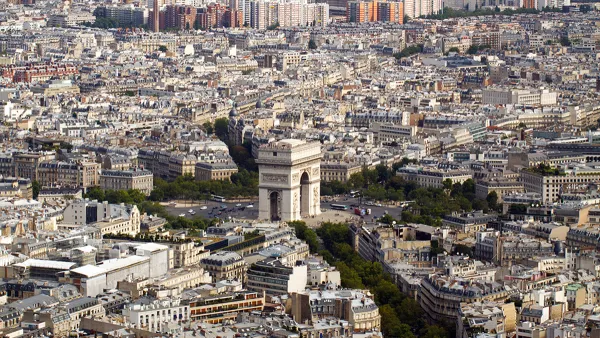
From Paris to Portland: The 15-Minute City Goes Mainstream
Raising the bar on the 20-minute neighborhood model, cities around the world are embracing the appeal of the 15-minute city during the coronavirus pandemic.
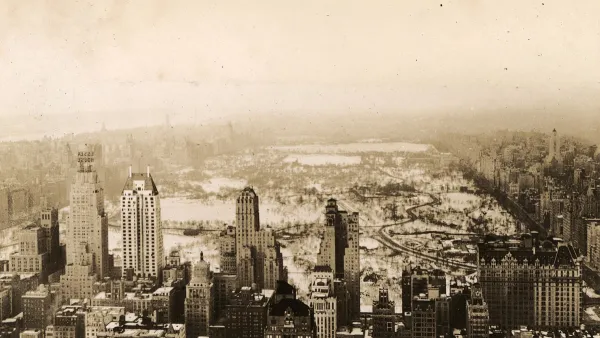
Design in the Time of Cholera: How Pandemics Reshaped the Built Environment
Some of the most beloved public parks and essential advances in public sanitation can be traced back to their roots in the Cholera outbreaks in the 1800s.
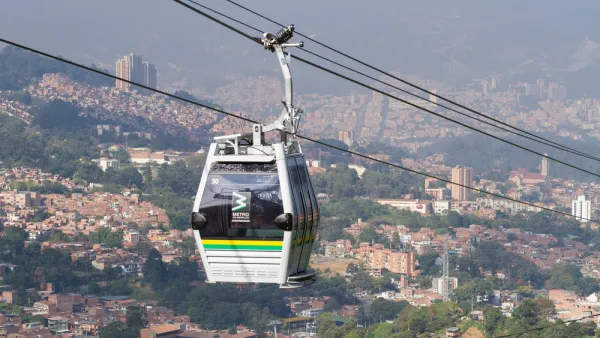
On Public Transit, Some of the World’s Best Sightseeing
From Los Angeles to Hong Kong to Sydney, the best—and the cheapest—views are on ferries, buses, trains, and gondolas.

Planetizen Federal Action Tracker
A weekly monitor of how Trump’s orders and actions are impacting planners and planning in America.

Amtrak, CN end decades-long dispute with eight-year agreement
The new operating agreement establishes an updated framework for the companies to work together, including processes to resolve disputes.

Judges permit Denver to divert 77,000 acre feet from the Colorado River for reservoir expansion
Overuse and climate change have caused the Colorado River’s water levels to plummet.

Atlanta City Council unanimously backs $3.5 billion Beltline light rail project
The resolution was drafted after Atlanta Mayor Andre Dickens pulled support for the Atlanta Streetcar extension last year.

SEPTA to bring nearby frequent transit to over 1 million new riders as part of decade-long plan
The agency's Accelerate plan will also bring frequent transit to twice the amount of jobs that are currently located near it.

NYC plants over 18,000 trees, the most new foliage in a decade
Many of the trees were planted in communities vulnerable to extreme heat.

FREE Course: Walkable City 1: Why Walkability?
After describing his path towards focusing on walkability as the essence of good planning, Jeff Speck marches through his five principal reasons for making more walkable places.
Reinventing Malls: Planning Alchemy—Turning Gray Fields Into Gold
The course focuses on the opportunities and imperatives that shape reinvention of mall sites.

City of Thousand Oaks
City of Wisconsin Rapids
Harvard University Graduate School of Design
The Architects Foundation
University of Cincinnati Online
The Pocatello Development Authority
The Urban Renewal Agency of the City of Pocatello