A distinguished panel of architectural critics gathered this past week at the Center for Architecture, in New York, to discuss “Architectural Criticism Today.” Julie V. Iovine presents some choice excerpts from the two-hour conversation.


Hosted by The Architect's Newspaper, Oculus, and AIANY's Marketing and PR committee, the discussion gathered some of the preeminent architectural writers working today to reflect on the state of their profession. The panel included architecture critics Justin Davidson of New York magazine and Paul Goldberger of The New Yorker; Cathleen McGuigan, editor in chief of Architectural Record; and James Russell, the architecture columnist at Bloomberg.
While the highlights that Iovine includes are generally fascinating, of particular interest was this exchange regarding the movement away from covering celebrity architecture.
James Russell: "I think the readership has lost interest in the celebrity architect. They see that the glamorous buildings by "glamorous architects" are not really part of their economic reality. They might be thinking, why are architects doing these glam buildings instead of public housing? What a lot of people don't understand is that someone has to hire the architects to do that work, and if no one is hiring them, they can't do that kind of work."
Cathleen McGuigan: "I think people are a little more sophisticated about the public realm than we give them credit for. I think it's a change that happened with the outpouring of response and interest in New York after 9/11. I went to some of those Imagine New York meetings at the Municipal Art Society and it was powerful to see people coming out on weekends to sit there for hours. It said something about the public at large and their caring about these issues."
Paul Goldberger: "You're right, although it took 9/11 to bring that to the fore. And since then we have seen it fade. For about two years afterwards, I was told I could write as much and as long as I wanted about architecture. But before and since that period, it's been the usual fight for space with all the other competing cultural areas...To go back to the subject of the object building. I think readers very much want more than that. They are in fact profoundly interested in how the city works and how it affects their lives."
The event last week was the first in a series on architecture and the media hosted by the Center for Architecture. Up next on May 3 is Design Reportage: The Business Press and General Interest Media.
Read the full story: Q+A> Architecture Criticism Today

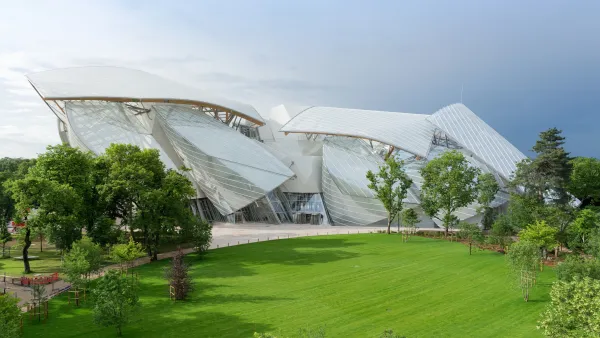
Op-Ed: Starchitecture Fails the Future
An addiction to spectacle and fad, says Peter Buchanan, has set architecture adrift in a sea of meaningless forms. And real design problems go ignored.

Draft Los Angeles River Master Plan Revealed
A new draft Los Angeles Master Plan, created by Frank Gehry's firm, lays out a more active, natural vision for the river, in addition to addressing concerns about displacement in communities along the river corridor.
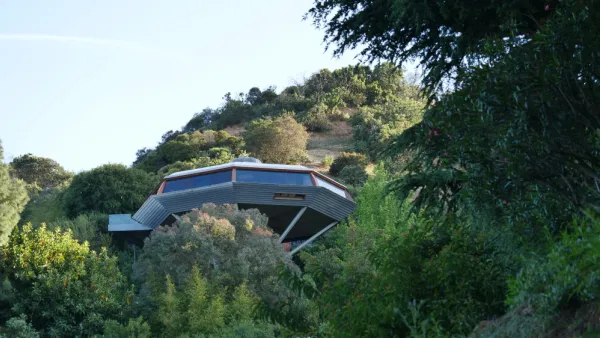
Homes Designed by Starchitects Face a Sluggish Resale Market
Value is in the eye of the beholder.

Planetizen Federal Action Tracker
A weekly monitor of how Trump’s orders and actions are impacting planners and planning in America.

Amtrak, CN end decades-long dispute with eight-year agreement
The new operating agreement establishes an updated framework for the companies to work together, including processes to resolve disputes.

Judges permit Denver to divert 77,000 acre feet from the Colorado River for reservoir expansion
Overuse and climate change have caused the Colorado River’s water levels to plummet.

Boston has spent millions making the Green Line more accessible — and there’s no end in sight
While the city has invested millions into expanding and adding platforms to the Green Line to make it more accessible, new train cars set to arrive next year will be too tall for disabled passengers to board without raising the current platforms.

Idaho may see an 18% drop in federal surface transit funding — the largest estimated cut in the US
Transit systems in rural communities are much more reliant on federal funding to provide their services.

How ‘post-disaster gentrification’ alters neighborhoods after natural calamities
After hurricanes, fires or other calamities, the original residents of a community are often replaced by younger, wealthier residents.

FREE Course: Walkable City 1: Why Walkability?
After describing his path towards focusing on walkability as the essence of good planning, Jeff Speck marches through his five principal reasons for making more walkable places.
Reinventing Malls: Planning Alchemy—Turning Gray Fields Into Gold
The course focuses on the opportunities and imperatives that shape reinvention of mall sites.

Harvard University Graduate School of Design
KFH Group Inc.
Greater Baltimore Committee
The Architects Foundation
University of Cincinnati Online
The Pocatello Development Authority
The Urban Renewal Agency of the City of Pocatello