Pat Doyle reports on a new effort to reduce nuisances at a Minneapolis area light-rail station by using offensive music -- classical music in this case -- as a deterrent.


According to Doyle, "The Metro Transit system has turned on great composers in hope of turning off loiterers, vagrants and other troublemakers attracted to the station. 'If it encourages some people to wander away because it's not their favorite type of music, I guess that's OK,' said Acting Transit Police Chief A.J. Olson."
Interestingly, this concept is not novel. Doyle reports that the campaign is modeled on a similar program implemented in Portland, and is being combined in Minneapolis with other efforts to improve safety at the Lake Street station on the Hiawatha line.
While this crime deterrent method is getting approval from the police, it's not sitting well with classical music enthusiasts. "Classical music lovers hate the fact that urban planners use classical music to disperse youth," according to Minneapolis City Council Member Gary Schiff.
Read the full story: Transit officials looking to Ludwig and his posse for help
Want Happiness? Live Near Transit
According to a study by U. of Minn's Jason Cao published in the journal, Transportation, there is a positive correlation between living near light rail transit and satisfaction with life. He based it on the Hiawatha light rail line in Minneapolis.
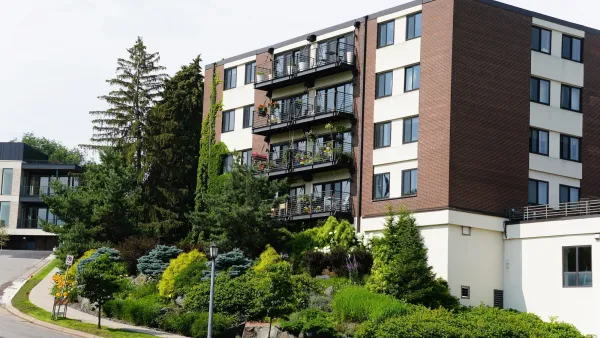
How policy changes helped Minneapolis beat rent inflation
Despite a boom in population, Minneapolis has managed to keep rents relatively steady through a combination of legislative action and private investment.
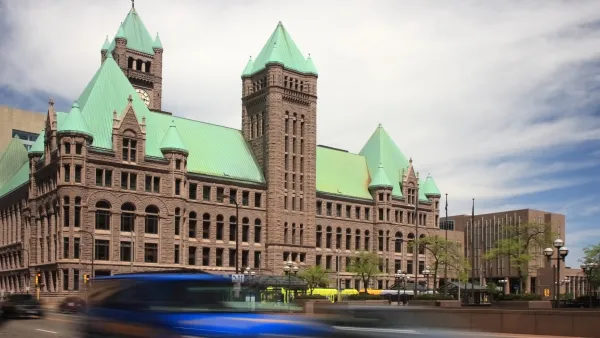
Minneapolis ordinance would halt new data centers for 5 months
The city council approved the temporary moratorium, which now heads to the mayor's desk.

Planetizen Federal Action Tracker
A weekly monitor of how Trump’s orders and actions are impacting planners and planning in America.

California plans to bury El Niño’s downpour
If the state plays its cards right, it may be able to store a billion acre-feet of El Niño’s water in aquifers.

Desperate measures: Advocates weigh draining Lake Powell to fill Colorado River
Draining the reservoir could reduce evaporation losses by a couple hundred thousand acre-feet.

US buildings threatened, destroyed by fires set to triple by 2060
Researchers found a high fire risk for socioeconomically vulnerable neighborhoods in the American West.

LA residents may be allowed to paint their own crosswalks
Councilwoman Katy Yaroslavsky put out a motion instructing the Los Angeles Department of Public Transportation to study the feasibility of allowing volunteers to paint crosswalks.

Dallas moves to overhaul its zoning code
The city's zoning reform will allow more multi-family and mixed-use developments.

FREE Course: Walkable City 1: Why Walkability?
After describing his path towards focusing on walkability as the essence of good planning, Jeff Speck marches through his five principal reasons for making more walkable places.
Reinventing Malls: Planning Alchemy—Turning Gray Fields Into Gold
The course focuses on the opportunities and imperatives that shape reinvention of mall sites.

City of Rosemead
Rutgers University, Edward J. Bloustein School of Planning and Public Policy
One Hundred Miles
Hunter College, City University of New York (CUNY)
The Architects Foundation
University of Cincinnati Online
City of Cambridge
Montrose County
The Pocatello Development Authority