It's been more than 50 years since Boston's old West End was demolished, so why does the neighborhood still have its own newspaper, museum, and weekly gatherings?


Robert Campbell writes about this truly unique "place", and the myriad lessons it can provide for architects and city planners.
"We forget that to experience a building or a neighborhood richly, we need to hear it, smell it, taste it (even the air has a taste, a humidity, a temperature), touch it (as we move our hands over the rough surfaces of old buildings), and experience it spatially as we move through it. The old West End was a feast for all the senses."
"If the old West End was anything, it was such a memory palace. The tightly packed streets and buildings were rich with incident and detail. There were lots of hooks on which to hang your memories. The neighborhood's intricacy supplied a zillion clues. You didn't have to consciously memorize, of course. You couldn't help remembering."
Read the full story: Boston’s old West End persists as a ‘palace’

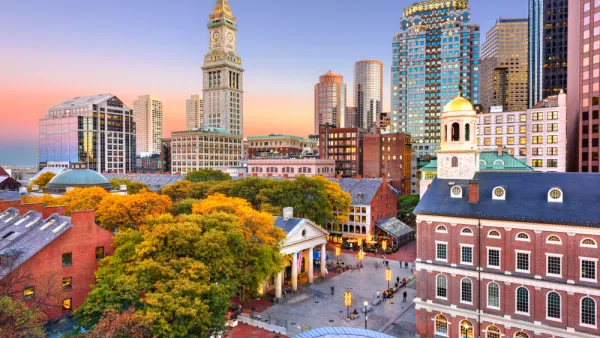
Rethinking Place Governance to Advance Equitable Development
The Boston Foundation's first Place Leadership Network process offers lessons in how to build place-based coalitions to advance the cause of equity.
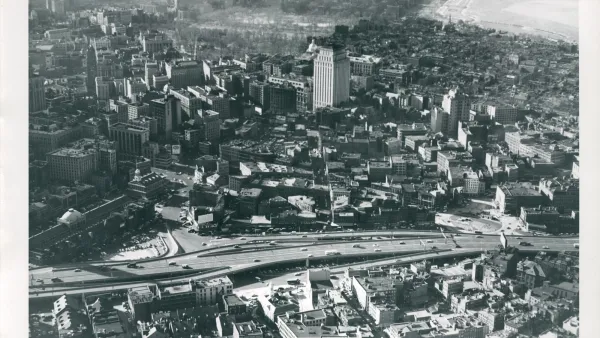
Watch: The Dark Side of Eminent Domain
In cities like Boston, the government’s right to take private property displaced residents and destroyed vulnerable neighborhoods and communities.
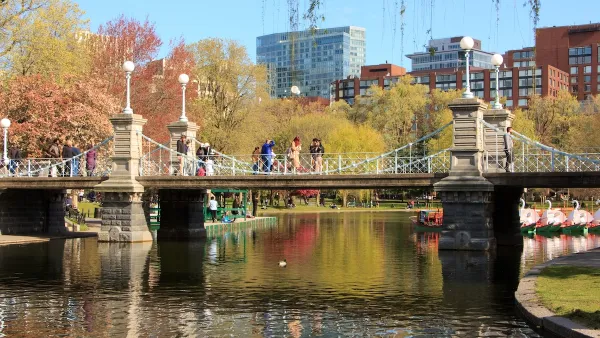
Boston sues Trump administration over revoked infrastructure grant
The Trump administration withdrew the infrastructure grant because less than 1% of the money would go to electric vehicle charging infrastructure.

Planetizen Federal Action Tracker
A weekly monitor of how Trump’s orders and actions are impacting planners and planning in America.

‘Going backwards:’ Baltimore mayor, students rally against state's transit funding plan
Maryland's proposed six-year plan provides no funding for Baltimore’s BMORE bus program and reduces its road maintenance funding.

Detroit to transform waterfront with $2.2 billion investment
Developers will convert about 18 acres of unused parking lot space into civic spaces.

Less housing, wasted money: study reveals impact of city parking mandates
The study found that 71% of carless households in the United States pay for a parking space they don’t use.

Minnesota seeks to replace fraud-ridden Housing Stabilization Services with new program
Federal prosecutors have charged over a dozen people in fraud cases involving at least $26 million.

A multi-billion dollar problem is brewing under Oakland’s streets
Oakland’s stormwater drainage systems are in desperate need of upgrades and repairs. The El Niño will only further strain the city’s infrastructure.

FREE Course: Walkable City 1: Why Walkability?
After describing his path towards focusing on walkability as the essence of good planning, Jeff Speck marches through his five principal reasons for making more walkable places.
Reinventing Malls: Planning Alchemy—Turning Gray Fields Into Gold
The course focuses on the opportunities and imperatives that shape reinvention of mall sites.

One Hundred Miles
County of Mendocino
planning NEXT
The Architects Foundation
University of Cincinnati Online
Montrose County
Northern Illinois Transit Authority (NITA)
The Pocatello Development Authority