In San Francisco, almost one out of every six acres is slated to become parkland in the new urban infill projects in Mission Bay.


According to Peter Harnik, the 303-acre site was a former industrial area, port rail terminal and warehousing center that suffered through decades of decline." Once the redevelopment project is complete, he states that the area will have 6,000 residential units, 6 million square feet of commercial space, a hotel, a university campus, retail – and 49 acres of new parkland.
Currently, Mission Creek Sports Courts is a 3-acre new park that is the first to come from this giant project. Harnik says that "the park contains courts for basketball, volleyball and tennis, a dog run, a small boat launch for human-powered vessels (kayaks and canoes), a walkway, a bikeway, and a multipurpose lawn. A separate community facilities district was formed to fund park maintenance and operations."
Read the full story: Creating and Financing Infill Parks in the Bay Area: Part IV

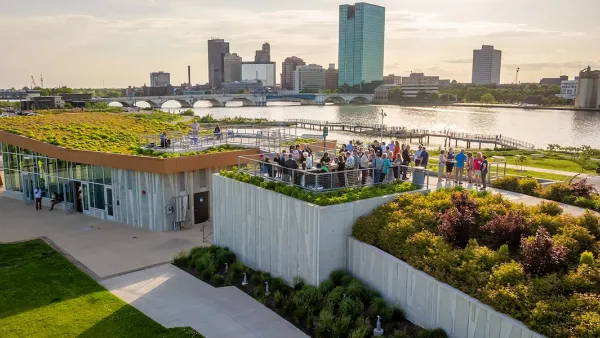
The Glass City’s Riverfront Sparkles with Promise
How Toledo is transforming its waterfront into a beloved community space.
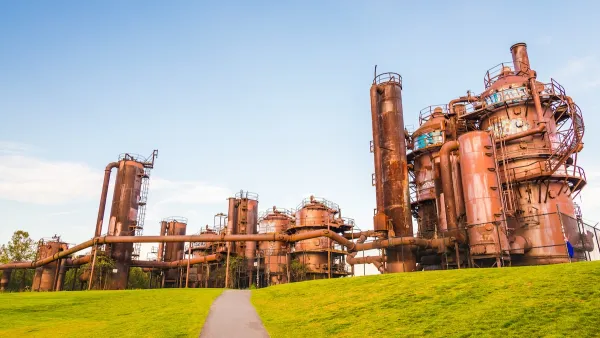
Revitalizing Cities Through Soil Health, Green Spaces, and Nature-Based Remediation
Investing in soil health, urban parks, and nature-based solutions for brownfield remediation is essential for creating resilient cities, restoring ecosystems, and improving community well-being.
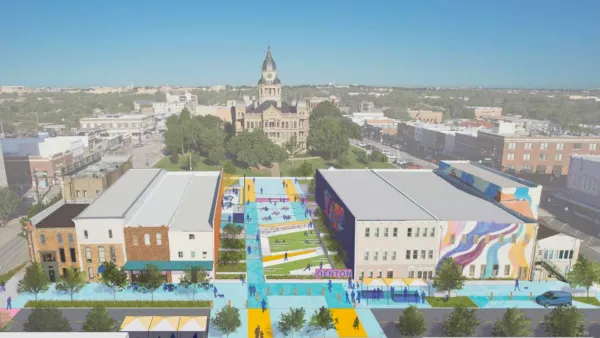
North Texas Town Launches Downtown Revitalization Plan
The Design Downtown Denton plan takes aim at improving walkability and highlighting the city’s historic assets.

Planetizen Federal Action Tracker
A weekly monitor of how Trump’s orders and actions are impacting planners and planning in America.

Amtrak, CN end decades-long dispute with eight-year agreement
The new operating agreement establishes an updated framework for the companies to work together, including processes to resolve disputes.

Northwest rail fans eager for Sept. 30 debut of Amtrak’s Airo fleet
Get ready for that new train smell and more seats. But they won’t go faster or run more frequently on the Cascades route in Washington and Oregon.

Trump administration unlawfully slashed $7 billion in clean energy grants, judge rules
The Environmental Protection Agency ended the Solar For All program, which provided the grants, after President Donald Trump’s inauguration.

Record-breaking wildlife overpass in Colorado brings 91% reduction in animal collisions
Prior to the overpass, vehicles were hitting one deer per day on Colorado’s Interstate 25.

California lawmakers approve just 5% of much-needed LA28 transportation funding
State legislators appear just as unwilling as Trump to pay for Olympics-related transportation projects.

FREE Course: Walkable City 1: Why Walkability?
After describing his path towards focusing on walkability as the essence of good planning, Jeff Speck marches through his five principal reasons for making more walkable places.
Reinventing Malls: Planning Alchemy—Turning Gray Fields Into Gold
The course focuses on the opportunities and imperatives that shape reinvention of mall sites.

City of Thousand Oaks
City of Wisconsin Rapids
Harvard University Graduate School of Design
The Architects Foundation
University of Cincinnati Online
The Pocatello Development Authority
The Urban Renewal Agency of the City of Pocatello