Pilgrimages to holy sites around the world have caused large amounts of waste and pollution because of the large amount of people gathering together for one event and consumeristic habits, writes George Webster for CNN


Last year during the Hajj in Mecca, researchers at the UK-based Faith Regen Foundation found that 100 million plastic water bottles were dumped by pilgrims.
"According to Ahmed, the problem is both practical and cultural. While she is eager for local authorities in Mecca to introduce energy-saving measures, like solar-powered mosques and low-carbon transport initiatives, she says that pilgrims must also become more conscious of their surroundings."
The Green Pilgrimage Network, which started last week, hopes to partner with at least 300 cities in the next two years to make the events more conscious of the environment.
"Launched last week in the sacred Catholic city of Assisi in Italy, the network comprises 12 founding member cities, including Amritsar in India, where they have pledged to provide clean drinking water for Sikh pilgrims traveling to the Golden Temple there; and in St. Albans in the UK, the Church of England says it will install solar panels on the local cathedral."
Read the full story: Holy cities face threat from polluting pilgrims

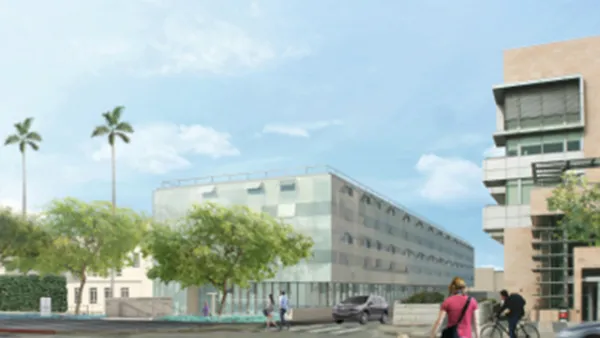
Santa Monica Designs Greenest Municipal Building in the World
Amber Richane, Project Manager for the city of Santa Monica's new City Services Building, on the city's commitment to building the world's most sustainable public building.

San Francisco Enacts Plastic Water Bottle Ban
First came plastic bags, then styrofoam cups, and now, plastic water bottles—though the ban is not as far-reaching as the former two in that it is restricted to sales on city property, including street fairs.
China's Cities Hold the Key to the World's Future
In a globalized world, China's economic, environmental and urban development has implications for us all, posits Henry M. Paulson Jr. The problems the country faces, and any potential solutions, revolve around its approach to urbanization.

Planetizen Federal Action Tracker
A weekly monitor of how Trump’s orders and actions are impacting planners and planning in America.

Amtrak, CN end decades-long dispute with eight-year agreement
The new operating agreement establishes an updated framework for the companies to work together, including processes to resolve disputes.

Judges permit Denver to divert 77,000 acre feet from the Colorado River for reservoir expansion
Overuse and climate change have caused the Colorado River’s water levels to plummet.

Maryland local governments examine if they should have more power to raise property taxes
Maryland’s housing market is out of reach for the majority of moderate-income residents.

Northwest rail fans eager for Sept. 30 debut of Amtrak’s Airo fleet
Get ready for that new train smell and more seats. But they won’t go faster or run more frequently on the Cascades route in Washington and Oregon.

NYC DOT wants faster, more permanent street upgrades
The city is examining ways to build more concrete infrastructure without getting entangled in 'decades-long' projects.

FREE Course: Walkable City 1: Why Walkability?
After describing his path towards focusing on walkability as the essence of good planning, Jeff Speck marches through his five principal reasons for making more walkable places.
Reinventing Malls: Planning Alchemy—Turning Gray Fields Into Gold
The course focuses on the opportunities and imperatives that shape reinvention of mall sites.

Harvard University Graduate School of Design
KFH Group Inc.
Greater Baltimore Committee
The Architects Foundation
University of Cincinnati Online
The Pocatello Development Authority
The Urban Renewal Agency of the City of Pocatello