Drawing from lessons learned by a Seattle-based economic development organization working in Africa, Chuck Wolfe notes that "[s]ometimes, finding a way to keep a meaningful rural existence trumps city life."


Wolfe interviews the founders of Lumana, a Seattle-based organization started by young, multi-national entrepreneurs. In Ghana, Lumana facilitates community economic development that increases opportunities for rural Ghanaians and makes it easier for them to thrive in the villages they choose to call home. With a rural village focus, the city takes a background role.
According to Lumana's Director of Programs, Cole Hoover:
"Although there is an amazing potential for growth and innovation in cities and urban areas in Africa, I think it is important to recognize that it's not for everyone. Many people do not have the resources or connections to migrate to cities and some, quite frankly, even when possible, do not want to do so...[m]any young people are not rushing to the cities because they want to, but because it is their only option."
Ironically, Hoover notes, "many are looking for ways to advance their careers, become educated and then return to the rural communities they love best."
Wolfe concludes: "Sitting with Lumana representatives back home in Seattle, I could only wonder whether recent emphasis on cities risks losing sight of universal principles, easily forgotten in an all too competitive world".
Thanks to Chuck Wolfe
Read the full story: should the 'creative class' be more rural in the developing world?

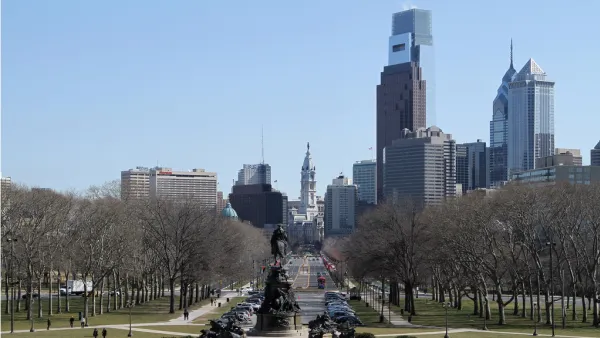
Philadelphia's New Arrivals Are Unapologetic Gentrifiers
As the new arrivals—young, mostly white urbanites—have descended into some of Philadelphia's working class and immigrant neighborhoods, the push back by locals has been met with a push back by the gentrifiers.
Report Finds Surging City Center Job Growth
For half a century, suburbs surpassed city centers in population and job growth. These economic and demographic trends appear to be reversing. America's cities have grown faster than outlying areas and new research that jobs are coming with them.
Maximizing the Economic Potential of American Cities
Inspired by three books published in the last year that help to elucidate the role of cities and density in making people and countries richer, Ezra Klein compiles some lessons for economic development in the United States.

Planetizen Federal Action Tracker
A weekly monitor of how Trump’s orders and actions are impacting planners and planning in America.

California plans to bury El Niño’s downpour
If the state plays its cards right, it may be able to store a billion acre-feet of El Niño’s water in aquifers.

Desperate measures: Advocates weigh draining Lake Powell to fill Colorado River
Draining the reservoir could reduce evaporation losses by a couple hundred thousand acre-feet.

How a Chicago-sized wind farm beat the odds and powered on
The project spanned five presidential administrations and a standoff with a U.S. military base.

MTA gives itself 30 days to transform pit into basketball court
The site has been under construction since 2022; the city originally estimated it would finish the court in 2024.

Non-stop party: Chicago voters weigh permanent festival grounds
A stable place for bleachers, stages and drainage may streamline the setup and teardown of large events.

FREE Course: Walkable City 1: Why Walkability?
After describing his path towards focusing on walkability as the essence of good planning, Jeff Speck marches through his five principal reasons for making more walkable places.
Reinventing Malls: Planning Alchemy—Turning Gray Fields Into Gold
The course focuses on the opportunities and imperatives that shape reinvention of mall sites.

City of Rosemead
Rutgers University, Edward J. Bloustein School of Planning and Public Policy
One Hundred Miles
Hunter College, City University of New York (CUNY)
The Architects Foundation
University of Cincinnati Online
City of Cambridge
Montrose County
The Pocatello Development Authority