Portland, Oregon is already known for having a strict policy regarding its urban growth boundary. A new 50-year plan designates large rural reserves, while also holding large areas as urban reserves for possible future development.


The state Land Conservation and Development Commission approved the bill late last week with little controversy. Eric Mortenson of The Oregonian says that the plan was developed in concert with Metro, the regional transportation agency, and..
"...was intended to replace the bitter arguments that erupt every five years when Metro expands the urban growth boundary. By establishing reserves, the region makes it clear where growth will occur and how land will be used for decades to come.
Backers of the idea say it allows cities, school districts and utilities to make infrastructure decisions."
Read the full story: Metro area's 50-year growth plan wins state approval; designates urban and rural 'reserves'

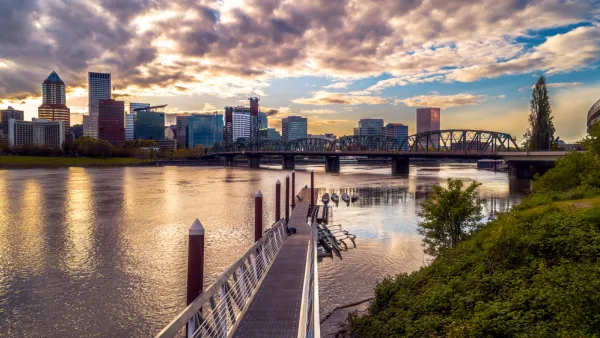
Planning Director Susan Anderson Separates Fact from Fiction in Portland(ia)
Planetizen's "Planners Across America" series continues in the city that put many contemporary best planning practices on the map: Portland, Oregon.
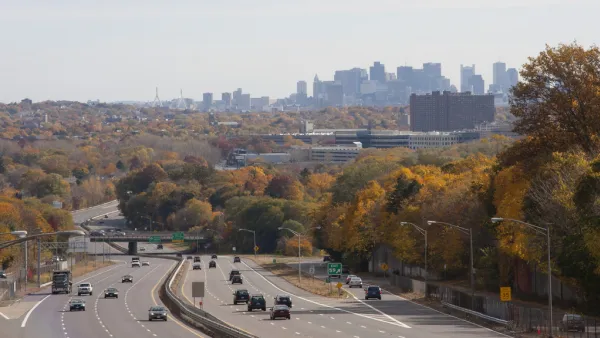
If Housing Affordability Is Top Concern, Let Metro Regions Sprawl
Research from BuildZoom, a San Francisco-based contractors' website, shows that housing affordability increases with a region's ability to build outwards, as opposed to upwards. Densification largely has not accompanied efforts to curb sprawl.
Cortright: Oregon Legislation Would Make Housing Affordability Worse
Inclusionary zoning and weakened urban growth boundaries are not effective tools for reducing the price of housing. Joe Cortright of City Observatory suggests ending parking requirements instead.

Planetizen Federal Action Tracker
A weekly monitor of how Trump’s orders and actions are impacting planners and planning in America.

Amtrak, CN end decades-long dispute with eight-year agreement
The new operating agreement establishes an updated framework for the companies to work together, including processes to resolve disputes.

Northwest rail fans eager for Sept. 30 debut of Amtrak’s Airo fleet
Get ready for that new train smell and more seats. But they won’t go faster or run more frequently on the Cascades route in Washington and Oregon.

Pittsburg launches 'EZ permits,' aims for one-day turnaround for low-risk permits
The pilot ‘fast lane’ for permits is part of a bundle of modernization efforts for Pittsburg’s permitting process.

Eating, littering on Singapore buses now a fineable offense
Passengers who put other riders in danger may be charged thousands of Singapore dollars.

This rural Oklahoma town doesn’t want a data center. It may not be able to stop the project
With the project outside city limits and little county oversight of unincorporated land, officials are considering measures to gain local control.

FREE Course: Walkable City 1: Why Walkability?
After describing his path towards focusing on walkability as the essence of good planning, Jeff Speck marches through his five principal reasons for making more walkable places.
Reinventing Malls: Planning Alchemy—Turning Gray Fields Into Gold
The course focuses on the opportunities and imperatives that shape reinvention of mall sites.

City of Thousand Oaks
City of Wisconsin Rapids
Harvard University Graduate School of Design
The Architects Foundation
University of Cincinnati Online
The Pocatello Development Authority
The Urban Renewal Agency of the City of Pocatello