Buildings in Seattle, including a school, are trying to remove themselves from the urban water grid. More could soon follow.


Through different techniques that reuse water and process wastewater on site, some buildings in the city are removing themselves form the water grid.
"Plenty of "green" buildings strive to generate as much energy as they use, but Bertschi School's new science building is one of dozens nationwide taking it a step further. They're attempting to unplug from the municipal water and sewer system to collect, recycle and reuse water and wastewater on site, a concept often referred to as net zero water.
The U.S. Army has a goal for several installations to reach zero water, energy and waste use, and this week it designated Fort Riley in Kansas, Camp Rilea in Oregon and Joint Base Lewis-McChord in Washington, among others, to be net zero water. It also named other installations to strive for net zero use for energy and waste."
Read the full story: Urban buildings unplug from water grid

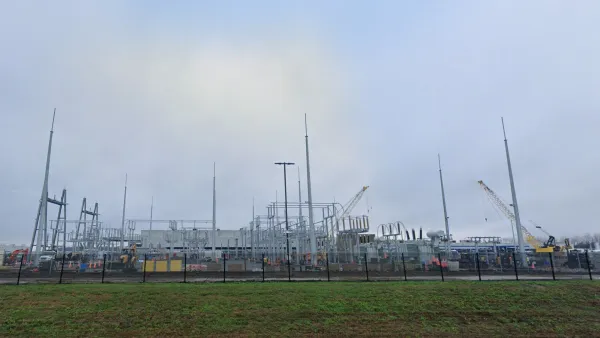
Memphis Data Center Will Harness Wastewater for Cooling
The xAI-owned Colossus facility uses as much water as 10,000 households.
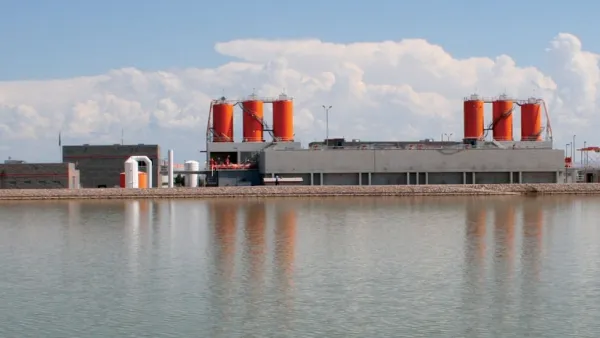
El Paso Wastewater Purification Facility Breaks Ground
As water supplies become strained and technology advances, cities look to wastewater as a viable source of drinking water.
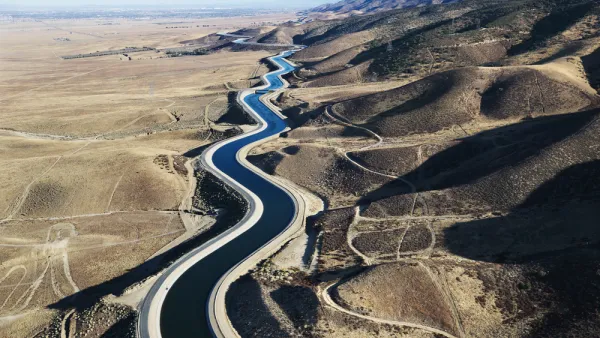
California Governor Outlines Plan for a ‘Hotter, Drier Future’
With California’s water supply expected to drop by 10 percent in the next two decades, Governor Newsom’s strategy calls for conservation and increased investment in water collection, storage, and desalination infrastructure.

Planetizen Federal Action Tracker
A weekly monitor of how Trump’s orders and actions are impacting planners and planning in America.

Amtrak, CN end decades-long dispute with eight-year agreement
The new operating agreement establishes an updated framework for the companies to work together, including processes to resolve disputes.

Judges permit Denver to divert 77,000 acre feet from the Colorado River for reservoir expansion
Overuse and climate change have caused the Colorado River’s water levels to plummet.

NYC DOT wants faster, more permanent street upgrades
The city is examining ways to build more concrete infrastructure without getting entangled in 'decades-long' projects.

'Something we’ve never seen before:' rising utility rates could strain city finances nationwide
Data centers, climate change and other factors have caused utility rates in the United States to increase by 38% since 2020.

Trump to overrule local leaders, lease millions of acres of America’s Pacific Island territories’ seafloors to mining companies
International law says that the Indigenous people of America’s territories have a right to prior and informed consent regarding projects that impact their countries.

FREE Course: Walkable City 1: Why Walkability?
After describing his path towards focusing on walkability as the essence of good planning, Jeff Speck marches through his five principal reasons for making more walkable places.
Reinventing Malls: Planning Alchemy—Turning Gray Fields Into Gold
The course focuses on the opportunities and imperatives that shape reinvention of mall sites.

Harvard University Graduate School of Design
KFH Group Inc.
Greater Baltimore Committee
The Architects Foundation
University of Cincinnati Online
The Pocatello Development Authority
The Urban Renewal Agency of the City of Pocatello