The plans for the newly-opened Brooklyn Bridge Park included a 150-room hotel and two 30-story to 40-story condos buildings, which planners say were necessary to make the project pencil out. As construction nears, some locals are upset at the plans.


With tensions mounting over the condos, a study was undertaken to determine whether the park could survive without the added revenue of the condos and hotel. Without the new development, the project would require $16 million in additional funding, which the report concluded wasn't possible:
"The report came out on February 22 and the alternatives included establishing a Park Improvement District. Other options included fee-based recreation and event facilities, concessions, commercial real estate, sponsorships, increased parking revenues, and grants. The report said the alternative options could bring in about $2.5 million to $7 million, far short of the $16 million needed."
Read the full story: Bad Implants in Brooklyn

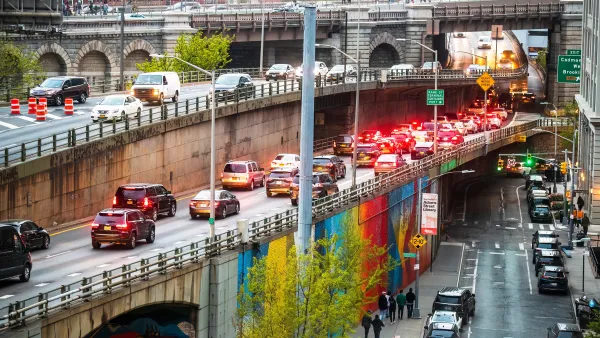
NYC to erect ‘temporary highway’ while rebuilding crumbling BQE
The city estimates it will spend $4 billion on the renovated expressway, which will reopen by 2040.
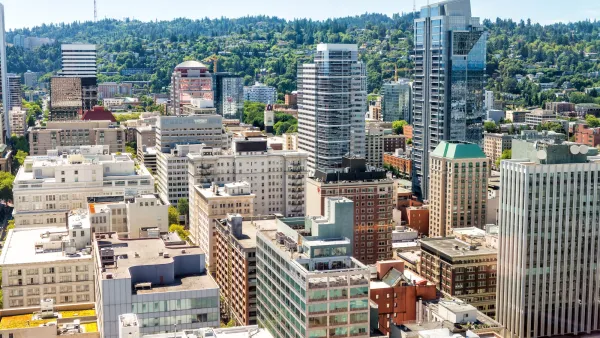
Portland Affordable Condo Project Offers a Path to Homeownership, but is it a Long-term Solution?
The project's affordability currently rests on temporary subsidies and market goodwill. For tenants who can’t buy—and future buyers looking for affordability—the risks are significant.
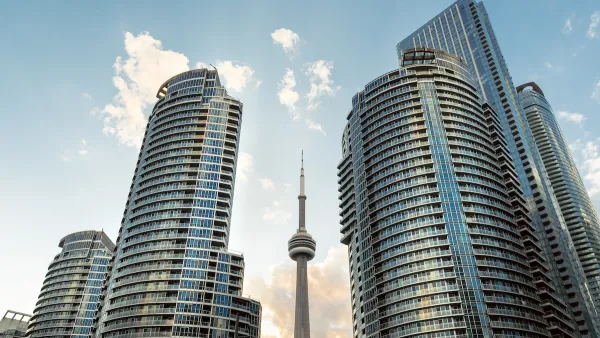
Toronto Condo Sales Drop 75%
In two of Canada’s most expensive cities, more condos were built than ever — and sales are plummeting.

Planetizen Federal Action Tracker
A weekly monitor of how Trump’s orders and actions are impacting planners and planning in America.

Amtrak, CN end decades-long dispute with eight-year agreement
The new operating agreement establishes an updated framework for the companies to work together, including processes to resolve disputes.

Northwest rail fans eager for Sept. 30 debut of Amtrak’s Airo fleet
Get ready for that new train smell and more seats. But they won’t go faster or run more frequently on the Cascades route in Washington and Oregon.

If Corpus Christi can’t revive desalination plant project, it may owe Texas $235 million
Earlier this month, city officials declined to pursue developing the plant for the second time in a year.

Brightline Florida expected to file for bankruptcy this week
The transit agency is over $5 billion in debt.

Atlanta City Council unanimously backs $3.5 billion Beltline light rail project
The resolution was drafted after Atlanta Mayor Andre Dickens pulled support for the Atlanta Streetcar extension last year.

FREE Course: Walkable City 1: Why Walkability?
After describing his path towards focusing on walkability as the essence of good planning, Jeff Speck marches through his five principal reasons for making more walkable places.
Reinventing Malls: Planning Alchemy—Turning Gray Fields Into Gold
The course focuses on the opportunities and imperatives that shape reinvention of mall sites.

City of Thousand Oaks
City of Wisconsin Rapids
Harvard University Graduate School of Design
The Architects Foundation
University of Cincinnati Online
The Pocatello Development Authority
The Urban Renewal Agency of the City of Pocatello