The Seattle City Council is considering allowing buildings of up to 150 ft. in parts of the historic Pioneer Square neighborhood. Some say the scale is out of character; others say, not high enough!


The Downtown Seattle Association is pushing for greater heights, aiming for 180 ft., saying that the area needs a serious injection of population to boost its economic engine.
Meanwhile, preservationists fear that the density will cause neglect to the historic buildings in the neighborhood. Developers point to Portland's Pearl District as an example of a community that added density without destroying the historic character of the area:
"Preservationists agree that Pioneer Square needs more housing to bolster the struggling business district. One of its biggest draws, The Elliott Bay Book Company, departed last year for the trendier, and busier, Pike-Pine corridor.
But those charged with protecting the historic legacy worry that 18-story buildings would be out of scale with the 19th-century Romanesque facades that make up the historic district."
Read the full story: Pioneer Square: Historic character vs. height

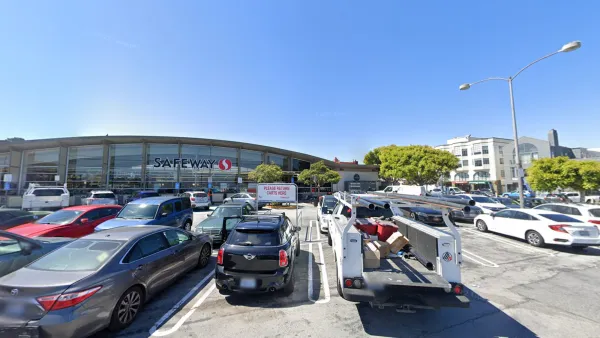
Debate over proposed 800-unit tower in San Francisco reveals generational divide in the housing crisis
Residents of the Marina District are up in arms over a proposed housing development above a Safeway store.
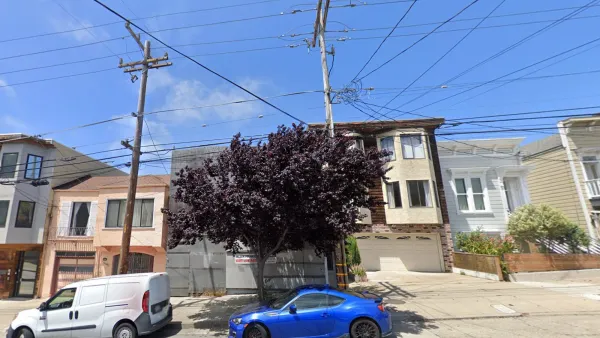
8-story tower is San Francisco's first project approved under new upzoning rules
Some neighbors call the project out of scale for the area, which has not grown beyond two- and three-story buildings in decades.

Boston Approves 700 ft Tall Buildings Downtown
A new rezoning plan raises height limits in some areas for buildings that are mostly residential.

Planetizen Federal Action Tracker
A weekly monitor of how Trump’s orders and actions are impacting planners and planning in America.

The state-sanctioned urbicide of Austin
People don’t kill cities. Freeways do.

Colorado’s Largest Data Center Could Rise Next to Homes — Without a Public Hearing
The proposed campus would consume 11 times the power of Denver International Airport; as it has across the country, opposition mounts.

Judges permit Denver to divert 77,000 acre feet from the Colorado River for reservoir expansion
Overuse and climate change have caused the Colorado River’s water levels to plummet.

Amtrak, CN end decades-long dispute with eight-year agreement
The new operating agreement establishes an updated framework for the companies to work together, including processes to resolve disputes.

Raised interest rates may kill financially vulnerable construction projects
The chief economist at ConstructConnect warns that if construction project owners are negatively impacted by the raised rates, it could result in delayed payments to contractors.

FREE Course: Walkable City 1: Why Walkability?
After describing his path towards focusing on walkability as the essence of good planning, Jeff Speck marches through his five principal reasons for making more walkable places.
Reinventing Malls: Planning Alchemy—Turning Gray Fields Into Gold
The course focuses on the opportunities and imperatives that shape reinvention of mall sites.

KFH Group Inc.
Greater Baltimore Committee
Eagle County Government
The Architects Foundation
University of Cincinnati Online
The Pocatello Development Authority
The Urban Renewal Agency of the City of Pocatello