With high development occurring in India, new mapping technologies can greatly help smart growth in the burgeoning country.


"This evolution in mapping has the potential to influence a much more significant and democratic process of urban design. Municipal agencies could collaborate with design professionals in establishing a simple and transparent process of uploading all upcoming urban design proposals onto dedicated websites.
Using satellite maps of Indian cities as a base, and layering proposed civic projects–new transport links, restoration and conservation of historic neighborhoods, landscape proposals for parks, changes in land use and zoning–over them, would enable a deeper understanding of the planning process. If coordinated efficiently among various stakeholders, this evolving documentation might reduce the redundancy of successive excavations of the same streets by the plethora of civic agencies."
Read the full story: Urban Journal: Mapping the City
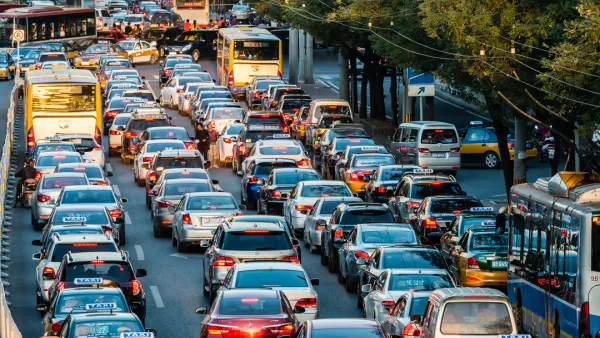
Cities Have Tried to Rein in Cars, and the Results Have Been Mixed
Vehicle pollution is making cities around the world unlivable. Some cities have taken steps to curb auto use and emissions, with varying levels of success.
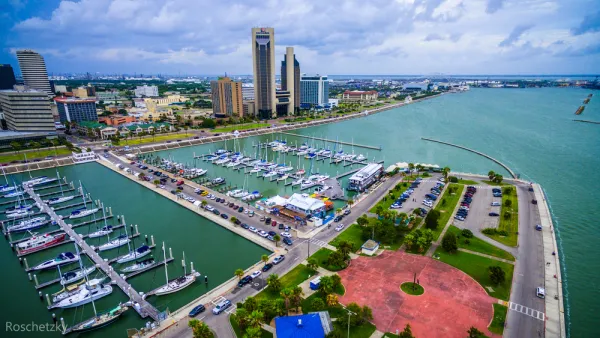
Visualizing Worst-Case Scenario Sea Level Rise on the Texas Coast
Much of the state political leadership in Texas has been slow to accept the existence of climate change, much less the role of the state's economy, land use, and infrastructure planning in exacerbating the crisis. Maybe this will help wake them up?
Smog So Bad United Airlines Won't Fly There
It's not the poor visibility but the air quality, ten times worse than Beijing, that has caused the airline to stop flying to New Delhi.

Planetizen Federal Action Tracker
A weekly monitor of how Trump’s orders and actions are impacting planners and planning in America.

California plans to bury El Niño’s downpour
If the state plays its cards right, it may be able to store a billion acre-feet of El Niño’s water in aquifers.

Desperate measures: Advocates weigh draining Lake Powell to fill Colorado River
Draining the reservoir could reduce evaporation losses by a couple hundred thousand acre-feet.

Chicago voters approve permanent festival grounds, penalty for vacant property owners
Currently, major summer and fall festivals take over public parks for weeks at a time, drawing criticism from nearby residents

NYC votes to cut outdoor dining red tape, speed up permitting
New York City also voted to allow the Department of Transportation to begin work on urgent projects before notifying elected officials.

California appears to reject Prop. 45
The proposition would have expanded the projects that qualify for a streamlined environmental review, effectively paring down the California Environmental Quality Act.

FREE Course: Walkable City 1: Why Walkability?
After describing his path towards focusing on walkability as the essence of good planning, Jeff Speck marches through his five principal reasons for making more walkable places.
Reinventing Malls: Planning Alchemy—Turning Gray Fields Into Gold
The course focuses on the opportunities and imperatives that shape reinvention of mall sites.

City of Rosemead
Rutgers University, Edward J. Bloustein School of Planning and Public Policy
One Hundred Miles
Hunter College, City University of New York (CUNY)
The Architects Foundation
University of Cincinnati Online
City of Cambridge
Montrose County
The Pocatello Development Authority