As result of climate change, dwindling resources and shifting demographics, a new economic powerhouse is likely to emerge in the arctic by mid-century, according to the new book "The World in 2050".


Written by Laurence C. Smith, the book looks at the four forces that are driving major change in the economy and human lifestyle, including decreasing natural resources, demographic shifts, globalization and climate change.
"While this book is partly about such global forces, it has a more specifically geographical remit: the Arctic and the far north. These regions have been the focus of much of Smith's academic research. He has important work to his name on how Arctic ecosystems will be transformed by climate change and how this may feed back to impact the rest of the world – for instance through methane bubbling out of the melting permafrost and adding to global warming. Now he posits that the far north will become the cockpit of wider global change.
This is important. We have for decades focused our global angst around the teeming tropics. We fear that economic development there is wrecking the rainforests and releasing their carbon into the air. And we worry that the poor billions in the hottest region of the planet will suffer most from global warming. But Smith's 'thought experiment' switches to events in the high latitudes of the north."
Read the full story: The New North
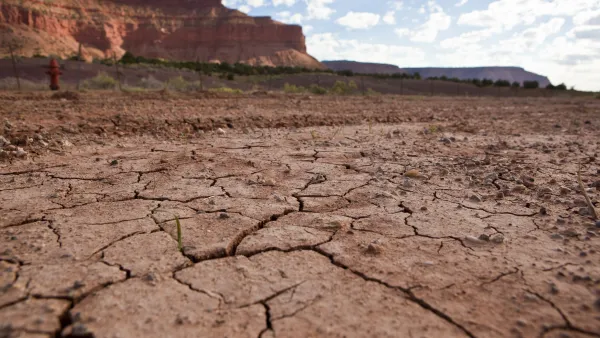
Researchers Propose the Concept of 'Anthropogenic Drought'
As climate change heightens the risk of intense drought periods, a new framework can help scientists better understand the interconnected causes and effects of drought.
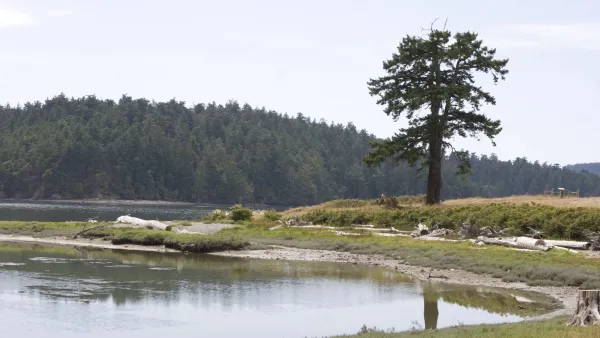
Indigenous Peoples Lead Fight Against Climate Change
Tribal communities are preparing for climate impacts by drawing on their deep understanding of the relationship between humans and the natural environment.
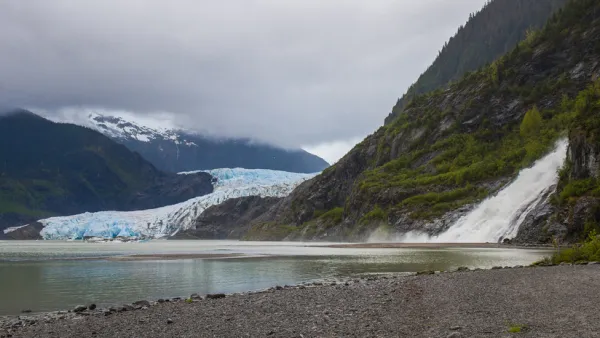
Climate Change Having Dramatic Effect on Mountains
The ecology of mountains around the world is changing as summer plants bloom earlier and forests march up hill to newly temperate ground.

Planetizen Federal Action Tracker
A weekly monitor of how Trump’s orders and actions are impacting planners and planning in America.

Eastern Nebraska is running out of electricity
Data centers and electrification are straining eastern Nebraska’s grid, throttling economic development.

Study reveals best places in the U.S. for cycling, walking
New research from Streetlight Data examines bicycle and pedestrian miles per capita in the 100 largest U.S. cities by population.

Next-generation nuclear reactors are coming to Texas
The reactors will not require towering containment structures thanks to new safety features.

California distributes $1.3 billion to prevent transit service cuts, bolster projects
Twenty-eight projects across California received a portion of the funding.

Pennsylvania Democrats have 15 affordability, clean energy bills for flipped state Senate
Bills in consideration include a bill supporting geothermal energy and a bill supporting solar on warehouses.

FREE Course: Walkable City 1: Why Walkability?
After describing his path towards focusing on walkability as the essence of good planning, Jeff Speck marches through his five principal reasons for making more walkable places.
Reinventing Malls: Planning Alchemy—Turning Gray Fields Into Gold
The course focuses on the opportunities and imperatives that shape reinvention of mall sites.

City of Charlotte
City of Rosemead
Rutgers University, Edward J. Bloustein School of Planning and Public Policy
University of Michigan School for Environment and Sustainability (SEAS)
Hunter College, City University of New York (CUNY)
The Architects Foundation
City of Cambridge
The Pocatello Development Authority
The Urban Renewal Agency of the City of Pocatello