Portland has five "eco-district" pilot projects in the works. The first two are expected to begin implementation over the next year, and organizers are hoping they lead to more sustainability efforts throughout the city.


It's a new take on urban renewal, with a sharper focus on neighborhood-level sustainability.
"Should the concept take hold, future development in those areas would aim to embrace all facets of sustainable development, including everything from green building and redevelopment, to low-carbon transportation options, renewable power generation and farmers markets.
'What we're trying to do with eco-districts is really trying to layer all of those strategies as a way of concentrating resources and strategies in one neighborhood' to see whether it works, said Naomi Cole, program manager of the Portland Sustainability Institute."
Read the full story: Eco-districts take center stage

Portland's EcoDistricts
Launched in 2009 as an effort to choose five neighborhoods where sustainability measures could be quickly implemented and tested out, the city of Portland's EcoDistricts are entering their pilot phase.
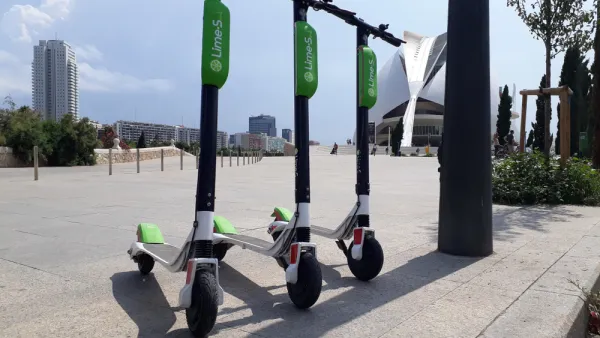
The Sustainability Challenges of E-Scooters
Scooters have helped diversify the mobility landscape, but companies need to better address the recycling and reuse process and the environmental impacts of defunct devices.
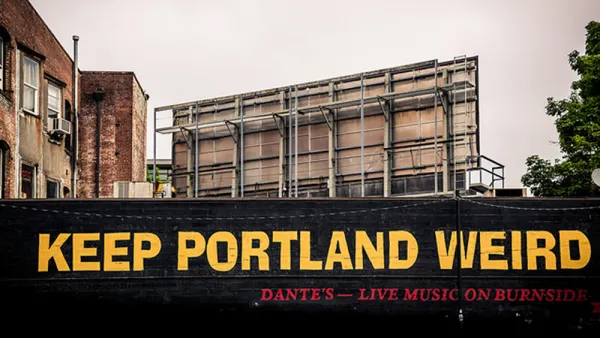
Portland's 'Community-Led Urbanism' Tackles Displacement and Sustainability
A grassroots plan seeks to cultivate a sustainable, affordable center of Black culture in the neighborhood of Albina.

Planetizen Federal Action Tracker
A weekly monitor of how Trump’s orders and actions are impacting planners and planning in America.

Amtrak, CN end decades-long dispute with eight-year agreement
The new operating agreement establishes an updated framework for the companies to work together, including processes to resolve disputes.

Northwest rail fans eager for Sept. 30 debut of Amtrak’s Airo fleet
Get ready for that new train smell and more seats. But they won’t go faster or run more frequently on the Cascades route in Washington and Oregon.

St. Louis Metro to test if single-car trains can reduce operating costs, maintain rider satisfaction
The pilot program will run from October to spring 2027, and begin with one single-car train operating on Metrolink’s Red and Blue lines.

Pennsylvania is building data centers in abandoned mines
Housing data centers in mines provides an alternative to destroying local forests and may spare residents from data centers’ noise and air pollution.

If Corpus Christi can’t revive desalination plant project, it may owe Texas $235 million
Earlier this month, city officials declined to pursue developing the plant for the second time in a year.

FREE Course: Walkable City 1: Why Walkability?
After describing his path towards focusing on walkability as the essence of good planning, Jeff Speck marches through his five principal reasons for making more walkable places.
Reinventing Malls: Planning Alchemy—Turning Gray Fields Into Gold
The course focuses on the opportunities and imperatives that shape reinvention of mall sites.

City of Thousand Oaks
City of Wisconsin Rapids
Harvard University Graduate School of Design
The Architects Foundation
University of Cincinnati Online
The Pocatello Development Authority
The Urban Renewal Agency of the City of Pocatello