As rural and urban runoff taints the waters of the Yangtze River in China, environmentalists have joined forces with Coca-Cola to try to improve water quality -- a move that's good for water users in China, and for the water-dependent business.


"To help reverse the tide, the WWF has joined forces with Coca-Cola, which operates 39 bottling plants in China, to improve the water quality of the upper reaches of the Yangtze. One project, for example, has them working with rural farmers to reduce the runoff of animal waste into the river by turning pig waste into biogas, a type of fuel that can be used for cooking and heating. Another involves searching for ways for the multinational to be more efficient in its own use of water.
The non-profit's partnership with Coca-Cola is part of a growing corporate awareness that water is a threatened resource, not just in the Yangtze but throughout the world. Companies that require a lot of water to do make their products are beginning to assess the risks that they -- and their customers -- face on the water-supply front and what could be done to mitigate them."
Coca-Cola has teamed with the World Wildlife Foundation to clean up 6 of the other 10 worst polluted rivers in the world.
Read the full story: Coca-Cola on the Yangtze: A Corporate Campaign for Clean Water in China

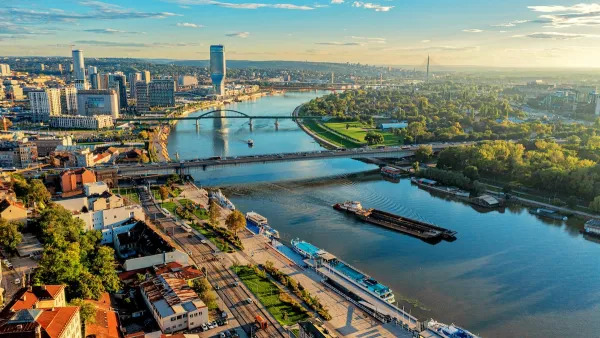
Report: European Rivers Are in Trouble
Some of the continent’s most important rivers are suffering from overuse and pollution.
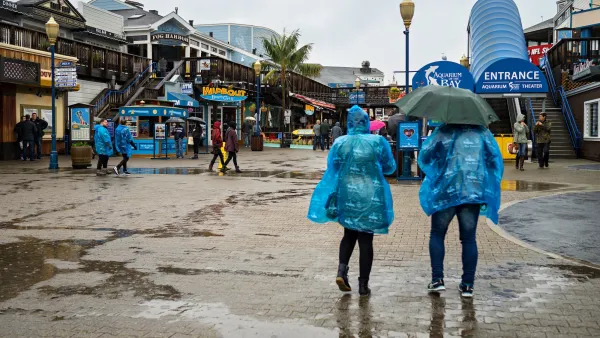
Rain gardens keep up to 99% of pollutants out of San Francisco Bay
The city's roadside rain gardens soak up stormwater and filter out dozens of harmful micropollutants.
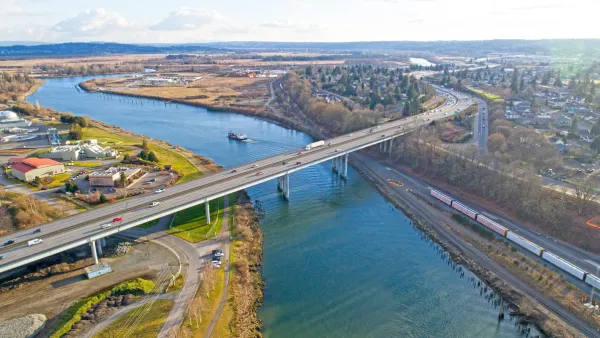
Snohomish River Gains Legal Rights
A new law in one Washington town enshrines the river’s legal right to “exist, regenerate, and flourish.”

Planetizen Federal Action Tracker
A weekly monitor of how Trump’s orders and actions are impacting planners and planning in America.

Chicago breaks ground on $3 billion megadevelopment
The new neighborhood, titled Foundry Park, will one day host 3,700 residences.

This MA town is drowning in its own sewage — and residents like it that way
Susan Murcott, a waste water expert, said if Carlisle didn't address their leaking sewage, the problem could turn “deadly.”

Iowa taxpayers are paying thousands to clean manure out of their water
While the Clean Water Act makes states responsible for regulating factory farms that discharge pollutants, Iowa has turned a blind eye to the polluting farms.

Amtrak cuts ribbon on Seattle Airo maintenance facility
The $250 million, nearly 100,000-square-foot building can house an entire Cascades Airo trainset.

To power data centers, Google seeks autonomous control of thousands of homes’ electricity
The tech company has signed a deal to indirectly pay Mid-Atlantic residents to reduce their power demand when the grid is strained.

FREE Course: Walkable City 1: Why Walkability?
After describing his path towards focusing on walkability as the essence of good planning, Jeff Speck marches through his five principal reasons for making more walkable places.
Reinventing Malls: Planning Alchemy—Turning Gray Fields Into Gold
The course focuses on the opportunities and imperatives that shape reinvention of mall sites.

City of Rosemead
Rutgers University, Edward J. Bloustein School of Planning and Public Policy
One Hundred Miles
The Architects Foundation
University of Cincinnati Online
Montrose County
The Pocatello Development Authority
The Urban Renewal Agency of the City of Pocatello