The White House has distributed less than a third of the nearly $230 billion set aside for big infrastructure projects, prompting criticism from Republicans.


$182 billion of the $230 billion has been awarded to projects across the country, but only $66 billion has been paid out.
"The administration has said that stimulus spending was always intended to roll out in stages, over two years, and that the pace of outlays for infrastructure would be slower than for parts of the package that provided tax cuts and subsidies for programs such as Medicaid.
White House economist Jared Bernstein, in an Aug. 11 blog post, said that when Republicans call for a halt to stimulus spending, 'they're essentially talking about taking away middle-class tax cuts, leaving unemployed workers unexpectedly high and dry without an unemployment check, halting road and bridge projects and leaving them unfinished, leaving contractors unpaid for the work they've already done and more.'"
Read the full story: White House Under Fire for Unspent Infrastructure Cash

Candidate's Plans to Return Stimulus Rail Money May Not Work
A gubernatorial candidate in Wisconsin has made a campaign pledge to turn down federal money intended to build a high speed rail route connecting Milwaukee and Wisconsin. But some say he won't be able to do it.
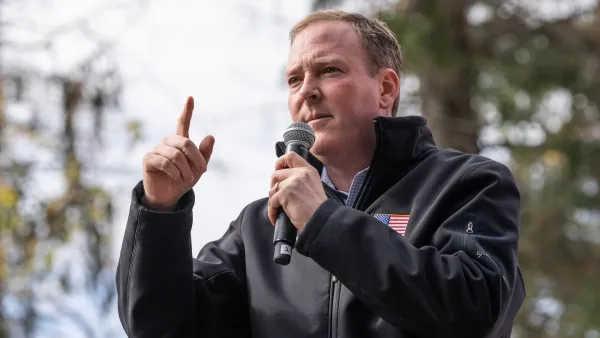
Court unfreezes $20B in federal climate grants
A U.S. Court of Appeals ruled that the Trump administration potentially violated the Inflation Reduction Act by attempting to claw back grants awarded under the Greenhouse Gas Reduction Fund program.

Philadelphia lawmakers fight to save 'Chinatown Stitch' from Trump cuts
The freeway cap project, approved and funded under the Biden administration, is now in jeopardy after the federal government rescinded all but $8 million in funding.

Planetizen Federal Action Tracker
A weekly monitor of how Trump’s orders and actions are impacting planners and planning in America.

The state-sanctioned urbicide of Austin
People don’t kill cities. Freeways do.

Colorado’s Largest Data Center Could Rise Next to Homes — Without a Public Hearing
The proposed campus would consume 11 times the power of Denver International Airport; as it has across the country, opposition mounts.

Amtrak, CN end decades-long dispute with eight-year agreement
The new operating agreement establishes an updated framework for the companies to work together, including processes to resolve disputes.
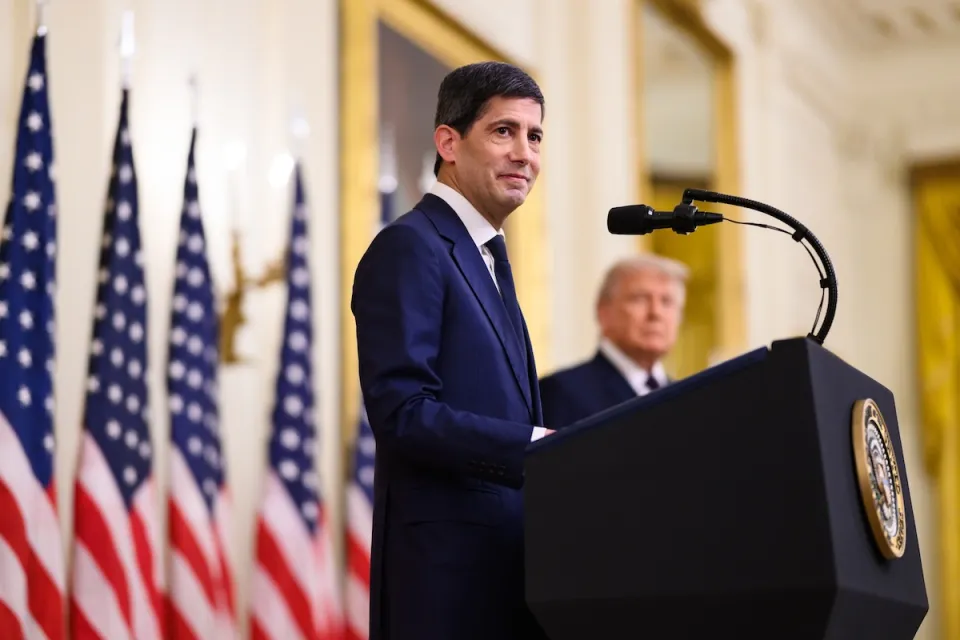
Raised interest rates may kill financially vulnerable construction projects
The chief economist at ConstructConnect warns that if construction project owners are negatively impacted by the raised rates, it could result in delayed payments to contractors.
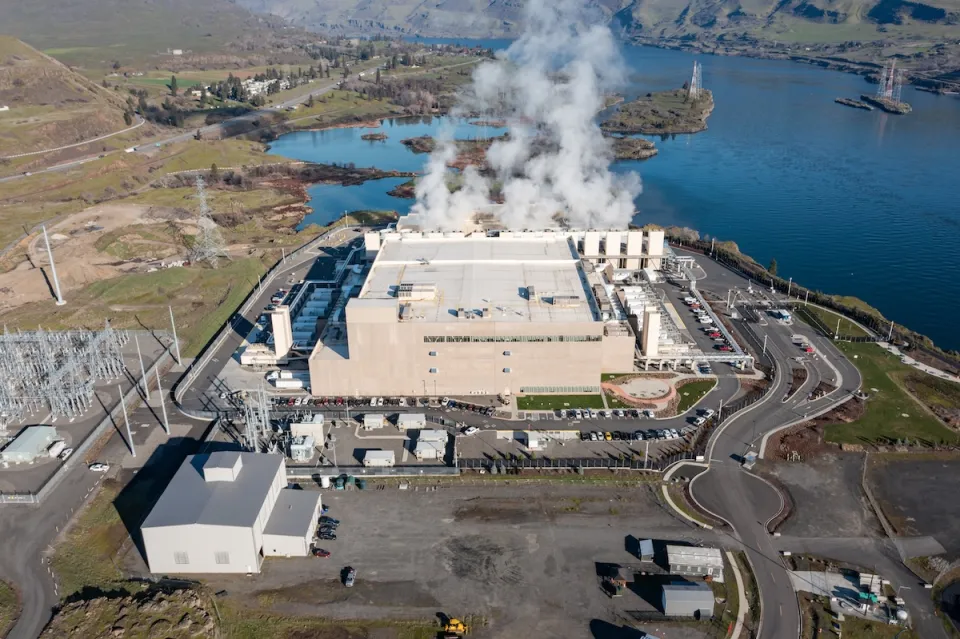
Data centers are consuming nearly 25% of Oregon’s power
The state has 111 data centers, with 32 more either planned or under construction.

FREE Course: Walkable City 1: Why Walkability?
After describing his path towards focusing on walkability as the essence of good planning, Jeff Speck marches through his five principal reasons for making more walkable places.
Reinventing Malls: Planning Alchemy—Turning Gray Fields Into Gold
The course focuses on the opportunities and imperatives that shape reinvention of mall sites.

Greater Baltimore Committee
Eagle County Government
Harvard University Graduate School of Design
The Architects Foundation
University of Cincinnati Online
The Pocatello Development Authority
The Urban Renewal Agency of the City of Pocatello
Journal of the American Planning Association