Adam Meyer, an architects practicing in Chengdu, scrutinizes some of the myths and projections surrounding China's rapid economic growth which have become so popular in the last half decade.


Meyer finds that "whereas the U.S. was built upon the backs of immigrants from outside of its borders, China's development owes its current success to its own huge population."
He rejects the notion that increased prosperity will bring about a democratic shift in Chinese governance. He finds that "citizens are too busy hustling to make money to be concerned with such matters." Similarly, he believes that the real estate bubble shows little signs of bursting because China's smaller cities will still power growth even when the tier one metropolises like Beijing and Shanghai begin to slow.
Read the full story: Distilling China's Development
The Best Journalism About Cities in 2011
From Braddock, Pennsylvania to Beijing, Nate Berg offers his favorite articles about cities published in 2011.
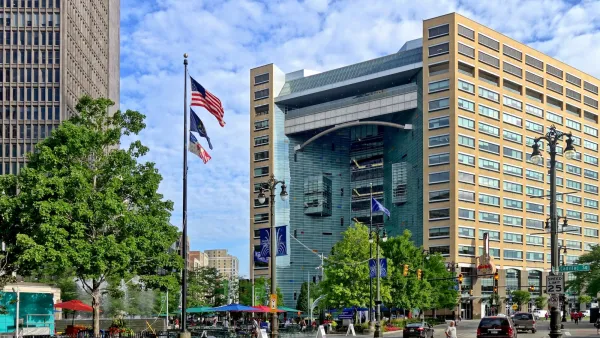
The nation's 10 'stickiest' downtowns
How often do residents visit your downtown?
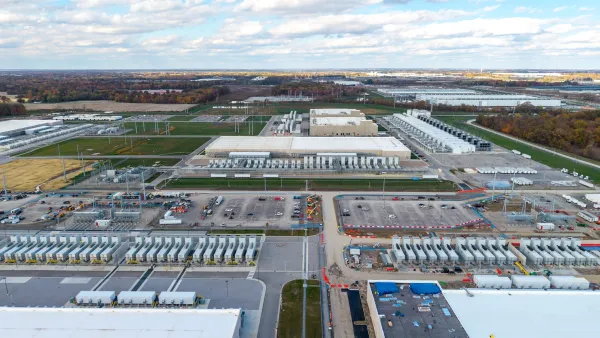
After the servers go dark
The rise and fall of communities with decommissioned nuclear facilities hold critical lessons for those considering hosting data centers.

Planetizen Federal Action Tracker
A weekly monitor of how Trump’s orders and actions are impacting planners and planning in America.

California plans to bury El Niño’s downpour
If the state plays its cards right, it may be able to store a billion acre-feet of El Niño’s water in aquifers.

Desperate measures: Advocates weigh draining Lake Powell to fill Colorado River
Draining the reservoir could reduce evaporation losses by a couple hundred thousand acre-feet.

In Texas, data centers are swallowing promised parkland
Residents who moved to Taylor, Texas for a rural community now have to contend with three data centers in their backyard.

How a Chicago-sized wind farm beat the odds and powered on
The project spanned five presidential administrations and a standoff with a U.S. military base.

MTA gives itself 30 days to transform pit into basketball court
The site has been under construction since 2022; the city originally estimated it would finish the court in 2024.

FREE Course: Walkable City 1: Why Walkability?
After describing his path towards focusing on walkability as the essence of good planning, Jeff Speck marches through his five principal reasons for making more walkable places.
Reinventing Malls: Planning Alchemy—Turning Gray Fields Into Gold
The course focuses on the opportunities and imperatives that shape reinvention of mall sites.

City of Rosemead
Rutgers University, Edward J. Bloustein School of Planning and Public Policy
One Hundred Miles
Hunter College, City University of New York (CUNY)
The Architects Foundation
University of Cincinnati Online
City of Cambridge
Montrose County
The Pocatello Development Authority